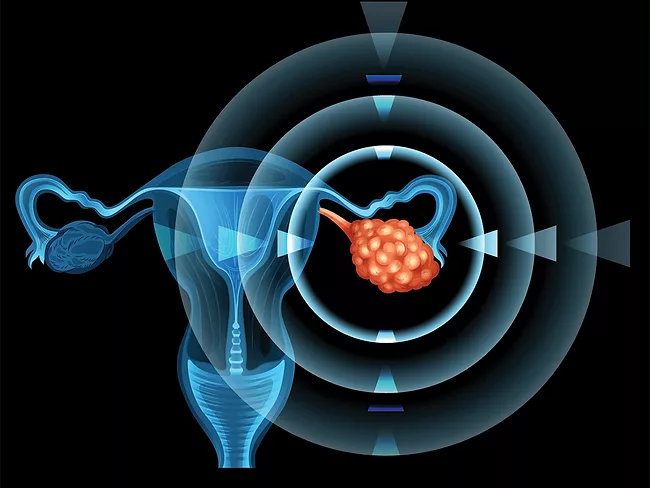
PMV Pharmaceuticals Inc.’s rezatapopt yielded impressive overall response data in ovarian cancer, prompting the firm to aim for a potential accelerated approval filing in early 2027. The news caused the firm’s stock (NASDAQ:PMV) to jump in premarket trading, but shares ended the day at $1.27, down 20%, as investors signaled they are clearly holding out for further data confirming broader market potential for the p53-targeting small molecule.
Loss-of-function variants in the ELP1 gene are the most prevalent predisposing genetic factors in childhood medulloblastoma, accounting for about 30% of sonic hedgehog medulloblastoma (SHH-3 subtype).
Researchers from Walter and Eliza Hall Institute of Medical Research, The University of Melbourne and affiliated organizations presented the development of a new reporter mouse model designed to study the role of MDM2 and its transcriptional regulation in p53-mediated tumor suppression.
Lamassu Biotech Inc. has announced that its IND for SA53-OS has been cleared by the FDA in the U.S. The planned phase I/IIa trials will investigate the genetically targeted therapy that blocks the MDM2 protein, a key regulator of the tumor suppressor p53 gene.
Replay Holdings LLC has entered into an exclusive, worldwide license agreement with the National Institutes of Health (NIH) for intellectual property related to a library of T-cell receptors (TCRs) directed against multiple cancer neoantigens.
Why cancer? The mechanisms that drive and maintain tumorigenesis are still a mystery. This is a play with different actors who have different roles in several contexts. One of these scenarios is represented by genetic and epigenetic conditions that determine the early trajectories of cancer cells. In addition, different mechanisms will control phenotypes and states that can take one or another direction toward cancer.
Some cancers with a poor prognosis have had no new treatments in decades. Advances in the genetic characterization of these tumors now offer a range of possibilities for the development of new therapies that could completely change the quality of life and survival of these patients.
Some cancers with a poor prognosis have had no new treatments in decades. Advances in the genetic characterization of these tumors now offer a range of possibilities for the development of new therapies that could completely change the quality of life and survival of these patients.
Astex Pharmaceuticals Inc. is getting $35 million up front and up to $500 million per program as it extends its drug discovery collaboration with Merck & Co. Inc. to include small-molecule activators of the p53 tumor suppressor protein. The number of programs was not disclosed, but they will target forms of p53 that have lost their function as a result of cancer-induced mutations in the TP53 gene. The aim will be to override the mutation and restore the ability of the wild-type protein to bind DNA and perform its functions as a transcription factor.
Alterations in chromosome number can play a role in cancer progression. An analysis of recurrent aneuploidies, such as the duplication of the long arm of chromosome 1, revealed that it was required for the proliferation of cancer cells carrying this alteration, an effect that was similar to so-called oncogene addiction. These findings have therapeutic implications that could benefit cancer patients depending on the genetic singularity of their tumor cells.