Definium Therapeutics Inc. CEO Rob Barrow hailed a “profound change” in the treatment of major depressive disorder (MDD) as his firm rolled out positive top-line results from Emerge, the first randomized, double-blind, placebo-controlled phase III study evaluating a single dose of DT-120 (lysergide, otherwise known as LSD), given to adults as an orally disintegrating tablet 100 µg.
Schizophrenia (SZ), bipolar disorder (BP), major depression (MDD) and autism spectrum disorder (ASD) are serious mental illnesses (SMIs) that affect a significant proportion of the worldwide population. Large genome-wide association studies have pointed to overlapping genetics including both common and rare variants as cause of these SMIs. A recent study published on June 16, 2026, in Genomic Psychiatry has shed some light regarding the etiology of SMIs.
HMNC Brain Health GmbH has raised $50 million in the first close of a series B, enabling the company to prepare the way for phase III trials of its two lead programs.
Achieving high marks in the phase II Amplify-BD trial for bipolar I and II depression, Autobahn Therapeutics Inc.’s elunetirom, a brain-penetrant central nervous system thyroid hormone receptor agonist, or thyromimetic, is moving toward a registrational path and a clinical readout in major depressive disorder.
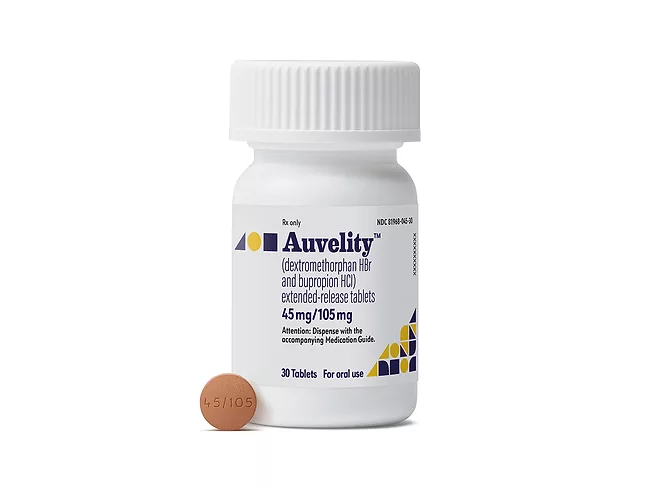
Axsome Therapeutics Inc. won U.S. FDA approval for Auvelity (AXS-05) to treat Alzheimer’s disease agitation, a condition that affects up to three-quarters of patients, gaining access to a $1 billion-plus market and a clean label that counters the boxed warning of a competitor. The agency accepted the supplemental NDA under priority review on Dec. 31, 2025, and the breakthrough therapy approval, specifically for agitation associated with dementia due to Alzheimer’s disease, came on the April 30, 2026, PDUFA date.
Investigators have shown that REED1 expression was elevated during stress, which in turn suppressed hippocampal synaptogenesis and induced major depressive disorder (MDD)-like behavior through mTORC1 signaling. The impact of REDD1 modulation was investigated in the preclinical setting for MDD.
Nader Pourhassan, the former president and CEO of Cytodyn Inc., was sentenced Jan. 23 to 30 months in prison for his role in a securities fraud scheme to deceive investors about the Vancouver, Wash.-based company’s development of leronlimab as a treatment for HIV and COVID-19.
Orexin OX2 receptor agonists have demonstrated the ability to enhance wakefulness in rodent models, as well as in nonhuman primates and patients with narcolepsy and idiopathic hypersomnia. Based on recent findings, it has been hypothesized that they may also regulate cognition, mood and other neuropsychiatric functions. Furthermore, dysregulated orexin signaling has been reported in patients with major depressive disorder (MDD) with suicide attempts.
About one-third of patients with major depressive disorder (MDD) are treatment resistant. Ketamine is very effective in treatment-resistant depression, but it is associated with psychotomimetic effects. Metabotropic glutamate mGlu2 and mGlu3 receptors negatively regulate the release of glutamate and are involved in the pathogenesis of depression.