Olympus Corp.’s “active investment” in endoluminal robotics has materialized in a new joint venture med-tech called Swan Endosurgical Inc., with Revival Healthcare Capital LLC.
Endotheia Inc. reported the successful completion of a first-in-human clinical trial of its steerable technology for endoscopic surgery. The single-use device integrates with standard forward-viewing gastroscopes, allowing physicians to replicate the functions of specialized duodenoscopes that are currently used in the treatment of biliary disease.
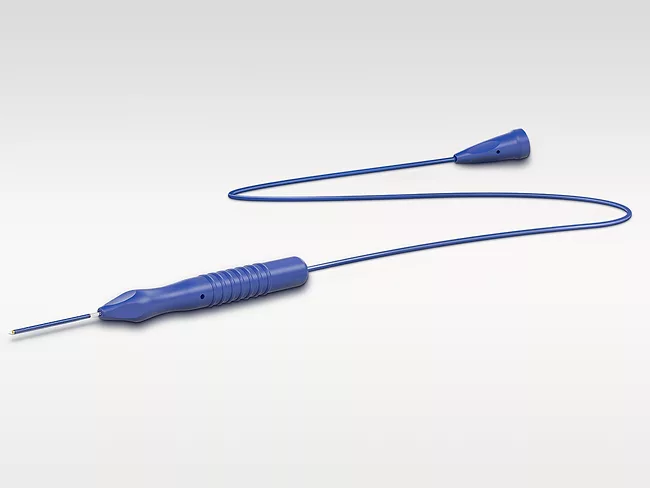
Creo Medical Group plc says it is poised to address the mismatch between the advances in screening technology, which are making it possible to detect early-stage lung cancer, and the current invasive and inappropriate methods of treating it, following the first-in-human use of its Microblate Flex microwave ablation device.
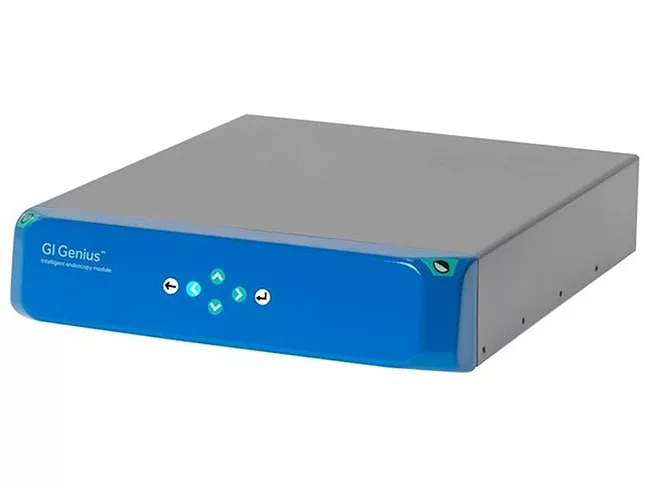
Medtronic plc has announced a plan by Cosmo Pharmaceuticals NV and Nvidia Inc. to integrate Nvidia's artificial intelligence (AI) technologies into Medtonic’s GI Genius intelligent endoscopy module. GI Genius is designed to host multiple AI algorithms as the first U.S. FDA-cleared, AI-assisted colonoscopy imaging tool for detecting polyps that can lead to colorectal cancer.
While other large med-tech companies are slimming their portfolios, Boston Scientific Corp. plans to beef its up considerably with the acquisition of Apollo Endosurgery Inc. for $10 per share for the 41.7 million shares outstanding or $417 million. Including the debt assumed, the all-cash deal has an enterprise value of $615 million. The $10 per share price represents a 67% premium to the Nov. 28, 2022, $6 close for Apollo shares. The companies expect the transaction to close in the first half of 2023.
Boston Scientific Corp. signed an agreement to purchase a majority stake (64%) of M.I. Tech Co. Ltd. for $230 million. The publicly traded Pyeongtaek South Korea-based company manufactures device solutions used in endoscopic and urologic procedures. Boston Scientific has distributed M.I. Tech’s Hanarostent non-vascular stent in Japan since 2015. The deal marks Boston Scientific’s first acquisition of the year, following a busy spending spree in 2021.
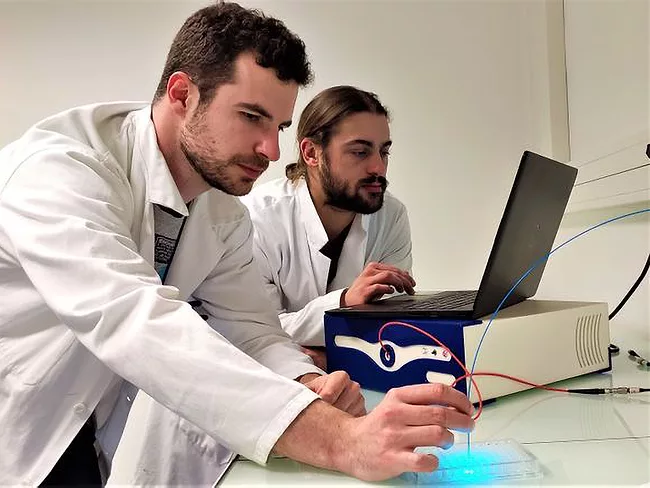
PARIS – Dyameo SAS has successfully raised $1.13 million in seed funding to develop its endoscopy probe used for the instantaneous detection of cancerous cells. This round was led by Medevice SAS and Aquiti Gestion SAS via its co-investment fund, NACO.
Motus GI Holdings Inc. received FDA 510(k) clearance to use its Pure-Vu system in upper gastrointestinal endoscopies, expanding the system’s indications from use only in colonoscopies. Pure-Vu removes blood, blood clots and debris from the GI tract, allowing endoscopists to see sources of bleeding and other issues while leaving the endoscope's working channel available for other uses.
Device reprocessing has intermittently prompted FDA action in an effort to tamp down on infection-driven adverse events for various types of endoscopes, and the latest spate of events involves endoscopes used in urological applications. While the three associated fatalities all took place outside the U.S., the FDA nonetheless indicated that it is considering the possibility that a device redesign is in order, a move the agency endorsed in connection with infections blamed on duodenoscopes.
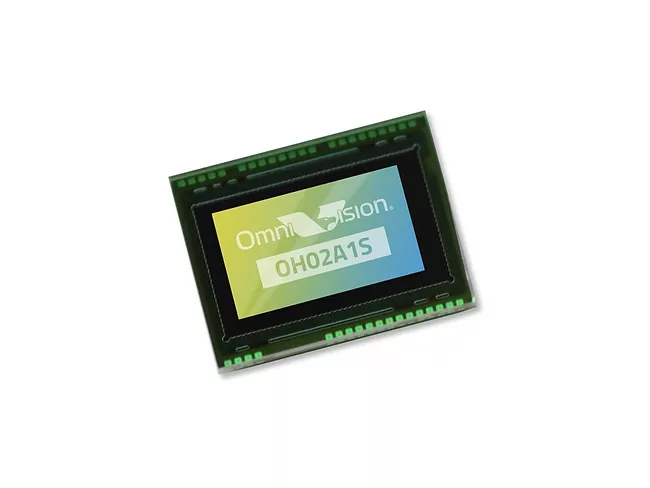
Omnivision Technologies Inc. has developed the first all-in-one RGB-infrared image sensor designed for medical use. The OHO2A1S sensor offers simultaneous white-light RGB and infrared monochrome captures in one complementary metal oxide semiconductor sensor, enabling endoscopes used in oncology to be produced with just one sensor, reducing the size, cost and heat output of the devices.