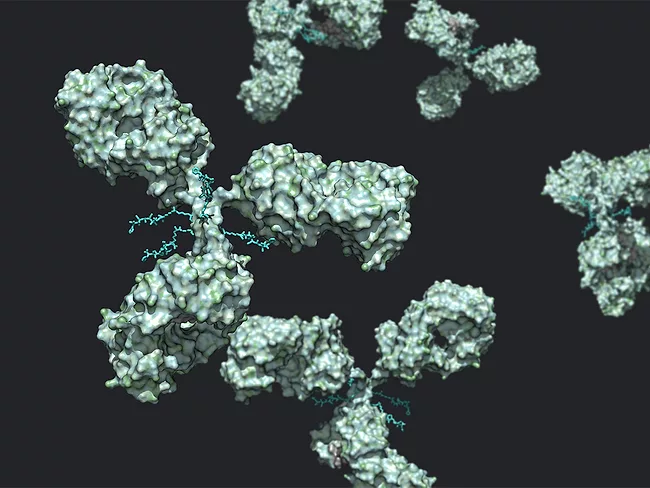
Researchers from Pfizer reported preclinical efficacy of PF-08052667, an antibody-drug conjugate (ADC) targeting integrin β6 (ITGB6), in non-muscle-invasive bladder cancer (NMIBC) models.
Pheast Therapeutics Inc. has presented preclinical data on PHST-677, a novel bispecific antibody-drug conjugate (ADC) targeting E-cadherin (CDH1) and Nectin-4.
Hopes piqued last November for detalimogene voraplasmid in bladder cancer took a hit from the latest word from the study, as did shares of Engene Therapeutics Inc. (NASDAQ:ENGN), which closed May 7 at $1.72, down 80.6%, or $7.13.
Repeated promotional claims Patrick Soon-Shiong made about Immunitybio Inc.’s Anktiva – such as “We have now discovered and developed this drug … approved for bladder cancer, but it actually can treat all cancers” – landed the Culver City, Calif., company a strongly worded warning letter from the U.S. FDA.
Early clinical data from Simcere Pharmaceutical Group Ltd. suggest its PD-L1/IL-15 bispecific antibody, SIM-0237, could emerge as a next-generation contender in Bacillus Calmette-Guérin-unresponsive non-muscle-invasive bladder cancer.
Early clinical data from Simcere Pharmaceutical Group Ltd. suggest its PD-L1/IL-15 bispecific antibody, SIM-0237, could emerge as a next-generation contender in Bacillus Calmette-Guérin-unresponsive non-muscle-invasive bladder cancer.
Almost three months to the day after Protara Therapeutics Inc. made known positive interim data from the phase II trial testing cell-based therapy TARA-002 in pediatric patients with macrocystic and mixed cystic lymphatic malformations (LMs), Palvella Therapeutics Inc. scored positive top-line results from the phase III Selva study evaluating Qtorin 3.9% rapamycin anhydrous gel for microcystic LMs.
Researchers from Leiden University Medical Center previously demonstrated that the junction adhesion molecule-independent mutant (jin-3) reovirus, which is a double-stranded RNA virus not associated with severe human disease, presents extended tumor tropism compared to wild-type reoviruses.
Another day, another insider trading settlement involving a biopharma company employee. This time the U.S. SEC settlement is with Mohit Verma, who was a researcher and associate director of immunology at the San Diego-based Infinitybio Inc. at the time of the alleged violative trading activity.
The EMA’s Committee for Medicinal Products for Human Use (CHMP) is joining the U.S. FDA and the U.K. Medicines and Healthcare products Regulatory Agency (MHRA) in approving Anktiva (nogapendekin alfa inbakicept-pmin) in patients with non-muscle invasive bladder cancer (NMIBC) who have not responded to immune stimulation treatment with Bacillus Calmette-Guérin (BCG) vaccine and would otherwise require surgical removal of the bladder.