Fifteen years since the first patient was treated, and after being ditched by two companies, the EMA is recommending approval of Waskyra (etuvetidigene autotemcel), the first gene therapy for treating Wiskott-Aldrich syndrome.
The European Medicines Agency advised its member state regulatory partners to closely track how they use LLMs in making regulatory decisions – a clear signal that some regulatory decisions may be inappropriately torqued by their well-known shortcomings.
The European Medicines Agency seems focused on pharmaceuticals to the near exclusion of medical technology, but the agency recently reported the launch of a pilot program for orphan medical devices.
A heart-protective cardiac myosin inhibitor and two biologics – one for a type of non-Hodgkin lymphoma and another for an inflammatory skin condition – were among the therapies recommended for approval by the EMA’s Committee for Medicinal Products for Human Use this week.
The EMA's Committee for Orphan Medicinal Products (COMP) has adopted a positive opinion on Sensorion SA's application seeking orphan drug designation for OTOF-GT, a gene therapy intended for the treatment of otoferlin gene-mediated hearing loss.
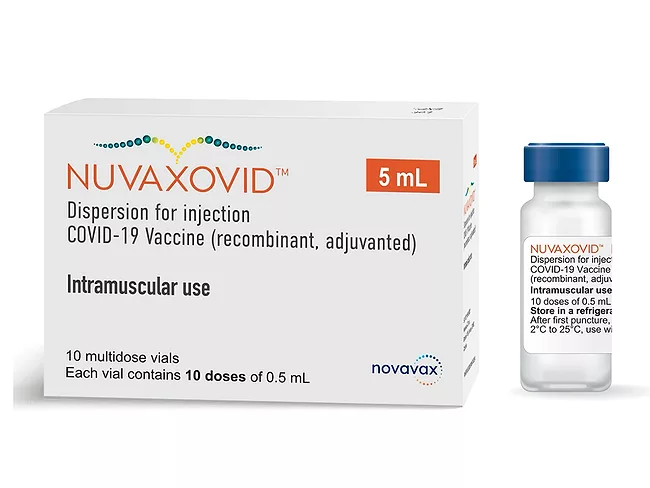
European regulators have added several safety messages to approved COVID-19 vaccines, including a warning that Novavax Inc.’s Nuvaxovid could produce severe allergic reactions.
DUBLIN – Emer Cooke, named this week as the next executive director of the EMA, is the first woman to lead the organization since its creation in 1994. She is due to take up the post in November, but her appointment must first be ratified by the European Parliament’s Committee on the Environment, Public Health and Food Safety (ENVI). She is due to present a statement to the group on July 13.
DUBLIN – The European Medicines Agency’s Committee for Medicinal Products for Human Use closed out its year’s work with positive opinions on two applications, Novartis AG’s Beovu (brolucizumab) in wet age-related macular degeneration and Merck & Co. Inc.’s Recarbrio for treating gram negative infections in adults.