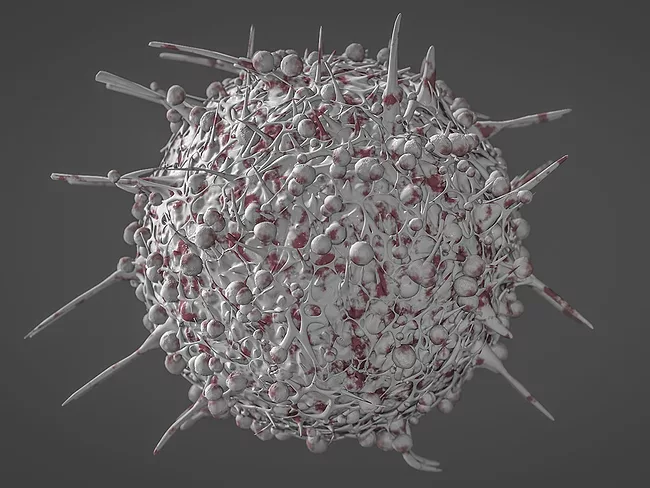
Defects in antigen presentation lead to resistance to cancer immunotherapy, where type I conventional dendritic cells (cDC1s) are crucial drivers of antitumor immunity and their presence is tied to favorable responses and better outcomes. Intratumoral delivery of adenoviral vector, Ad5-PIB, encoding PU.1, IRF8 and BATF3 reprograms tumor cells into cDC1-like antigen-presenting cells and has shown synergy with immune checkpoint blockade (ICB) therapy at exerting antitumor immunity. Asgard Therapeutics AB has developed AT-108, a lead candidate developed for durable efficacy.
A new mRNA and lipid nanoparticle (mRNA-LNP) platform could selectively reprogram in vivo cytotoxic effector T cells (Teff), the cells responsible for eliminating infected or tumor cells. To achieve this, scientists at the University of Pennsylvania conjugated LNPs with fractalkine, a molecule that binds to the CX3CR1 receptor, which is a marker of Teff cells. Using this strategy, the researchers delivered an mRNA encoding new proteins such as IL‑2 or human CD62 L‑selectin, opening the door to temporarily reprogramming these cells within the body, both in the blood and in lymphoid tissue, where they reside and become activated.
A new mRNA and lipid nanoparticle (mRNA-LNP) platform could selectively reprogram in vivo cytotoxic effector T cells (Teff), the cells responsible for eliminating infected or tumor cells. To achieve this, scientists at the University of Pennsylvania conjugated LNPs with fractalkine, a molecule that binds to the CX3CR1 receptor, which is a marker of Teff cells. Using this strategy, the researchers delivered an mRNA encoding new proteins such as IL‑2 or human CD62 L‑selectin, opening the door to temporarily reprogramming these cells within the body, both in the blood and in lymphoid tissue, where they reside and become activated.
SLAMF6 is an immune cell receptor whose function was not clear. Does it activate or inhibit cells? The results so far have been contradictory. Now, scientists at the Institut de Recherches Cliniques de Montréal have unveiled evidence that SLAMF6, a protein of the SLAM family that binds to copies of itself, is regulated by interactions between molecules of the same receptor within the same cell.
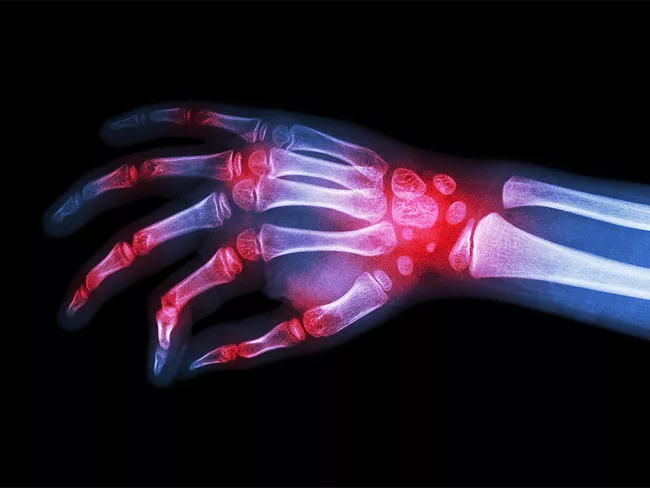
In the inflamed joints of rheumatoid arthritis, CD4+ T lymphocytes accumulate lipid droplets that make them vulnerable and promote their death, thereby amplifying joint inflammation. A study led by scientists at Mayo Clinic and Stanford University suggests that blocking the formation of these lipid droplets or their contents could offer a therapeutic strategy for this condition.
SLAMF6 is an immune cell receptor whose function was not clear. Does it activate or inhibit cells? The results so far have been contradictory. Now, scientists at the Institut de Recherches Cliniques de Montréal (IRCM) have unveiled evidence that SLAMF6, a protein of the SLAM family that binds to copies of itself, is regulated by interactions between molecules of the same receptor within the same cell.
San Francisco Bay Area researchers from UC Berkeley, UC San Francisco and Stanford University have combined their technologies to create Azalea Therapeutics Inc., a company focused on editing cells in vivo.
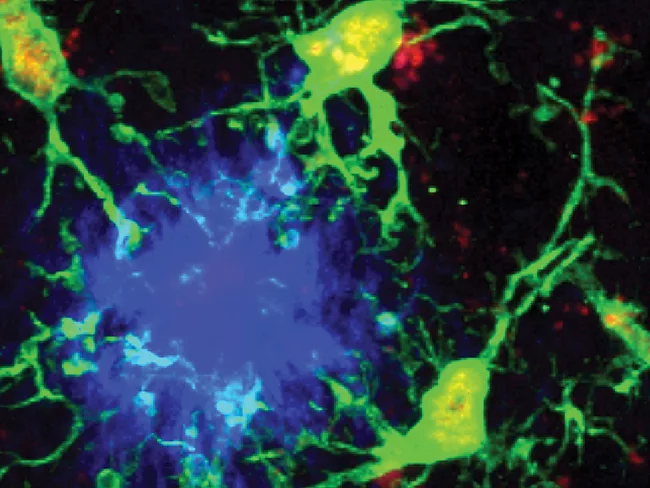
In Alzheimer’s disease, microglia act as a double-edged sword. They can either protect the brain or worsen the damage, depending on their activation state. Inflammatory activation harms healthy neurons. However, a study reveals that a special type of microglia expressing specific receptors and behaving like T cells may help mitigate this neurodegenerative condition.
San Francisco Bay Area researchers from UC Berkeley, UC San Francisco and Stanford University have combined their technologies to create Azalea Therapeutics Inc., a company focused on editing cells in vivo.
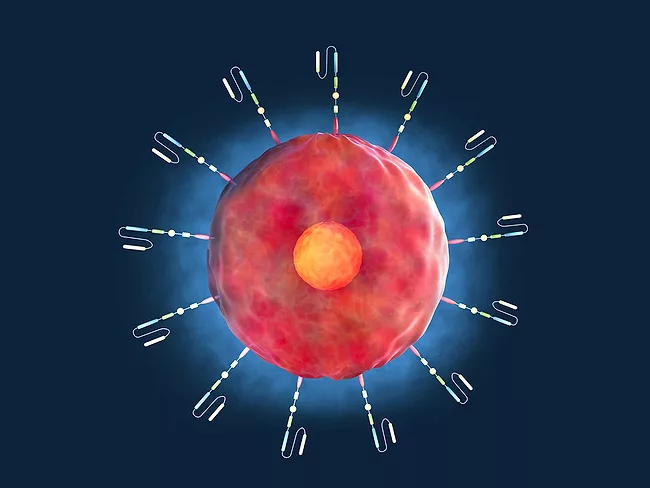
As the many challenges facing cell therapies are being addressed, the CAR T field continues to evolve beyond its original design of T cells engineered to target hematological malignancies. During the 32nd Annual Congress of the European Society of Gene and Cell Therapy (ESGCT), held in Seville Oct. 7-10, several studies showed how this technology is being redefined as programmable and adaptable immune cells with expanded functional versatility.