An alleged coverup of NIH-funded gain-of-function research at China’s Wuhan Institute of Virology has led to criminal charges against a former career scientist and top aide to Tony Fauci, the head of the National Institute of Allergy and Infectious Diseases in the time of the COVID-19 pandemic.
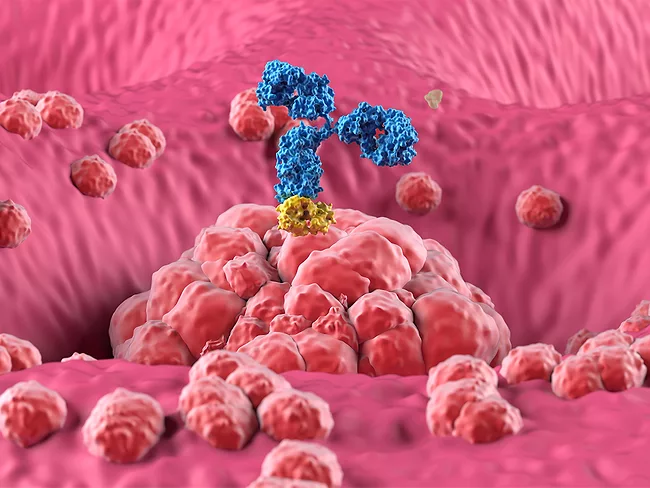
Researchers from the Wuhan Institute of Virology and collaborating institutions aimed to shed light on the physiological role of mesothelin (MSLN) and to identify antibodies that directly inhibit its function in tumor progression.
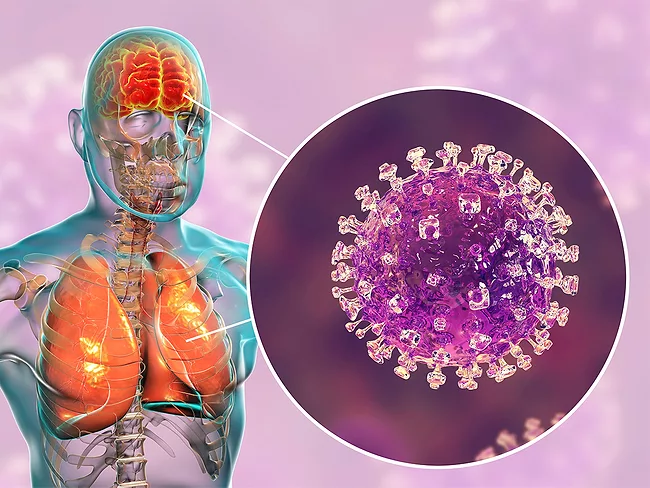
The RNA-based Nipah virus, which causes acute respiratory illness and fatal encephalitis, can be transmitted from fruit bats to humans directly or indirectly via pigs or horses. Researchers at Wuhan Institute of Virology, Chinese Academy of Sciences and collaborators wondered whether their oral nucleoside prodrug VV-116, recently licensed against human coronaviruses such as SARS-CoV-2 in China, would be effective against Nipah virus.
Nipah virus, which circulates in fruit bats and other animals primarily in Asia and the South Pacific, causes severe neurological respiratory disease in humans and leads to death in 40%-75% of cases. The virus is endemic in Bangladesh and India, where outbreaks have occurred nearly annually since 2001.
The Shanghai Institute of Materia Medica of the Chinese Academy of Sciences, Suzhou Vigonvita Life Sciences Co. Ltd. and the Wuhan Institute of Virology at the Chinese Academy of Sciences have divulged 3C-like proteinase (3CLpro; Mpro; nsp5) (SARS-CoV-2; COVID-19 virus) inhibitors reported to be useful for the treatment of SARS-CoV-2 infection (COVID-19).
Researchers at Shanghai Institute of Materia Medica and the Wuhan Institute of Virology Chinese Academy of Sciences have prepared and tested cyclic bisbenzyl tetrahydroisoquinoline compounds reported to be useful for the treatment of fibrosis, viral infections and inflammatory disorders.
Shanghai Institute of Materia Medica of the Chinese Academy of Sciences and Wuhan Institute of Virology of the Chinese Academy of Sciences have synthesized amide compounds reported to be useful for the treatment of dengue virus infection, skin inflammation, inflammatory joint disease, inflammatory bowel disease and autoimmune disease.
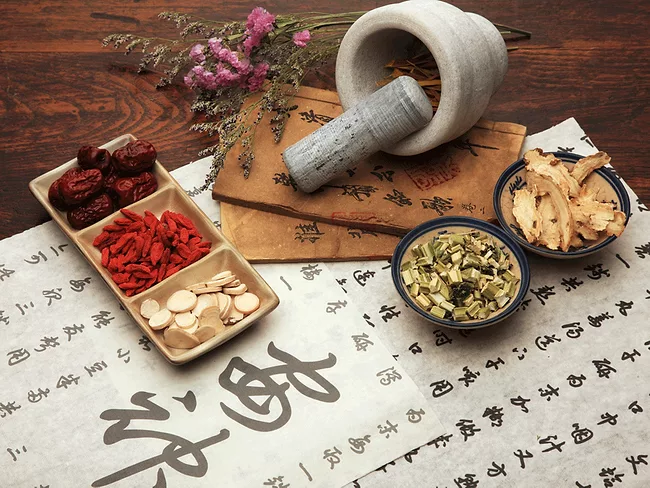
HONG KONG – In another example that communication is proving as difficult as containment in the current coronavirus outbreak, China’s state media reported, to increasing skepticism, that a traditional Chinese medicine (TCM) oral liquid could inhibit the new coronavirus.