Generating gametes from nonreproductive tissues could help overcome infertility. Previous studies have successfully transformed stem cells into viable oocytes through cellular reprogramming. Scientists at Oregon Health & Science University (OHSU) developed a method to derive them from skin cells via somatic cell nuclear transfer (SCNT), unlocking a mechanism that blends mitosis and meiosis. Now, the researchers have taken another step forward by generating fertilizable eggs from human skin cells.
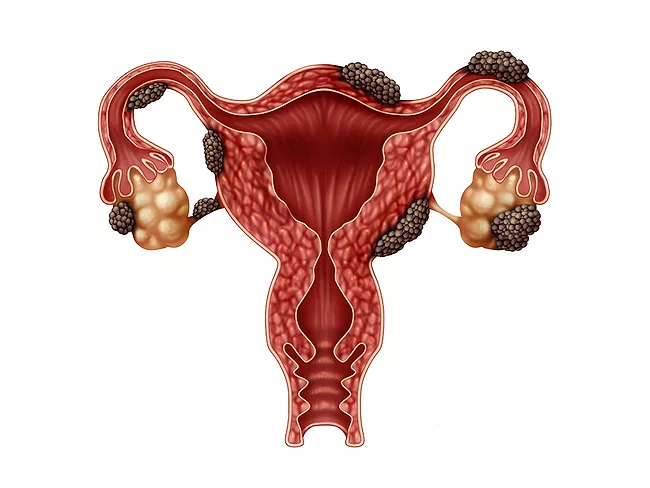
Endocyclic Therapeutics (Endomet Biosciences Inc.) has been awarded a National Institute of Health (NIH) Commercialization Readiness Pilot (CRP) Program grant from the Eunice Kennedy Shriver National Institute of Child Health and Human Development (NICHD) to accelerate the commercialization of ENDO-205, a nonhormonal, disease-modifying therapeutic designed to treat endometriosis.
The U.K. Medicines and Healthcare products Agency (MHRA) is calling for more research into the vaginal microbiome as a way to redress the historic under-representation of women in clinical studies, which it said has contributed to “critical shortcomings” in understanding of female-specific conditions.
Humanwell Healthcare (Group) Co. Ltd. has described fused ring compounds acting as angiotensin AT2 receptor (AGTR2) agonists reported to be useful for the treatment of disorders of the ovary and female reproductive tract, metabolic diseases, cardiovascular, eye, gastrointestinal, neurological, renal and respiratory disorders.
“Just simply getting old, from age 50 to 75, increased risk for Alzheimer’s disease by 100-fold, which really dwarfed 10-fold increase in risk, conferred by all known risk factors combined, including APOE genotype, being a female, hypertension, smoking, physical inactivity and diabetes.
“Just simply getting old, from age 50 to 75, increased risk for Alzheimer’s disease by 100-fold, which really dwarfed 10-fold increase in risk, conferred by all known risk factors combined, including APOE genotype, being a female, hypertension, smoking, physical inactivity and diabetes. And this trend stays true for almost all chronic diseases,” Yousin Suh told her audience earlier this week during a talk for the NIH Director’s Wednesday Afternoon Lecture Series.
“Men in general have been playing golf for a longer time – in those old boy networks we still haven’t tapped into.” It may seem far-fetched, but that is put forward as a reason for underinvestment in women’s health companies. The argument goes that women heading women’s health startups find it hard to raise money because their networks are weaker, making it harder to tap into investment networks.
“Men in general have been playing golf for a longer time – in those old boy networks we still haven’t tapped into.” It may seem far-fetched, but that is put forward as a reason for underinvestment in women’s health companies. The argument goes that women heading women’s health startups find it hard to raise money because their networks are weaker, making it harder to tap into investment networks.