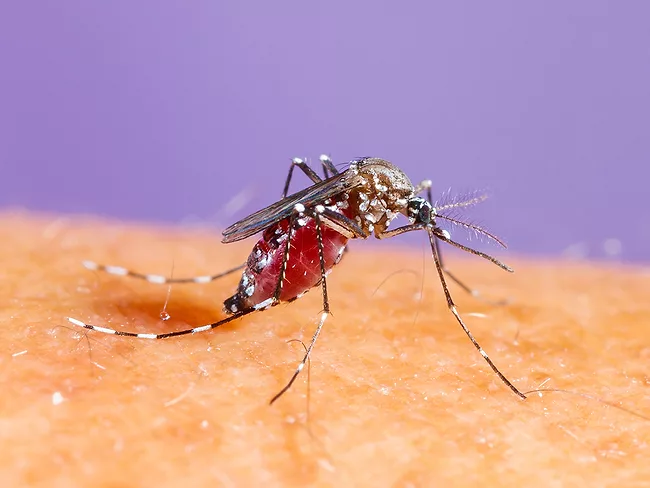
Phase III data from Novartis AG for the malaria treatment Ganlum (KLU-156) show it met the primary endpoint of noninferiority to the current standard of care, Coartem, a combination of artemether and lumefantrine. The results are a step to curbing a problem that has seen rising numbers in recent years.
Bluejay Therapeutics Inc.’s lead compound, the fully human monoclonal antibody brelovitug (BJT-778), produced positive virologic response data in the company’s phase II study of chronic hepatitis D virus, a condition with no approved treatment in the U.S.
Oxford Nanopore Technologies plc and Biomérieux SA launched Ampore-TB, a research use only test that can rapidly detect mutations linked to antimicrobial resistance in tuberculosis. With multidrug-resistant TB affecting an estimated 400,000 people annually and increasing risks of morbidity and mortality, this assay could help with earlier diagnosis of drug resistance in patients.
Moderna Inc. stopped its efforts to develop mRNA-1647 as a vaccine for preventing congenital cytomegalovirus infection, the most common infectious cause of birth defects in the U.S. The pivotal and placebo-controlled phase III CMVictory study of mRNA-1647 missed the primary efficacy endpoint, which was preventing the infection in seronegative females ages 16 to 40.
Researchers have developed a new compound that can prevent long COVID symptoms in mice that could lead to a future drug for the debilitating condition in humans. Developed by researchers at the Walter and Eliza Hall Institute of Medical Research (WEHI) in Melbourne, the world-first study found mice treated with the antiviral compound were protected from long-term brain and lung dysfunction, which are key symptoms of long COVID.
Leyden Laboratories BV added a fresh $70 million in financing to advance Panflu, its phase II-ready intranasal pan-influenza prophylactic medicine, while acquiring Cov Biotechnology Pte. Ltd. (Covbio) and its zoonotic virus-targeting portfolio to prepare for the next pandemic.
Although consensus was not reached on the World Health Organization’s pandemic agreement, the World Health Assembly recognized the progress made by member states to develop a pandemic agreement and to strengthen International Health Regulations (IHR, 2005) during the 77th World Health Assembly meeting held May 27 to June 1 in Geneva.
Antibody-drug conjugates are the hot spot for deals in Asia, but investors questioned whether oncology is really the place to be, during the Asia Bio Partnering Forum in Singapore April 24 to 25.
The latest World Health Organization’s (WHO) Pandemic Agreement falls short of protecting all countries in future pandemics, said international patient groups and public health organizations.
Antibody-drug conjugates are the hot spot for deals in Asia, but investors questioned whether oncology is really the place to be, during the Asia Bio Partnering Forum in Singapore April 24 to 25.