Phase II data disclosed March 31 by Pepgen Inc. in myotonic dystrophy type 1 (DM1) hobbled the stock but might have been much different if not for one outlier in the 5-mg/kg multiple ascending dose cohort of the ongoing phase II Freedom2-DM1 trial – and Wall Street is pondering what the hitch means for the Boston-based firm as well as the competitive space.
Researchers from Arthex Biotech SL, the University of Valencia (Spain) and collaborators sought to address the lack of optimized microRNA (miRNA)-targeting antisense oligonucleotides (anti-miRs) for upregulating MBNL1 in myotonic dystrophy.
Pepgen Inc. is forging ahead with tests of PGN-EDODM1 in other territories after the U.S. FDA placed a partial hold on the Freedom2-DM1 phase II trial, a multiple ascending-dose, randomized, placebo-controlled experiment in myotonic dystrophy type 1 (DM1).
Arrakis Therapeutics Inc. has announced the presentation of preclinical data demonstrating the progress of its RNA-targeted small molecule (rSM) drug program for the treatment of myotonic dystrophy type 1 (DM1).
The $12.5 billion acquisition of Avidity Biosciences Inc. by Novartis AG strengthens the company’s neuroscience pipeline and marks the second biggest deal that’s been announced this year. It also is the fifth M&A deal in the past five weeks to top the $1 billion mark, a sign that the market may be strengthening.
Nippon Shinyaku Co. Ltd. has disclosed compounds inhibiting binding between r(CUG) repeats in DMPK (DM1) and MBNL protein reported to be useful for the treatment of myotonic dystrophy 1.
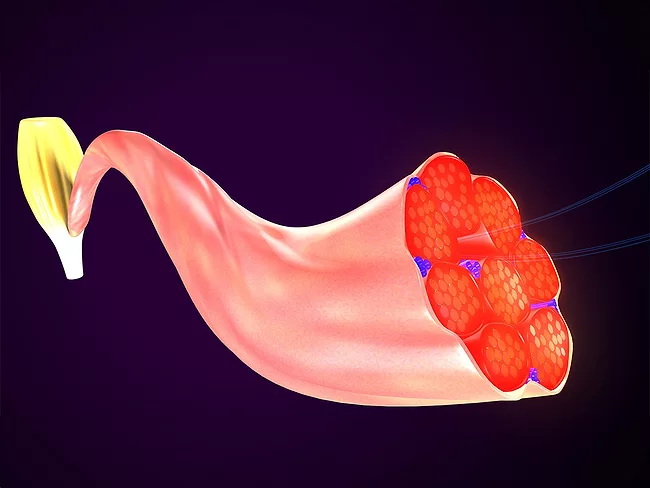
Myotonic dystrophy type 1 (DM1) is a rare, progressive genetic disease that causes severe muscle weakness and other debilitating symptoms, such as compromised respiration and cardiac conduction abnormalities. No disease-modifying therapy exists for DM1, so care focuses on managing symptoms like arrhythmia, myotonia, hypertension, cataracts, respiratory issues and sleep disorders.
Design Therapeutics Inc. has described transcription modulators reported to be useful for the treatment of myotonic dystrophy type 1 (DM1) and Fuchs’ dystrophy.
The revised trial protocol that means a delay in filing for U.S. approval of DYNE-101 to treat myotonic dystrophy type 1 (DM1) dented shares of Dyne Therapeutics Inc. (NASDAQ:DYN), which closed June 17 at $10.86, down $2.96, or 21%.
Pepgen Inc. seems to have gained a leg up on competitors in early data with PGN-EDODM1 in myotonic dystrophy type 1 (DM1), and shares of the Boston-based firm (NASDAQ:PEPG) closed Feb. 24 at $2.29, up 92 cents, or about 67%. The company unveiled initial positive data from the 5- and 10-mg/kg dose cohorts in the ongoing Freedom-DM1 phase I study with PGN-EDODM1, which deploys Boston-based Pepgen’s Enhanced Delivery Oligonucleotide technology to deliver a therapeutic oligonucleotide that is designed to restore the normal function of MBNL1, a key RNA splicing protein.