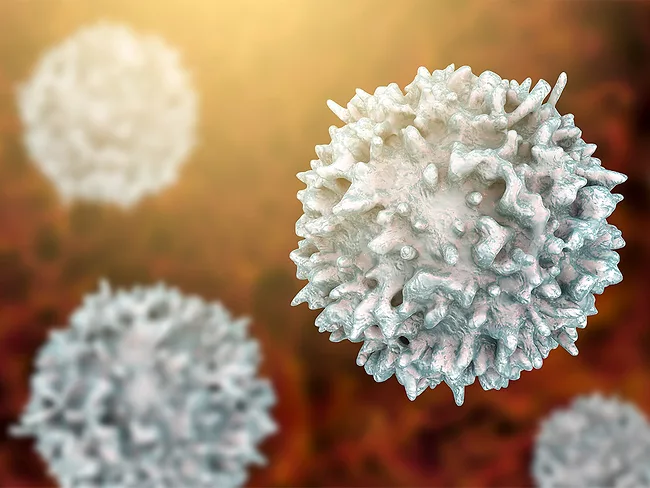
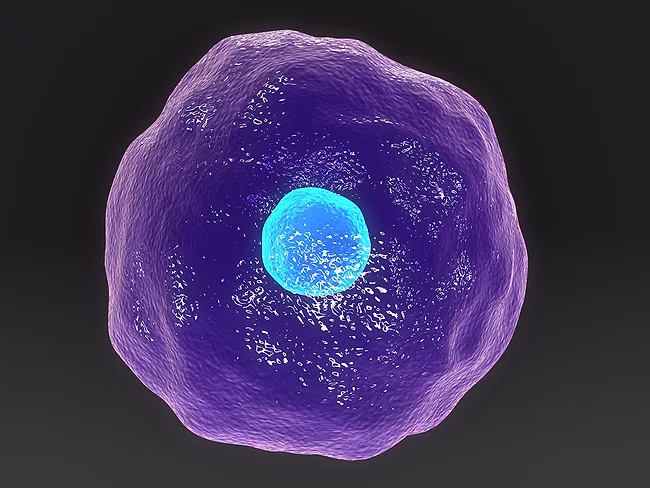
A disrupted balance between T-effector and T-regulatory cells, together with the activation of autoreactive or alloreactive B cells that generate pathogenic antibodies, is a defining feature of autoimmune diseases and transplant rejection and contributes to their often poor outcomes.
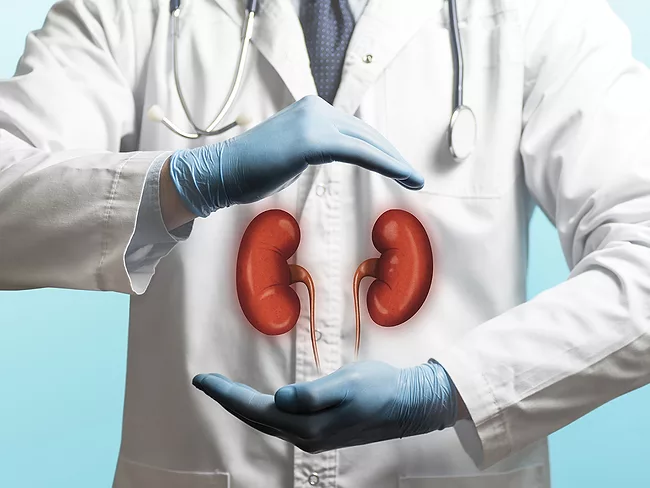
By transplanting a pig kidney into a brain-dead person, researchers have been able to conduct the first long-term study of the physiological processes occurring in both the transplant recipient and the pig organ for 61 days. The findings were published in the Nov. 14, 2025, issue of Nature in two papers – one focusing on physiological and immunological measurements, the other on multiomics.
By transplanting a pig kidney into a brain-dead person, researchers have been able to conduct the first long-term study of the physiological processes occurring in both the transplant recipient and the pig organ for 61 days. The findings were published in the Nov. 14, 2025, issue of Nature in two papers – one focusing on physiological and immunological measurements, the other on multiomics.
Casi Pharmaceuticals Inc. announced the U.S. FDA has cleared its IND application for CID-103, a monoclonal antibody targeting CD-38 for the prevention of antibody-mediated rejection (AMR) of kidney allografts. The company plans to initiate a phase I study in adults with active and chronic active renal allograft AMR.
Scientists at the University of California San Francisco (UCSF) have designed a group of synthetic molecules that could prevent the rejection of allogeneic cell transplants. Their strategy consisted of activating the immune checkpoints of different populations of immune cells from the cell surface, but avoiding the cytotoxicity of natural killer (NK) cells and macrophages that would destroy the transplanted cells.
The limited state of current clinical transplantation science was recently the subject of an opinion piece from an individual that received her first heart transplant at just 25 years of age only to soon succumb at the age of 60 to one of the many risky outcomes expected for anyone taking standard requisite immunosuppression regimens used for any transplantation, in her case terminal cancer.
Type 1 diabetes mellitus (T1DM) is an autoimmune disease in which the person’s immune system destroys its own pancreatic islet cells that leads to complete loss of insulin production. Allogeneic pancreatic islet cell transplantation has been shown to replenish the vanished β-cell population and provide glycemic control, restoration of hypoglycemia awareness, and protection from severe hypoglycemic events. However, with allogeneic transplantation, there is a need for life-long immunosuppression to protect the islet grafts from allo- and autoimmunity.
Researchers have discovered a blood signature of protein isoforms that could potentially predict which patients may reject a new organ transplant, helping inform therapeutic decisions. The findings of this study are reported online in the January 27th edition of Science.
Natera Inc. added its Prospera assessment for lung transplant patients to its portfolio, joining the company’s tests for rejection of kidney and heart transplants. The test uses donor-derived cell-free DNA (dd-cfDNA) to detect acute rejection as well as chronic rejection and infection in stable patients. Results of the VALID study presented at CHEST 2021 demonstrated that the Prospera Lung test had a negative predictive value of 97.33%, sensitivity of 89.06% and area under the curve of 0.91.
DUBLIN – Tolerogenixx GmbH is on track to move its cell-based immune tolerance induction therapy for kidney transplant recipients into a 200-patient phase IIb trial, following the publication of promising data from a phase Ib trial, in 10 patients, in which all participants had a successful transplant at one-year follow-up.