In the treatment of hepatocellular carcinoma (HCC), the long-term benefits of second-line tyrosine kinase inhibitors such as sorafenib are often limited by resistance mechanisms and adverse effects. The deubiquitinase ubiquitin carboxyl-terminal hydrolase L1 (UCH-L1) is upregulated in advanced HCC disease and has been linked to poor prognosis and treatment resistance.
Minimal residual disease (MRD) has become a central concept in modern oncology, reshaping how clinicians evaluate response, relapse risk and treatment precision. As increasingly sensitive technologies reveal traces of cancer that persist after therapy, MRD is emerging as both a biological challenge and a clinical opportunity, especially as new data illuminate its complexity across hematologic and solid tumors. This topic was addressed at the 2026 American Association for Cancer Research (AACR) annual meeting.
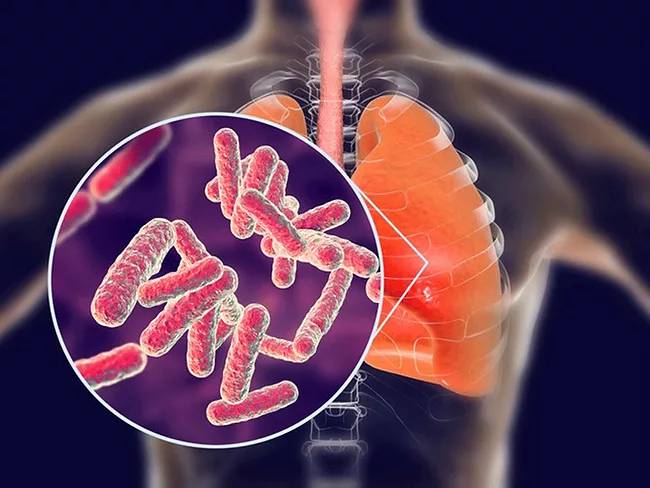
Antibiotics specialist Bioversys AG has reported the first clinical proof-of-concept data for alpibectir (BVL-GSK098) in combination with ethionamide in pulmonary tuberculosis, with phase IIa early bactericidal activity data published in the New England Journal of Medicine.
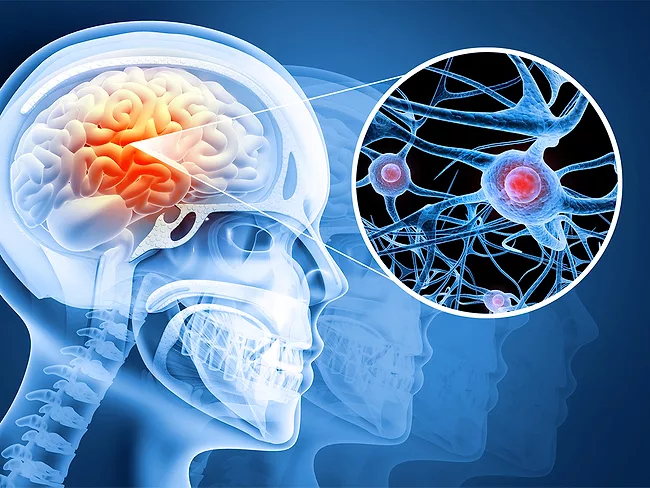
Two independent studies have linked neuronal injury, inside or outside the brain, to cancer progression and offer new biomarkers and strategies for prevention. While cerebral cancer cells damage axons and drive tumor development, in other types of cancer affecting other organs, nerve disruption caused by tumor proximity triggers inflammation and a suppressive environment that may also be associated with immunotherapy resistance.
Two independent studies have linked neuronal injury, inside or outside the brain, to cancer progression and offer new biomarkers and strategies for prevention. While cerebral cancer cells damage axons and drive tumor development, in other types of cancer affecting other organs, nerve disruption caused by tumor proximity triggers inflammation and a suppressive environment that may also be associated with immunotherapy resistance.
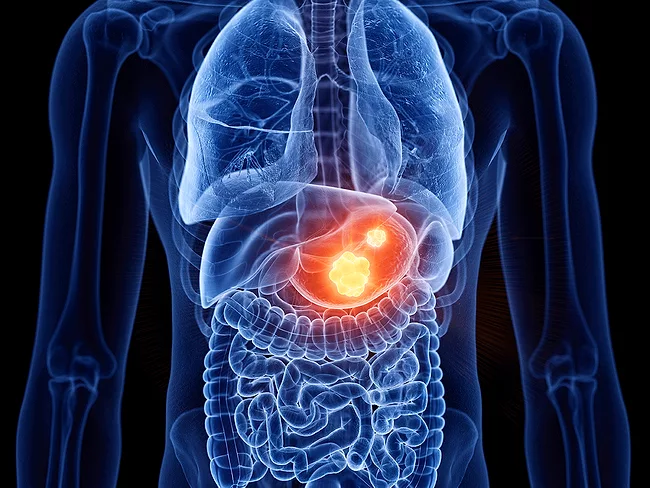
In recently published work from Air Force Medical University, analysis of tumor tissues isolated from different patient-derived xenografts revealed significantly increased expression of FXYD5 in the metastatic tumors compared to the primary tumors, and analysis of patient database confirmed significantly elevated expression of FXYD5 in gastric cancer tissues compared to normal gastric tissues.
Researchers from Novacyte Therapeutics Co. Ltd. presented preclinical data for NC-18, a novel HER2-targeting antibody drug conjugate (ADC) being developed for the treatment of HER2-positive/expressing advanced solid tumors.
Starting with a study of how mutations affect sensitivity to 10 molecularly targeted drugs, researchers have laid the foundations for a prospective, systematic approach to understanding the genetic mechanisms behind cancer drug resistance.
Starting with a study of how mutations affect sensitivity to 10 molecularly targeted drugs, researchers have laid the foundations for a prospective, systematic approach to understanding the genetic mechanisms behind cancer drug resistance. These insights will inform the development of drugs that avoid resistance emerging. For existing drugs, it will be possible to better tailor treatment and to identify second-line therapies for patients whose tumors become resistant.
Researchers from Rowan University, Pennsylvania State University, and affiliated organizations presented preclinical data for the selective Mcl-1 inhibitor, KS-18, in models of multiple myeloma (MM).