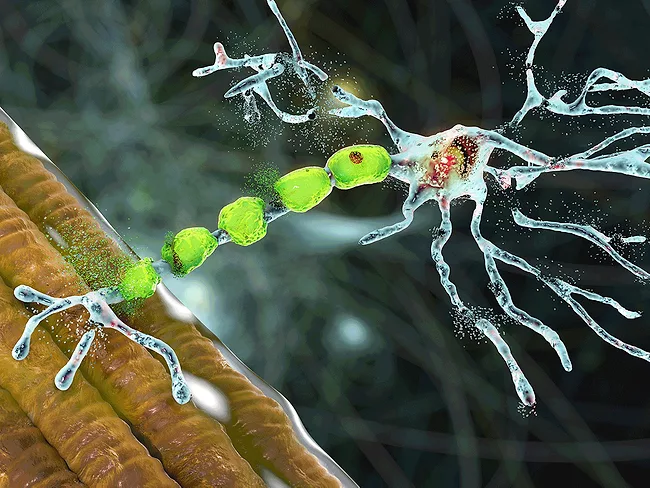
Newco Vesalic Ltd. has formed to take forward research indicating extracellular vesicles secreted by skeletal muscle cells carry toxic payloads that are key drivers of motor neuron diseases, including amyotrophic lateral sclerosis. The discovery of this process, which is largely external to the brain and the central nervous system, has opened up new targeting possibilities, and Vesalic is now working on in vivo studies to demonstrate preclinical proof of concept.
Newco Vesalic Ltd. has formed to take forward research indicating extracellular vesicles secreted by skeletal muscle cells carry toxic payloads that are key drivers of motor neuron diseases, including amyotrophic lateral sclerosis. The discovery of this process, which is largely external to the brain and the central nervous system, has opened up new targeting possibilities, and Vesalic is now working on in vivo studies to demonstrate preclinical proof of concept.
Lifearc has announced a collaboration with Neuropeutics Inc. to develop a new small molecule for the treatment of motor neuron disease (MND), or amyotrophic lateral sclerosis (ALS). Neuropeutics and Lifearc intend to develop a lead candidate therapeutic to prevent and reverse TDP-43 protein aggregation in MND/ALS.
After raising AU$16.75 million (US$10.4 million) in a series A round, Celosia Therapeutics Pty Ltd. is heading toward the clinic with its novel gene therapy that targets TDP-43, a protein directly linked to amyotrophic lateral sclerosis (ALS) pathology.
After raising AU$16.75 million (US$10.4 million) in a series A round, Celosia Therapeutics Pty Ltd. is heading toward the clinic with its novel gene therapy that targets TDP-43, a protein directly linked to amyotrophic lateral sclerosis (ALS) pathology.
After raising AU$16.75 million (US$10.4 million) in a series A round, Celosia Therapeutics Pty Ltd. is heading toward the clinic with its novel gene therapy that targets TDP-43, a protein directly linked to amyotrophic lateral sclerosis (ALS) pathology.
Pharmaust Ltd.’s monepantel met its primary safety endpoints and showed positive signals of potential efficacy in a phase I trial in patients with motor neuron disease (MND)/amyotrophic lateral sclerosis (ALS). With these results, the company will now progress to a pivotal phase II/III trial by midyear, Pharmaust CEO Michael Thurn told BioWorld.
Pharmaust Ltd.’s monepantel met its primary safety endpoints and showed positive signals of potential efficacy in a phase I trial in patients with motor neuron disease (MND)/amyotrophic lateral sclerosis (ALS). With these results, the company will now progress to a pivotal phase II/III trial by midyear, Pharmaust CEO Michael Thurn told BioWorld.
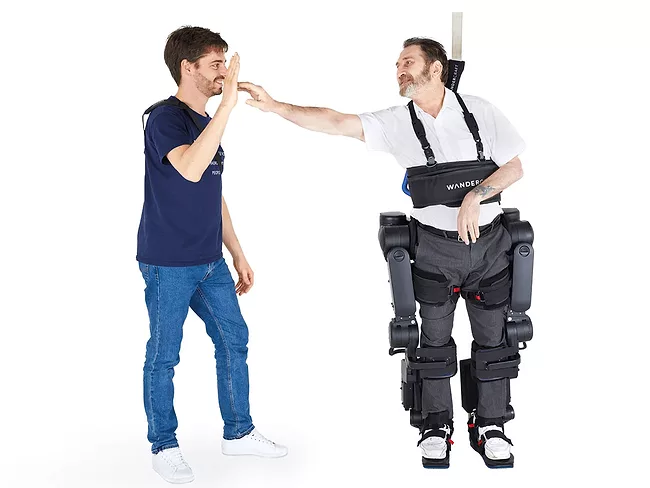
Wandercraft SAS has begun commercial operations of its exoskeleton, Atalante X, in the U.S., offering another solution to the millions of people living with mobility impairments. The company also formed a partnership with the Kessler Foundation whose research team will investigate the possible benefits of the Atalante X for neurologically impaired patients, including those recovering from stroke, spinal cord injuries and motor neuron disease.
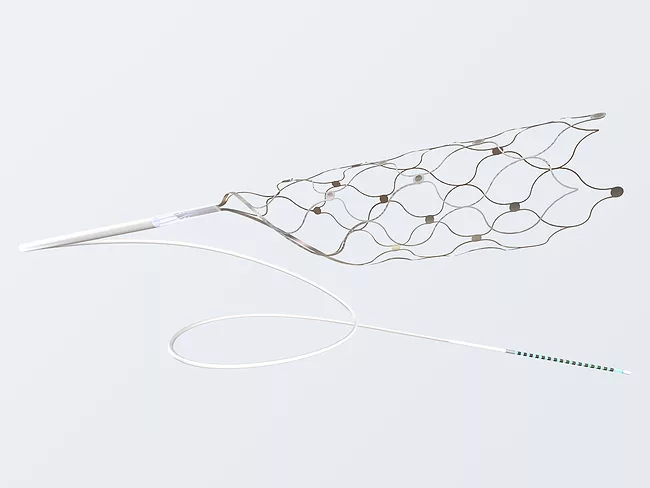
Medical technology company Synchron Inc. completed an AU$110 million (US$73.9 million) series C round that will allow the company to conduct a feasibility study and pivotal trial of its implantable brain computer interface that can interpret and stimulate parts of the brain.