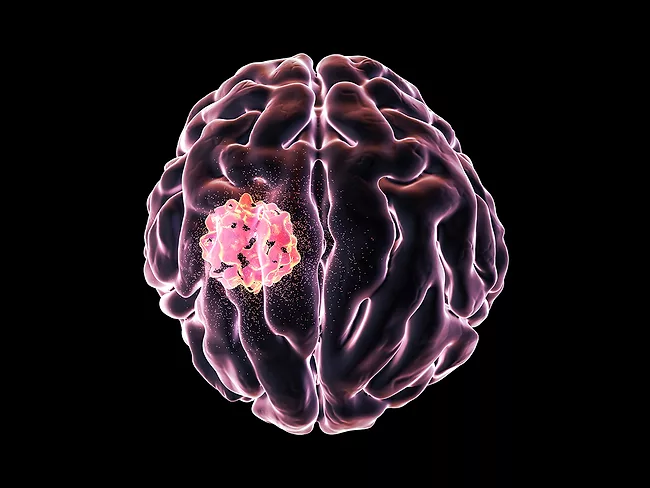
Glioblastoma multiforme (GBM) is the most aggressive and common type of brain cancer in adults, with a dismal prognosis despite current treatments. Previous work found that neurodevelopmental pathways drive glioma tumor initiation, maintenance and progression through fetal oncogenes, which are active in development and cancer but largely absent in adult tissues, offering precise therapeutic targets with minimal off-target effects.
With the trial sites now open for its CRISPR-edited T-cell receptor immunotherapy trial, Anocca AB has raised SEK440 million (US$46 million) to fund the phase I part of the multicenter study to completion. The company’s engineered T-cell receptor T-cell therapy (TCR-T) is first being tested against KRAS mutations in pancreatic cancer.
Anocca AB has secured the first regulatory authorization in Europe for a CRISPR-Cas gene-edited T-cell receptor T-cell therapy trial, with the phase I/II study now due to start over the next three months at sites in Sweden, Germany, Denmark and the Netherlands.
Researchers at the University of California at San Francisco have identified an RNA-binding protein that increased the translation of Myc mRNA. The authors wrote that their work, which was published online in Nature Cell Biology on Feb. 4, 2025, “transforms the understanding of the translational code in cancer and illuminates therapeutic openings to target the expression of oncogenes.”
Researchers at the University of California at San Francisco have identified an RNA-binding protein that increased the translation of Myc mRNA. The authors wrote that their work, which was published online in Nature Cell Biology on Feb. 4, 2025, “transforms the understanding of the translational code in cancer and illuminates therapeutic openings to target the expression of oncogenes.” Myc is a transcription factor that regulates multiple cellular growth factors. Its overexpression is a driver event in many solid tumors, including pancreatic cancer. Drugging Myc, though, has so far proved challenging.
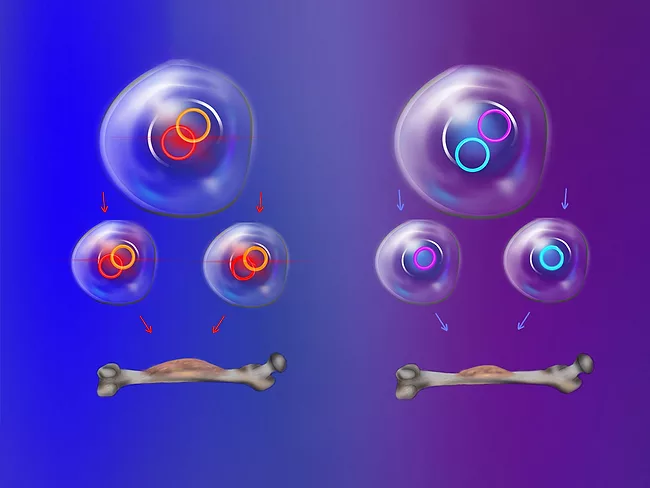
Cancer therapies can eliminate specific tumors based on their genetic content. However, some cancer cells survive. How do they do it? Part of the answer lies in extrachromosomal DNA (ecDNA), an ace up the tumors’ sleeve to adapt and evade attack. Three simultaneous studies in the journal Nature lay all the cards on the table, revealing ecDNAs’ content, their origin, their inheritance, their influence in cancer, and a way to combat them.
Cancer therapies can eliminate specific tumors based on their genetic content. However, some cancer cells survive. How do they do it? Part of the answer lies in extrachromosomal DNA (ecDNA), an ace up the tumors’ sleeve to adapt and evade attack. Three simultaneous studies in the journal Nature lay all the cards on the table, revealing ecDNAs’ content, their origin, their inheritance, their influence in cancer, and a way to combat them.
Cancer therapies can eliminate specific tumors based on their genetic content. However, some cancer cells survive. How do they do it? Part of the answer lies in extrachromosomal DNA (ecDNA), an ace up the tumors’ sleeve to adapt and evade attack. Three simultaneous studies in the journal Nature lay all the cards on the table, revealing ecDNAs’ content, their origin, their inheritance, their influence in cancer, and a way to combat them.
Starting with a study of how mutations affect sensitivity to 10 molecularly targeted drugs, researchers have laid the foundations for a prospective, systematic approach to understanding the genetic mechanisms behind cancer drug resistance.
Starting with a study of how mutations affect sensitivity to 10 molecularly targeted drugs, researchers have laid the foundations for a prospective, systematic approach to understanding the genetic mechanisms behind cancer drug resistance. These insights will inform the development of drugs that avoid resistance emerging. For existing drugs, it will be possible to better tailor treatment and to identify second-line therapies for patients whose tumors become resistant.