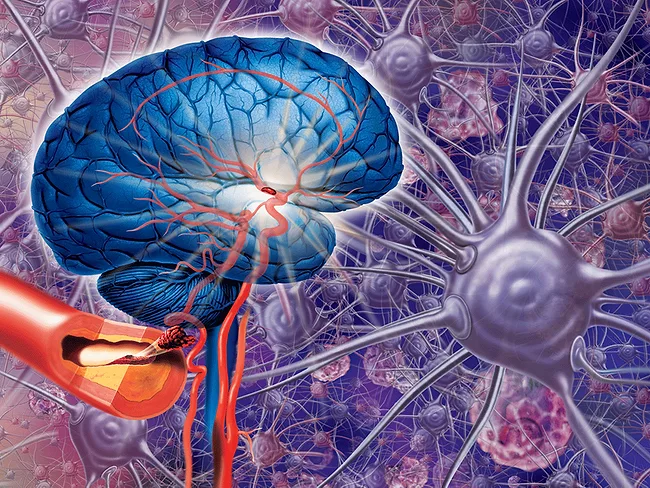
Sichuan Primed Shines Bio-Tech Co. Ltd. researchers have published results on their investigation regarding SYW-06 oral dosing and its impact on cognitive function in monkeys submitted to middle-cerebral artery occlusion (MCAO).
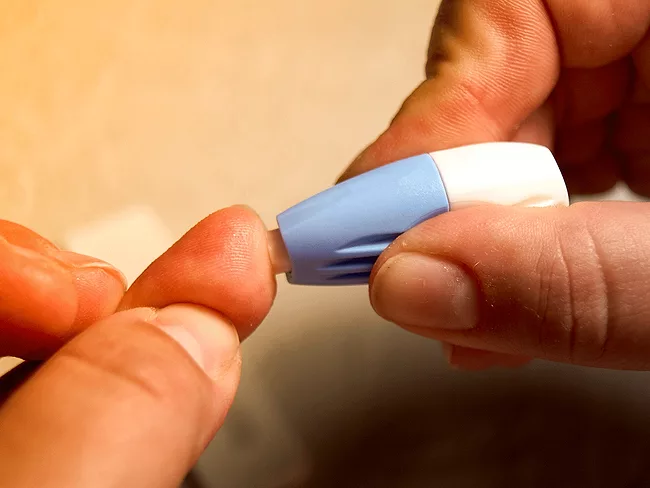
A team of international researchers is investigating whether a finger-prick blood test could be used to help diagnose Alzheimer’s disease before symptoms appear. With current diagnostic methods relying on expensive brain scans and invasive lumbar punctures, the trial is exploring whether the simple test could offer a faster, cheaper, and more accessible route to identifying the disease.
After Recognify Life Sciences Inc.’s phase IIb failure in treating the cognitive impairment in those with schizophrenia, the indication is no closer to a U.S. FDA approved therapy. The placebo-controlled study of inidascamine missed its primary endpoint to improve cognition, joining a list of companies that have tried and failed to find a successful treatment.
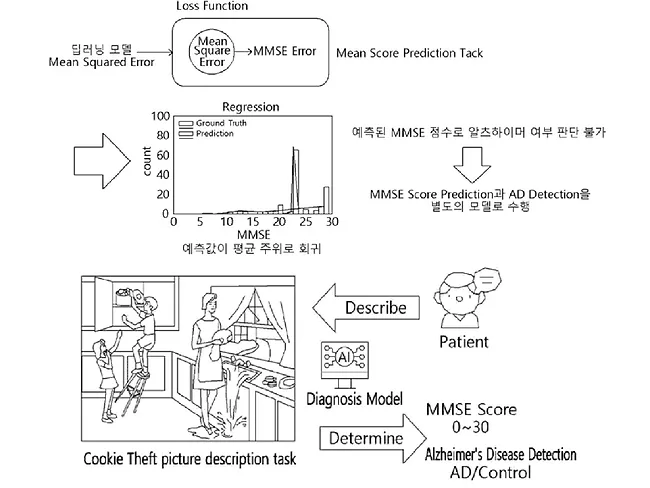
Seoul, South Korea-based Voinosis Co. Ltd. filed for potential worldwide protection of its AI-based system that allows for the early detection cognitive impairment, dementia, Alzheimer’s disease and hearing loss through voice analysis.
Australia’s Therapeutic Goods Administration (TGA) has once again decided against approving Eisai Australia Pty Ltd.’s amyloid beta binder, Leqembi (lecanemab), for treating patients with mild cognitive impairment due to Alzheimer's disease and mild Alzheimer's dementia.
Brainaurora Medical Technology Ltd. debuted on the Hong Kong stock exchange Jan. 8 with a HK$583.18 million (US$74.93 million) IPO, offering about 181.11 million shares at HK$3.22 per share.
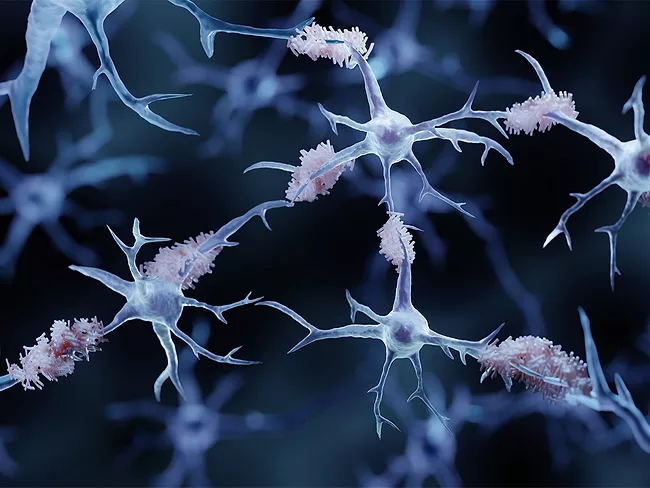
Alzheimer’s disease (AD) is characterized by synaptic damage, neuronal loss and cognitive decline caused by the neurotoxic effects of amyloid-β. It is the third most significant challenge to global health nowadays and currently available drugs have limited efficacy.
After Sage Therapeutics Inc. reported a phase II failure with oral dalzanemdor, also known as SAGE-718, in mild cognitive impairment related to Parkinson’s disease (PD), Wall Street’s eyes turned to ongoing mid-stage efforts with the same N-methyl-D-aspartate receptor-positive allosteric modulator in Huntington’s disease and Alzheimer’s disease.
Vandria SA has been awarded two grants totaling €3.8M (US$4.1M) from Innosuisse and Eurostars to support its two lead drug candidates addressing CNS and muscle diseases, respectively.
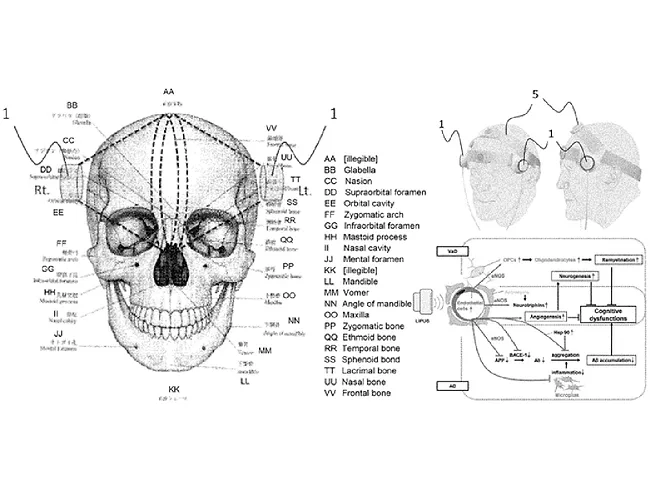
Sound Wave Innovation Co. Ltd. seeks patent protection for a method of using an ultrasonic device which transmits non-converging ultrasonic energy to the brain for the treatment of dementia, including mild Alzheimer’s-type dementia and mild cognitive impairment.