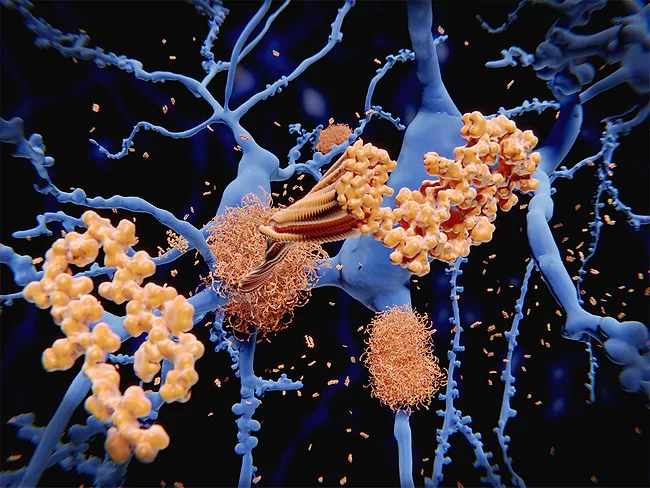
The potent carboxypeptidase enzyme protective protein cathepsin A (PPCA) is known to cleave the C-terminus of amyloid-β42, responsible for aggregation and oligomer stability, and may reduce both intracellular and extracellular amyloid-β aggregates in the brain. Amlogenyx Inc. has presented data regarding their approach based on PPCA delivery through an adenoviral vector (AAV9), namely AM-805, for the potential treatment of Alzheimer’s disease (AD).
Investigators have identified structural differences between amyloid-beta (Abeta) aggregates in the postmortem brains of patients with inherited and sporadic Alzheimer's disease (AD), respectively. Moreover, both were different from the aggregates that form when Abeta assembles in vitro.