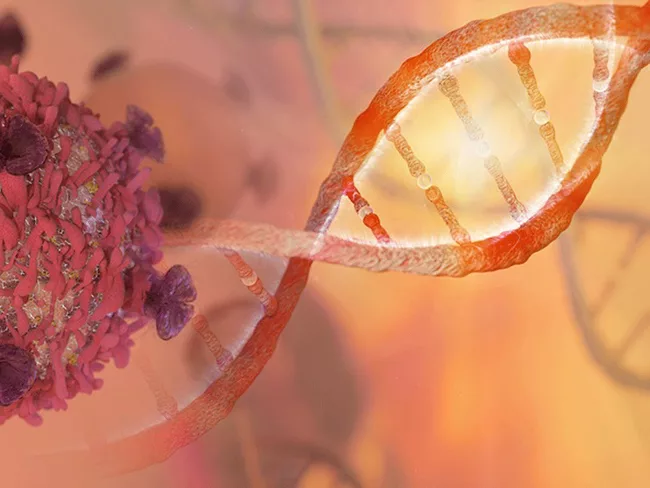
A new pan-cancer study has uncovered a shared vulnerability across multiple aggressive cancers and sheds light on the role that BRCA1-associated protein 1 (BAP1) plays in recognizing DNA damage. Researchers from Duke-National University of Singapore (NUS) Medical School in Singapore discovered that the loss of BAP1 – a mutation found in mesothelioma, cholangiocarcinoma, renal cell carcinoma and uveal melanoma – creates a specific defect in how cancer cells recognize and repair DNA damage.
Researchers from Onxeo SA presented preclinical data for OX-425, a first-in-class oligodeoxynucleotide that operates as a poly (ADP-ribose) polymerase 1 (PARP-1) decoy, and which is being developed as anticancer agent.
The enzyme poly [ADP-ribose] polymerase 1 (PARP1) is well known for its role in DNA damage repair, and multiple FDA-approved PARP inhibitors are used to treat BRCA-mutated tumors. Now, researchers at the Wistar Institute have described a role for PARP in regulating the genome of Epstein-Barr virus.