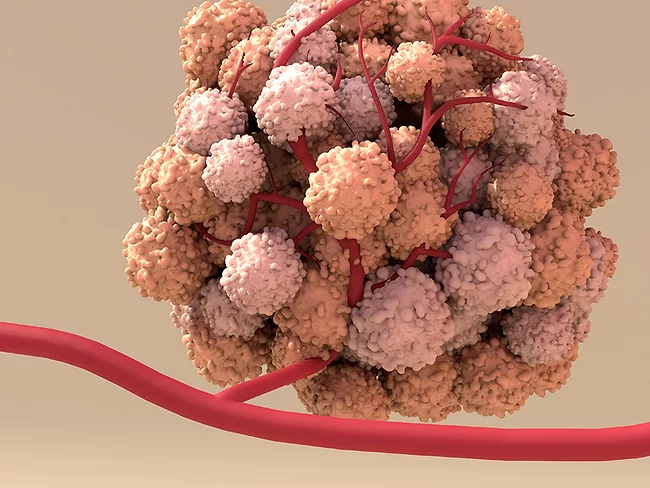
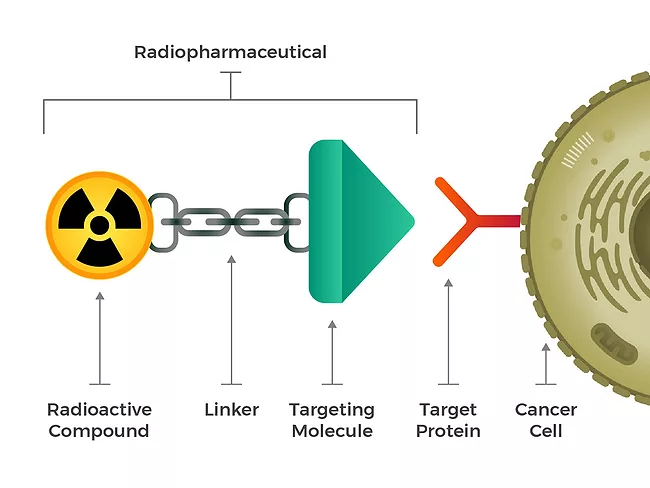
Eisai Co. Ltd. has patented immunoconjugates comprising monoclonal antibodies targeting 5’-nucleotidase (CD73) covalently linked to cytotoxic drug. They are reported to be useful for the treatment of cancer.
A month away from the PDUFA decision date for a Leqembi (lecanemab) subcutaneous autoinjector to be used for maintenance dosing for those with early Alzheimer’s disease, Eisai Co. Ltd. and Biogen Inc. presented clinical data at the Alzheimer's Association International Conference (AAIC) 2025 in Toronto, showing comparable efficacy and safety to the FDA-approved intravenous formulation.
Alzheon Inc.’s oral treatment for people in the early stages of Alzheimer’s disease missed its phase III primary endpoint, adding yet another therapy to a long list by many developers that can’t beat dementia. The study also received grant money, which is in increasingly short supply.
Antibody-drug conjugates (ADCs) have demonstrated their effectiveness in a variety of solid tumors such as breast, lung, ovarian or bladder cancer and in hematological cancers too. However, in some cancer types, like pancreatic cancer, treatment with ADCs needs enhancement through more appropriate targets and payloads.
EMA approval of the Alzheimer’s disease therapy Leqembi (lecanemab) has stalled once again, after the European Commission did not as usual nod through the agency’s recommendation, but told it to examine safety data that have recently become available.
Neomorph Inc. has signed another billion-dollar deal to develop molecular glue degraders, this time with Abbvie Inc. It’s the third agreement in the past year the five-year-old company has signed with big pharma companies in a space with lots of collaborative deals.
Roche AG’s disclosure in December that prasinezumab, partnered with Prothena plc, fell short of its primary phase IIb endpoint put the spotlight on microtubule binding region (MTBR)-targeting therapies in neurological disorders.
The EMA has changed its mind about an earlier decision that the risks of Leqembi (lecanemab) outweigh the benefits and is now recommending the Alzheimer’s disease drug is approved for a subgroup of patients. That follows an appeal by Eisai Co. Ltd. and a re-examination of the data, after details relating to 274 patients with two copies of the ApoE4 gene were removed from the file.
A year out from Leqembi’s approval for Alzheimer’s disease (AD), ongoing research coupled with artificial intelligence is advancing both radiopharmaceuticals and small-molecule drugs for AD diagnostics and treatment, speakers at the 2024 KoNECT-MOHW-MFDS conference said.