In the opening sessions of this year’s ESMO Targeted Anticancer Therapies Congress, Elena Garralda, director of the Molecular Therapeutics Research Unit at Vall d’Hebron Institute of Oncology in Barcelona, described ESMO TAT as “the house of phase I,” a fitting label for a meeting centered on translational research and early drug development, where first-in-human data and new trial designs help shape the next generation of cancer therapies.
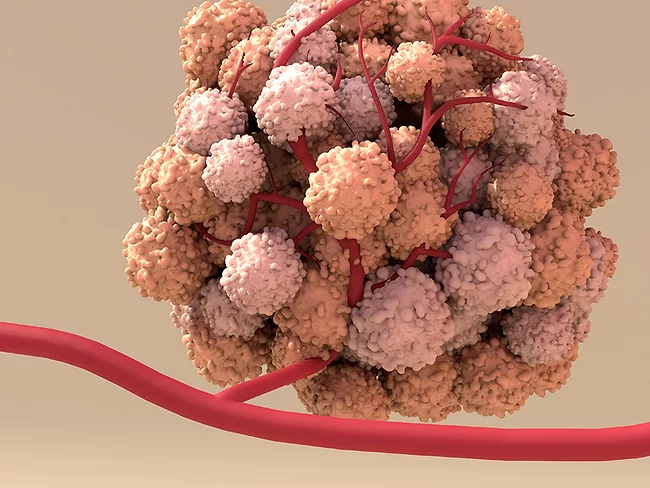
A recent study published in Cancer Research by scientists at The University of Texas MD Anderson Cancer Center (USA) and collaborators aimed to identify and characterize a target that elicits an anticancer response through both disrupting cancer cell redox homeostasis and increasing the immunogenicity of pancreatic ductal adenocarcinoma (PDAC).
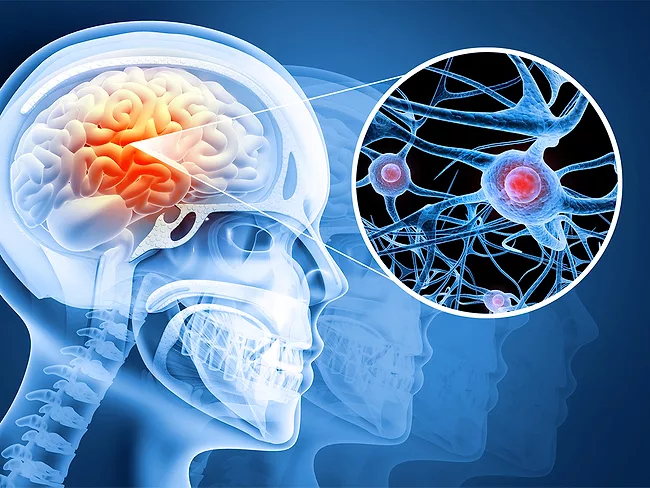
Two independent studies have linked neuronal injury, inside or outside the brain, to cancer progression and offer new biomarkers and strategies for prevention. While cerebral cancer cells damage axons and drive tumor development, in other types of cancer affecting other organs, nerve disruption caused by tumor proximity triggers inflammation and a suppressive environment that may also be associated with immunotherapy resistance.
Two independent studies have linked neuronal injury, inside or outside the brain, to cancer progression and offer new biomarkers and strategies for prevention. While cerebral cancer cells damage axons and drive tumor development, in other types of cancer affecting other organs, nerve disruption caused by tumor proximity triggers inflammation and a suppressive environment that may also be associated with immunotherapy resistance.
Aprea Therapeutics Inc. has announced new preclinical data on APR-1051, the company’s next-generation oral WEE1 inhibitor, in human papillomavirus (HPV)-positive head and neck squamous cell carcinoma (HNSCC).
Chinese researchers are preparing the details for the publication of another scientific milestone, the creation of a chimera with a human heart and a kidney developed from human stem cells in pig embryos.
Chinese researchers are preparing the details for the publication of another scientific milestone, the creation of a chimera with a human heart and a kidney developed from human stem cells in pig embryos. These studies aim to address the shortage of immunocompatible organ donors while shedding light on some of the most fundamental questions in developmental biology.
Aprea Therapeutics Inc. has entered into a material transfer agreement with MD Anderson Cancer Center that will support investigation of APR-1051 as a potential treatment for head and neck squamous cell carcinoma (HNSCC).
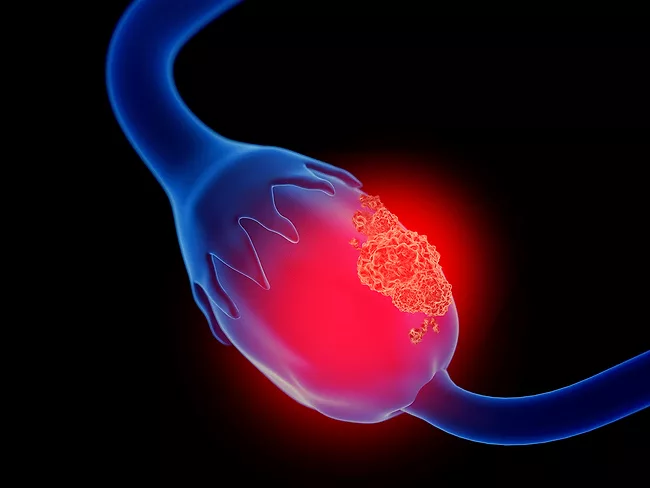
Eterna Therapeutics Inc. has released promising results from a preclinical study of its lead cell therapy product, ERNA-101, showing it reduced tumor burden and extended survival in mice with ovarian cancer.
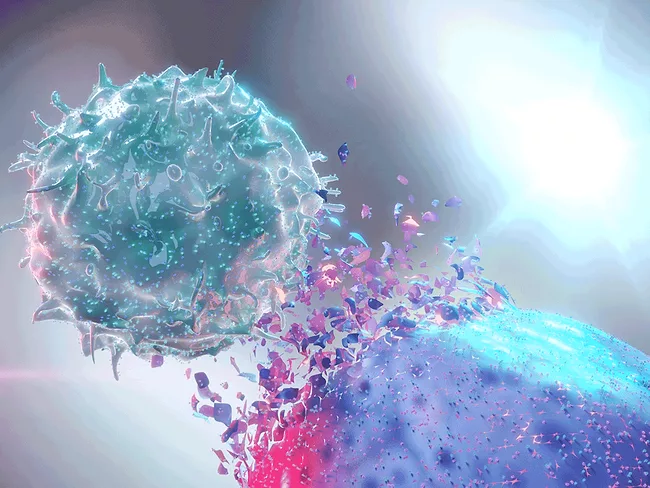
The University of Texas MD Anderson Cancer Center has launched its Institute for Cell Therapy Discovery & Innovation, which seeks to build upon MD Anderson clinical and research expertise to advance impactful cell therapies.