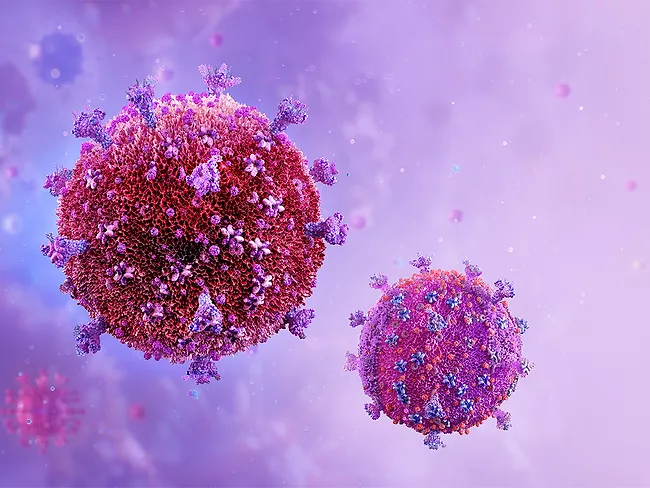
For the treatment of HIV infection, non-nucleoside reverse transcriptase inhibitors (NNRTIs) are used to prevent viral replication by binding to a pocket near the polymerase active site of HIV-1 reverse transcriptase.
One topic at the 31st Conference on Retroviruses and Opportunistic Infections (CROI 2024) held in Denver this month was that resistance to antiretroviral therapy (ART) has become a public health problem for people living with HIV. Without a vaccine or a cure, these patients depend on treatments that suppress viremia by preventing the virus from replicating. They are lifelong treatments and, until new advances succeed in eradicating the virus from reservoirs, the only option available.