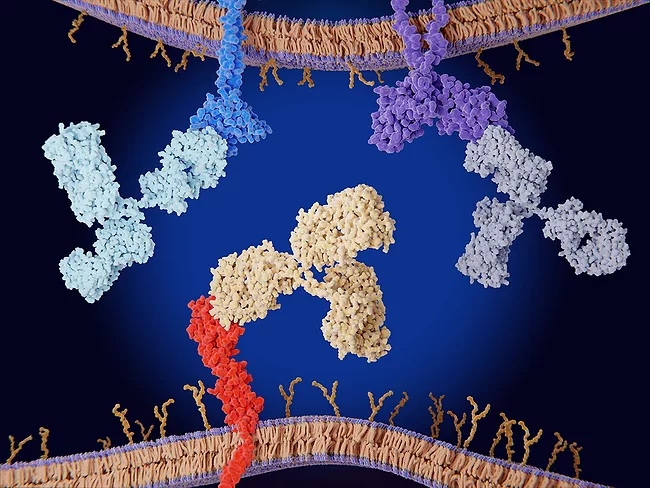
Chinese pharmaceutical companies are making significant inroads into the global oncology market, particularly with the development and approval of immune checkpoint inhibitors. These treatments, which have shown strong efficacy in various cancer indications, are not only transforming the oncology landscape in China but are also gaining traction in high-value international markets, including the U.S.
The FDA’s Oncologic Drugs Advisory Committee (ODAC) met for what chairperson Christopher Lieu called, at the end, “an incredibly long day” to decide whether approval of immune checkpoint inhibitors should be restricted in accordance with expression levels of PD-L1.
The U.S. FDA has approved Beigene Co. Ltd.’s Tevimbra (tislelizumab-jsgr) as a monotherapy for treating adults with unresectable or metastatic esophageal squamous cell carcinoma following prior chemotherapy that did not include a PD-1 inhibitor. A humanized IgG4 anti-PD-1 monoclonal antibody, tislelizumab is designed to minimize binding to Fc-gamma receptors on macrophages, helping to aid the body’s immune cells to detect and fight tumors.
The U.S. FDA has approved Beigene Co. Ltd.’s Tevimbra (tislelizumab-jsgr) as a monotherapy for treating adults with unresectable or metastatic esophageal squamous cell carcinoma following prior chemotherapy that did not include a PD-1 inhibitor. A humanized IgG4 anti-PD-1 monoclonal antibody, tislelizumab is designed to minimize binding to Fc-gamma receptors on macrophages, helping to aid the body’s immune cells to detect and fight tumors.