In its largest acquisition to date, Incyte Inc. snagged rights to phase III-stage VGA-039, a monoclonal antibody the firm said could offer a new standard of care in von Willebrand disease (VWD), in a buyout of Vega Therapeutics Inc. that includes a $1.25 billion up-front payment and up to $750 million tied to the achievement of sales milestones. The announcement was followed shortly by news of another buyout, Johnson & Johnson’s deal to acquire Firefly Bio Inc. for $1 billion in cash, both moves continuing this year’s trend of larger, more strategic M&A transactions.
It looks like the end of the road for many of the court challenges to the Inflation Reduction Act’s (IRA) provision requiring Medicare to negotiate prescription drug prices. The U.S. Supreme Court denied cert May 18 to petitions brought by six biopharma companies that raised questions about the constitutionality of the negotiations. All but one of the suits involved were denied in the Third Circuit; the other one was denied in the Second Circuit, so there is no circuit split – yet.
Temperature matters when determining pH levels. Whether that level should be measured at a standard room temperature or refrigerated matters even more, at least in Actelion Ltd.’s infringement litigation against Mylan Inc. According to Johnson & Johnson’s Actelion, the pH level in epoprostenol, the key ingredient in its hypertension drug Veletri, should be measured at a refrigerated temperature when it comes to Mylan’s generic formulation.
Now that the FDA is on board with doing away with the U.S.’ unique two-tier biosimilar pathway, the biosimilar industry is urging Congress to pass the bipartisan Biosimilar Red Tape Elimination Act, which would recognize that biosimilars and interchangeables are one and the same.
New data on pulsed field ablation (PFA) presented at Heart Rhythm 2026 in Chicago over the weekend continue to show the benefits and superiority of the technologies in treating patients with atrial fibrillation. The PFA landscape is fast-evolving and med-tech players are jostling for market share with ever-differentiated platforms looking to attract electrophysiologists.
U.S. FDA drug approvals totaled 19 in March 2026, matching February and showing a solid level of regulatory activity, though slightly below the 22 approvals recorded in March 2025 and under the spike of 30 seen in March 2024.
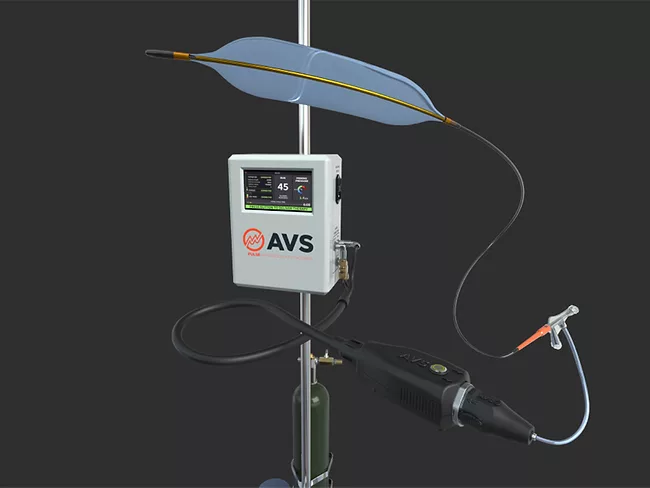
Stryker Corp. has signed a definitive agreement to acquire Amplitude Vascular Systems Inc. (AVS) in a bid to strengthen its Peripheral Vascular portfolio, by adding a revascularization technology.
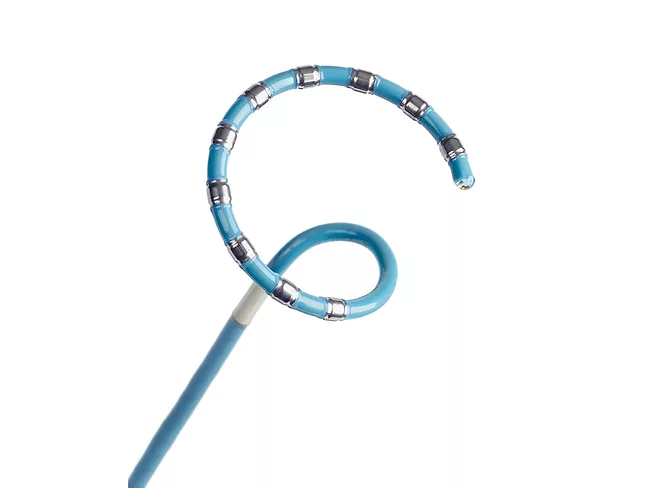
Johnson & Johnson launched its latest pulsed field ablation (PFA) catheter, Varipulse Pro, in Europe following CE mark approval, bringing another option to electrophysiologists looking to adopt PFA technology. The system features a new pulse sequence with a lower temperature profile and enables ablation that is five times faster than the previous sequence, while achieving equivalent lesions. It represents another significant development in the rapidly evolving PFA market that has transformed cardiac ablation treatment.
Data presented at the 2026 American Academy of Dermatology (AAD) meeting have put the spotlight on the arrival of target-selective oral therapies that are set to challenge injected biologics in terms of efficacy, while offering greater convenience and improving access to treatment.
AI and advanced biotechnology are reshaping South Korea’s med-tech sector, but great technology alone is not enough to build a successful medical device company, speakers said at MedTech Innovator’s Medtech Spotlight: New Impact Korea 2026.