On the heels of the marketing OK in Europe, Protalix Biotherapeutics Inc. and the Chiesi Group’s global rare diseases unit scored approval of Elfabrio (pegunigalsidase alfa-iwxj) from the U.S. FDA for adults with Fabry disease.
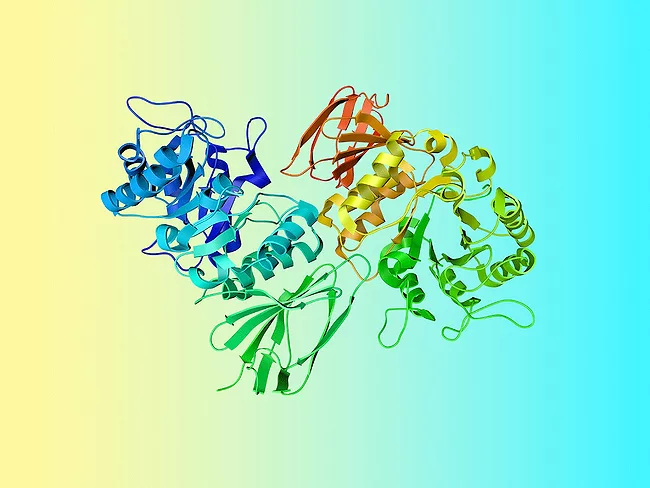
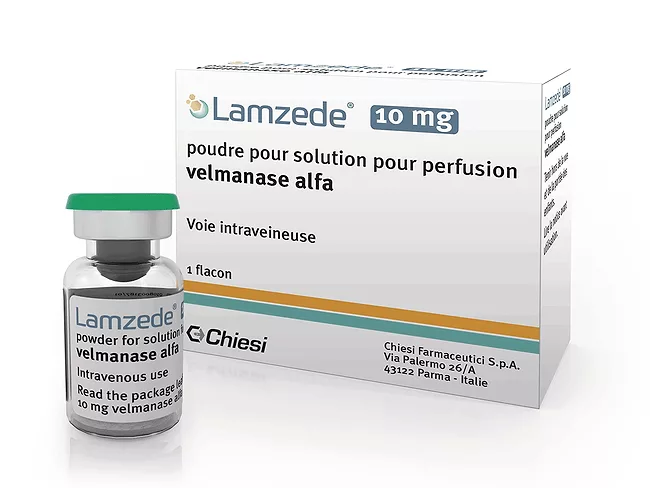
Chiesi Farmaceutici SpA scored U.S. FDA clearance of the enzyme replacement therapy (ERT) Lamzede (velmanase alfa-tycv) for non-central nervous system manifestations of alpha-mannosidosis (AM) in adult and pediatric patients. An ultra-rare, progressive lysosomal storage disorder, AM is caused by deficiency in the enzyme alpha-mannosidase. Lamzede is the first ERT to win approval in the indication, characterized by an inability to properly break down certain groups of complex sugars in the body’s cells.
The fortunes of Protalix Biotherapeutics Inc. improved dramatically with phase III results from the Fabry disease study called Balance, and a resubmission of the BLA for pegunigalsidase alfa (PRX–102) is planned for the second half of this year. In February, an MAA for PRX-102 was submitted to the EMA.
Protalix Biotherapeutics Inc. saw shares dip after releasing initial top-line data from an interim analysis of the phase III Balance clinical trial of pegunigalsidase alfa (PRX-102) to treat Fabry disease. The 24-month, randomized, double-blind, active control study is evaluating the safety and efficacy of 1 mg/kg of PRX-102 dosed every two weeks compared to agalsidase beta (Fabrazyme). Two of the study’s 78 patients dropped out because of treatment emergent adverse events and one left because of a related adverse event.
Shares of Protalix Biotherapeutics Inc. (NYSE:PLX) fell 33% to $3.93 on April 28 after the company reported receiving an FDA complete response letter (CRL) in answer to its BLA for pegunigalsidase alfa, a galactosidase enzyme replacement therapy it has long advanced for the potential treatment of Fabry disease.
Israel's Protalix Biotherapeutics Inc., the first company to gain FDA approval for a protein therapy produced by plant cell cultures in 2012, has moved one step closer to seeking FDA approval for a second such product with new phase III data supporting its experimental therapy for Fabry disease.