
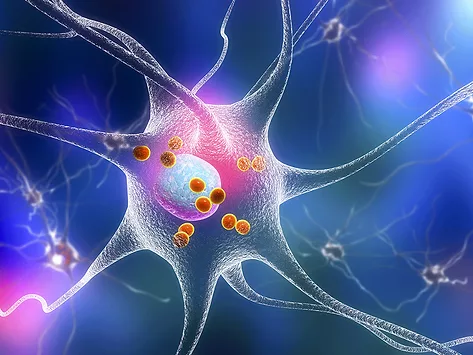
Latus Bio Inc. has reported IND clearance by the FDA for LTS-101, a gene therapy candidate to treat the CNS manifestations of late-infantile neuronal ceroid lipofuscinosis type 2 (CLN2) disease. The FDA has also granted orphan drug, rare pediatric disease and fast track designations to LTS-101.
A 24‑week pregnant woman fears for her unborn baby, who is developing with a sacrococcygeal teratoma so large and vascularized that it nearly surpasses the size of the fetus itself. Faced with this threat, surgeons operate inside the uterus in an open procedure that partially exposes the baby to remove the tumor and give the baby a chance to survive until birth. According to scientists presenting at the American Society of Gene & Cell Therapy's special meeting on Breakthroughs in Targeted In Vivo Gene Editing, this could be avoided.
The number of deaths caused by prion diseases reaches about 30,000 annually. Only 5 months pass from the diagnosis of seemingly healthy patients to the fatal outcome of this neurodegenerative condition, and just 1 month until quality of life is completely lost. Removing the brain protein that causes this genetic or infectious disorder could be achieved thanks to new gene-silencing techniques. At a special meeting of the American Society of Gene & Cell Therapy, in “AAV-mediated epigenetic editing for prion disease,” Sonia Vallabh presented not just the data of her research, but the impact of this disease on her family and on herself.