Vertex Pharmaceuticals Inc. has identified cystic fibrosis transmembrane conductance regulator (CFTR) modulators reported to be useful for the treatment of cystic fibrosis.
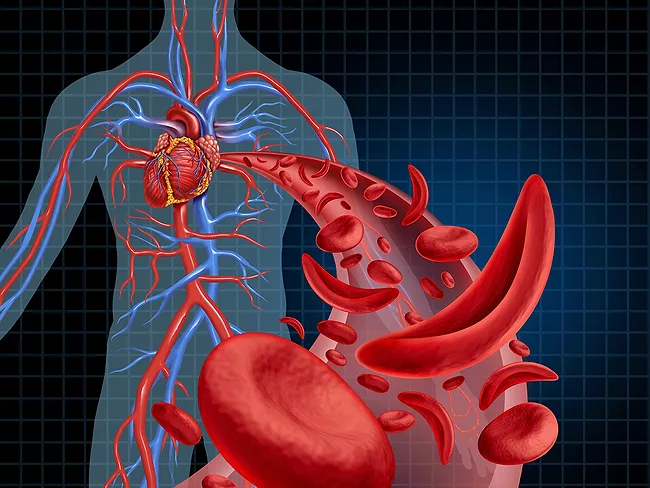
Had it been asked to, the FDA’s Cellular, Tissue and Gene Therapies Advisory Committee would have voted Oct. 31 to recommend approval of Vertex Pharmaceutical Inc. and Crispr Therapeutics AG’s exagamglogene autotemcel, or exa-cel, as a one-time transformative treatment for severe sickle cell disease in individuals 12 and older.
It’s just a discussion next week of Vertex Pharmaceuticals Inc. and Crispr Therapeutics AG’s sickle cell disease (SCD) therapy, with no vote expected from the U.S. FDA’s Cellular, Tissue and Gene Therapies Advisory Committee. The FDA isn’t questioning the drug’s efficacy as much as it is concerned about the effects of off-target editing.
Vertex Pharmaceuticals Inc. has divulged cystic fibrosis transmembrane conductance regulator (CFTR) modulators reported to be useful for the treatment of cystic fibrosis.
Vertex Pharmaceuticals Inc. has disclosed apolipoprotein L1 (APOL1) inhibitors reported to be useful for the treatment of focal segmental glomerulosclerosis and pancreatic cancer.
Vertex Pharmaceuticals Inc. has developed spirocyclic inhibitors of apolipoprotein L1 (APOL1) reported to be useful for the treatment of pancreatic cancer and focal segmental glomerulosclerosis.
Two years after a U.S. FDA advisory committee agreed that Celltrans Inc.’s pancreatic islet cellular therapy had a favorable risk-benefit profile, the agency has finally approved Lantidra (donislecel) for treating adults with type 1 diabetes.
Vertex Pharmaceuticals Inc. has identified 4-phenyl-2-(1H-1,2,3-triazol-4-yl)piperidin-4-ol derivatives acting as apolipoprotein L1 (APOL1) inhibitors reported to be useful for the treatment of pancreatic cancer, focal segmental glomerulosclerosis and renal disorders.
Barring truly major surprises, exagamglogene autotemcel (Exa-cel, Vertex Pharmaceuticals Inc.) is on track to become the first approved CRISPR-based gene editing therapy. It is partly in expectation of Exa-cel’s approval that the European Hematology Association (EHA) and the European Society for Bone Marrow Transplantation hosted a session on “transplantation versus gene therapy in sickle cell disease.”
Diogenx SAS raised €27.5 million (US$30.4 million) in a series A round to move a novel therapy for type 1 diabetes into clinical development. The Marseille, France-based company is building on the research of co-founder Patrick Collombat, an expert in beta-cell regeneration, who is based at the Insitute of Biology Valrose and the University Côte d’Azur, in Nice. Its lead drug candidate comprises a recombinant R-spondin protein, which acts on the Wnt/beta-catenin signal pathway to boost replication of endogenous functioning beta-cells.