Oxyntomodulin (OXM) is a peptide hormone released by intestinal L cells after food intake. It acts as a dual agonist of glucagon-like peptide 1 (GLP-1) and glucagon receptors, regulating appetite, energy expenditure and glucose metabolism. However, its short plasma half-life limits its therapeutic potential.
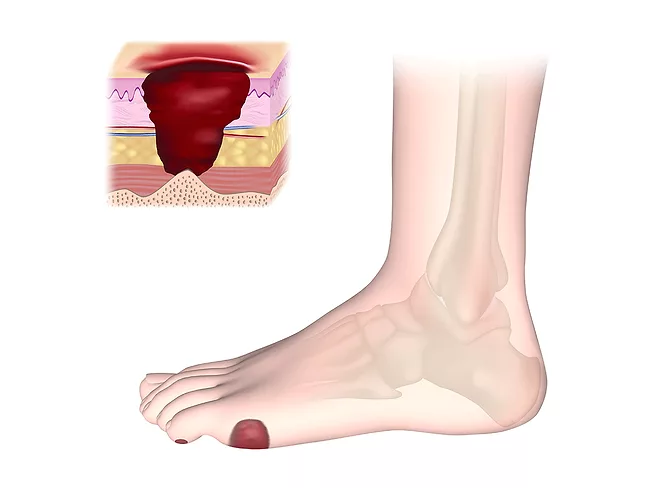
Eluciderm Inc. has received clearance from the U.S. FDA for its IND to conduct a phase I/IIa open-label study evaluating the safety and efficacy of ELU-42, a topical spray-on solution for open wound healing, in patients with diabetic foot ulcers (DFUs).
Insparin is a protein isolated from human adenovirus Ad36 that induces cellular glucose uptake without impacting safety. A preclinical study of insparin looked at its potential antidiabetic effects compared to those of pioglitazone.
Abvance Therapeutics Inc. secured an undisclosed amount of capital in a seed round led by Zubi Capital to support development of an insulin and glucagon combination product that the company has been in the process of developing for approximately 18 months. “We’re very excited that this round is able to get us positioned for a successful series A once we meet some internal confidential milestones,” Edward Raskin, CEO of Abvance, told BioWorld.
Researchers from Lifordi Immunotherapeutics Inc. have developed a novel antibody-drug conjugate (ADC) called LFD-200 that aims to selectively deliver a potent glucocorticoid (GC) payload directly to immune cells. This strategy may potentially offer a new way to treat autoimmune and inflammatory conditions while minimizing systemic toxicity.
Haisco Pharmaceutical Group Co. Ltd. has disclosed compounds acting as glucagon-like peptide 1 receptor (GLP-1R) agonists reported to be useful for the treatment of diabetes and obesity.
Chengdu Easton Biopharmaceuticals Co. Ltd. has described menin (MEN1)/KMT2A (MLL) interaction inhibitors reported to be useful for the treatment of cancer and diabetes.
In type 2 diabetes patients, inadequate hyperglycemic control can lead to insulin-secreting β-cell exhaustion, dedifferentiation and eventual loss. Since adult β cells have limited proliferative capacity, this final stage cannot be reversed.
Kadimastem Ltd. and Itolerance Inc. have held a type B pre-IND meeting with the FDA regarding the development of ITOL-102, an investigational biologic for the treatment and potential cure of type 1 diabetes that would not require life-long chronic immune system suppression. It comprises Kadimastem’s allogenic human stem cell-derived pancreatic islets (Isletrx cells) combined with Itolerance’s immunomodulator, ITOL-100.