In another boost to its diabetes portfolio, Medtronic plc was granted CE mark approval for its Simplera continuous glucose monitor (CGM) sensor. The EU greenlight for Simplera follows the U.S. FDA approval for Medronic’s Minimed 780G insulin pump system earlier in the year. Simplera is an all-in-one disposable CGM sensor which features a two-step insertion process and will help patients who must have multiple daily injections (MDI) manage their diabetes.
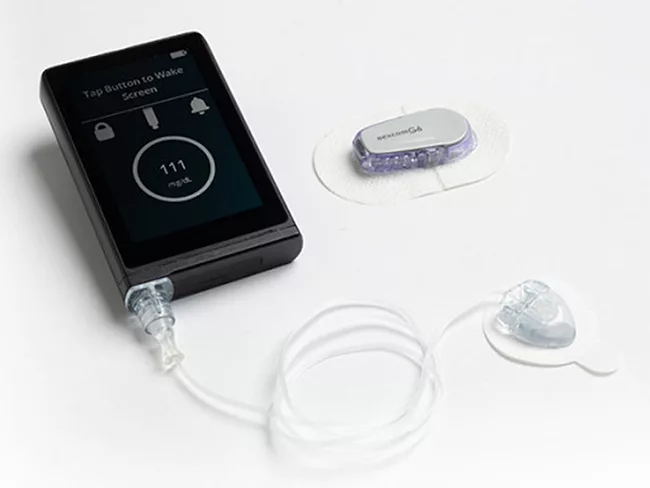
Aiming to provide additional utility and information to its continuous glucose monitors (CGMs), Dexcom Inc. is tying in the nutrition information provided by Rxfood Corp.’s app for customers in Canada. Clinics, hospitals, pharmacies, health plans, employers and others can make the app available to the beneficiaries and patients who use the Dexcom G6 or G7 systems, once the program is rolled out.
The contribution of the soluble form of urokinase-type plasminogen activator receptor (suPAR) as a risk factor for chronic kidney diseases (CKD) is well known. Researchers from Rush University Medical Center, Harvard Medical School and collaborators have now identified D2D3, a suPAR fragment, as responsible for causing double injury, both to the kidney and pancreas, thus resulting in glomerular disease and insulin-dependent diabetes.
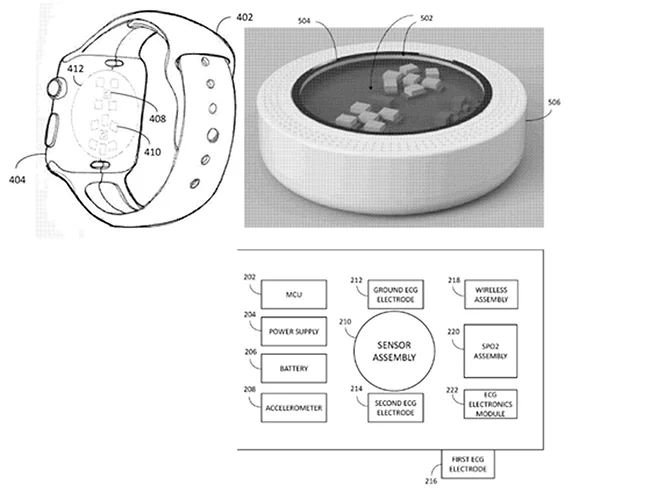
Medwatch Technologies Inc. reported a patent for the use of near infrared (NIR) spectroscopy, from collection of NIR LEDs surrounding a photo diode sensitive to wavelengths in the range 400 nm to 1650 nm, to noninvasively detect blood glucose concentrations, in a multi-sensing wearable device such as a watch or patch.
Abbott Laboratories took the next step in its years-long collaboration with Bigfoot Biomedical Inc. with the announcement after the market close on September 6 that it signed a definitive agreement to acquire the connected insulin cap maker. The financial terms of the transaction, which is expected to close this month, were not disclosed.
Researchers have created an artificial intelligence (AI)-enabled implantable bio-sensing device that can change shape and adapt to maintain drug treatment and bypass scar tissue build up. As the foreign body response continues to impact the longevity of implantable medical devices that treat many conditions, the researchers hope that the Fibrosensing Dynamic Soft Reservoir (FSDSR), capable of monitoring fibrotic capsule formation and overcoming its effects via soft robotic actuations, can change the way patients body respond to therapeutic treatments.
Researchers from the Institute of Translational Genomics at Helmholtz Munich have described a genetic overlap between type 2 diabetes (T2D), a disease that is also associated with obesity, and osteoarthritis, a degeneration of the joints that worsens with age and coincides in the factor risk of being overweight. The researchers used genetic data, multiomics and functional analysis of the tissues T2D and osteoarthritis express to identify which genes were associated and correlated with both diseases. They published their results on July 10, 2023, in The American Journal of Human Genetics.
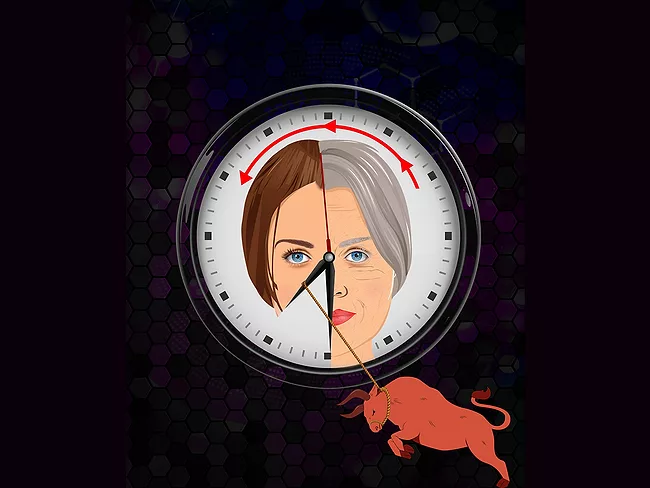
A nutritional supplement to reduce the effects of aging might not be a pill of eternal youth, but it could reduce many of the problems of getting old while maintaining good health. The first step to achieve this is included in a study led by scientists from Columbia University. They have set their sights on the amino acid taurine.
Medtronic plc agreed to acquire Eoflow Co. Ltd., the manufacturer of Eopatch, a tubeless, wearable and fully disposable insulin delivery service, for $738 million. The deal, which is expected to provide a significant boost to Medtronic’s beleaguered diabetes unit, is slated to close in the second half of 2023. The deal announcement coincided with Medtronic’s release of its fourth quarter results for fiscal 2023.
Beta Bionics Inc. received U.S. FDA clearance for its Ilet Bionic Pancreas, an automated insulin-delivery (AID) system that calculates 100% of insulin doses without requiring carb counting or manual boluses. The system—a pump plus dosing decision software—is indicated for people aged six years and up with type 1 diabetes.