The U.S. Senate and the House of Representatives have reintroduced the Verifying Leading-edge IVCT Development (VALID) Act, a bill that would authorize the FDA to regulate lab-developed tests (LDT). The question of the agency’s statutory authority to regulate LDTs is part of a long-running debate, but the immediate question is whether Congress will see fit to deal with the question this year rather than wait until 2022, when the next device user fee will require legislative authorization.
The latest global regulatory news, changes and updates affecting medical devices and technologies, including: Telehealth bill resurfaces in 117th Congress; OIG includes telehealth in FY 2021 workplan.
In an exclusive interview with BioWorld on the challenges facing a deeply divided Congress and some of the highlights of his years in the U.S. House, retiring Congressman Greg Walden (R-Ore.) said that once the COVID- 19 pandemic is over, federal policymakers should hold a summit with officials from states and major cities to look at a new preparedness partnership that would ensure the availability of strategic medical supplies.
To say a lot is riding on the Nov. 3 presidential and congressional election in the U.S. would be an understatement, as the outcome could impact drug pricing, patent reform, research spending and pandemic response and preparedness.
The COVID-19 pandemic has done little to encourage bipartisan comity in Washington, and the Oct. 2 hearing of the House Select Subcommittee on the Coronavirus Crisis reflected that partisan tension. Secretary of Health and Human Services Alex Azar noted, however, that the department is doing its best to cooperate with oversight of the vaccine program by the Government Accountability Office (GAO), but that the nearly three dozen GAO requests for oversight have come at a difficult time.
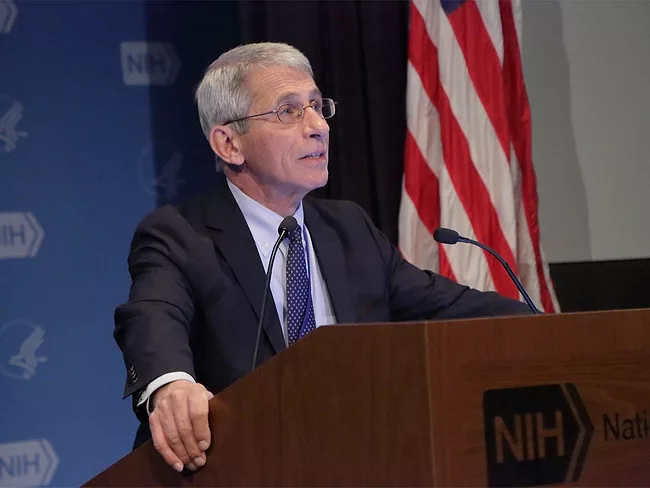
The issue of the U.S. federal government’s response to the COVID-19 pandemic was revisited yet again in a hearing in the House of Representatives. While partisanship was on full display, Anthony Fauci, director of the National Institute of Allergy and Infectious Diseases, said he is “cautiously optimistic” about the prospects for a vaccine and that the development of candidates has not compromised scientific principles.
“Our window of opportunity is closing. If we fail to develop a national coordinated response, based in science, I fear the pandemic will get far worse and be prolonged, causing unprecedented illness and fatalities,” Rick Bright, former director of the Biomedical Advanced Research and Development Authority, said today as he testified at a House subcommittee hearing on the U.S. response to COVID-19.
The push in Congress to drive down U.S. prescription drug costs has taken a backseat to all things COVID-19, but that reprieve for drug companies may be about to end as freshman members of the House urge their leaders to include drug pricing proposals in the next coronavirus relief bill.
With the CDC saying Tuesday that it’s not if but when COVID-19 becomes more widespread in the U.S., now is not the time to cut the budgets of programs and agencies in the Department of Health and Human Services (HHS).
The U.S. House of Representatives passed two spending packages that boosted funds for both the FDA and the NIH, but generic drug makers and device makers saw other benefits. The two bills not only repealed the medical device tax, but also would allow makers of biosimilars and generic drugs to sue brand names for blocking access to the index article, a move intended to tamp down on the cost of small-molecule pharmaceuticals and biotech therapies.