Methinks Software SL (dba Methinks.AI), a digital health company, is working on the U.S. FDA submission for its artificial intelligence (AI)-based stroke triage software, which will aid in the detection of acute stroke, after recently receiving CE mark certification.
Previa Medical SA will begin clinical trials later this year of its artificial intelligence software designed for early detection of sepsis after it raised €2.1 million (US $2.2 million) in seed funds.
The U.S. FDA granted 510(k) clearance to Hyperfine Inc. for improved artificial intelligence (AI)-powered software for its Swoop portable magnetic resonance imaging (MRI) device. The company launched the new software this week.
The U.S. FDA raised some hackles with its final guidance for clinical decision support (CDS) software, thanks to provisions that some stakeholders argued flew against congressional intent regarding the regulatory status of some device functions. That final guidance is now the target of a petition by the CDS Coalition to withdraw and rewrite the final guidance, arguing that the agency is “doing an end run” around the limitations established by Congress regarding the FDA’s oversight of software as a medical device (SaMD).
The U.S. FDA recently posted the regulation for software used to derive vital signs from optical camera images thanks to a successful de novo petition by Oxford, U.K.-based Oxehealth Ltd., a regulation that carries the usual requirements for software verification and validation. However, the regulation also requires some human factors engineering (HFE) studies of the software interface, a requirement that may become more demanding to fulfill per a recent draft guidance on the subject.
New York-based Paige.AI Inc., was successful in its de novo application to the U.S. FDA for the company’s digital pathology software for identification of cancerous prostate tissue, but the agency needed nearly a year and a half after the September 2021 grant of de novo petition to post the regulation for this novel algorithm.
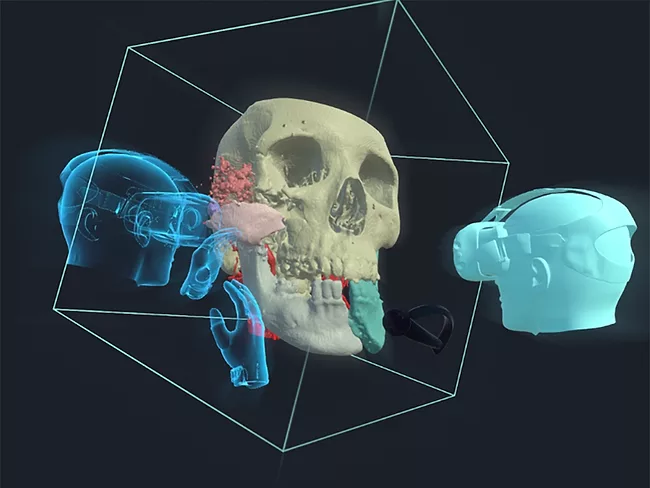
Ottawa-based start-up Realize Medical Inc. reported U.S. FDA clearance of virtual reality (VR) surgical planning software to help physicians create and share complex patient anatomy from CTs and MRIs in an immersive 3D environment. Company CEO Justin Sutherland told BioWorld clearance of the Elucis platform “is a crucial milestone” that will benefit hospitals and his company well into the future.
Computational modeling and simulation (CM&S) isn’t the new flavor of the month in the medical device industry, but it hasn’t exactly achieved the status of a buzzword, either. However, the Medical Device Innovation Consortium (MDIC) has published a report which makes clear that these software tools are continuing to open new frontiers in device development, a trend that seems certain to continue to expand in the decades ahead as to-market costs continue to grow.
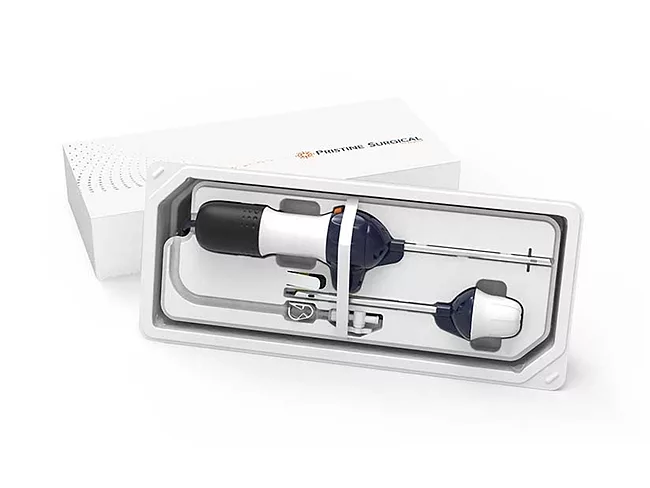
The U.S. FDA has cleared a first-of-its-kind 4K single-use arthroscope developed by Pristine Surgical LLC to improve the efficiency, consistency, and safety of arthroscopic procedures. The single-use Summit surgical arthroscope is said to deliver a high-definition image using a simple set up and automated inventory management system for improved predictability and workflow.
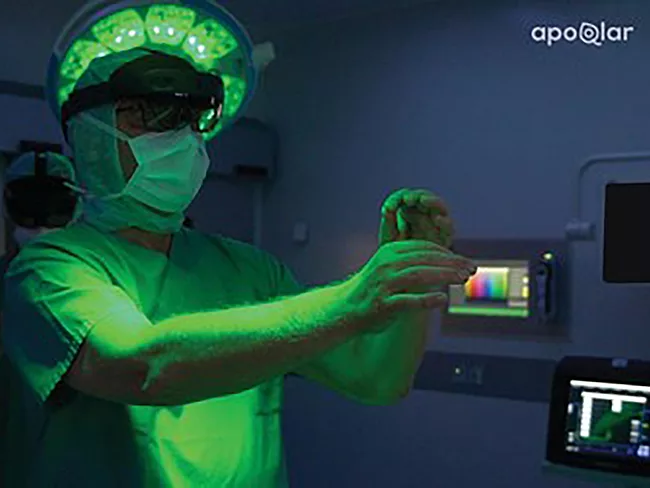
Apoqlar GmbH received a green light from the FDA for its VSI Holomedicine, a mixed reality software enabling surgeons to plan procedures in an immersive 3D experience. The company expects to release the technology for clinical use in the U.S. in the second quarter of 2023.