The receptor tyrosine kinase-like orphan 1 (ROR1) is a transmembrane protein expressed during embryonic development. Moreover, it is highly expressed on the surface of several cancer cell types, including B-cell malignancies and solid tumors such as triple-negative breast cancer (TNBC). Researchers from The University of Queensland and collaborating institutions recently reported the development of a single-chain fragment variable (scFvs) specifically targeting the membrane proximal region of ROR1 rather than the Ig-like domain, aiming to reduce cross-reactivity with other surface proteins expressed in normal tissues.
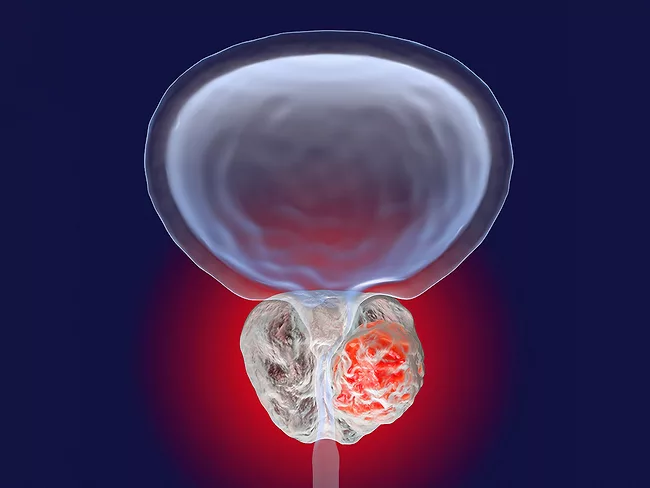
Critical Path Institute’s Translational Therapeutics Accelerator has invested in the development of QED-203 for advanced and therapy-resistant prostate cancer. Based on research at the University of Queensland’s School of Pharmacy and Pharmaceutical Sciences, QED-203 is being developed by the Queensland Emory Drug Discovery Initiative.
Researchers from the University of Queensland recently provided details on the discovery and preclinical characterization of a new hematopoietic prostaglandin D2 synthase (HPGDS) inhibitor, CLS-189, being developed for the treatment of Duchenne muscular dystrophy (DMD).
Scientists at Medical University of Vienna, The University of Queensland and Universität Innsbruck have identified cysteine stapled dynorphin A (CSD) analogues acting as κ-opioid receptor antagonists reported to be useful for the treatment of anxiety disorders, depression, substance abuse and dependence, and stress disorders.
Khalifa University and The University of Queensland presented preclinical data for a novel acid-sensing ion channel 1 (ASIC1) inhibitor, Hi1a, evaluated in models of multiple sclerosis (MS).
The TRPV6 calcium channel is overexpressed in several types of cancer deriving from epithelia where calcium control is unbalanced, such as prostate, colon or breast cancer, among others.
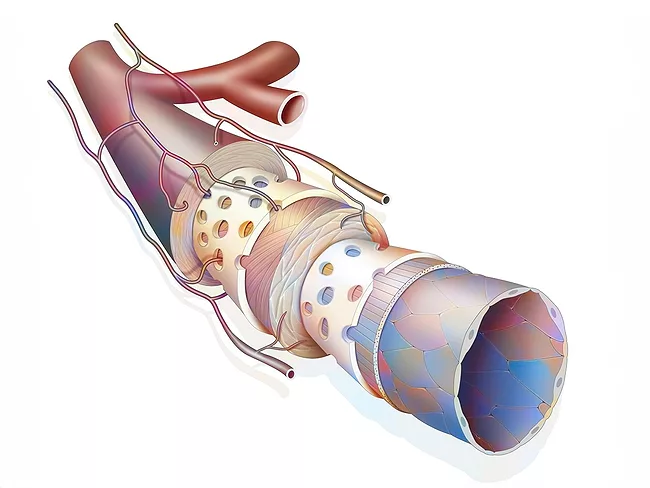
Sepsis occurs when there is a dysregulated host response to infection, resulting in organ dysfunction. According to the Global Burden of Disease study, about 50 million people annually worldwide develop severe sepsis or septic shock, and 11 million of them die. Growing evidence suggests that changes to the vascular endothelium, which becomes more permeable to fluid, protein and inflammatory cells, are behind the pathogenesis of sepsis and septic shock.
Researchers from the University of Queensland and affiliated organizations recently presented preclinical data for the novel C3a receptor (C3aR) antagonist JR-14a, being developed as a neuroprotective agent for the treatment of post-stroke neuroinflammation.
Australia has a lot to celebrate when it comes to vaccines. The University of Queensland is where Ian Frazer invented the human papillomavirus vaccine Gardasil, and now Australia is projected to be the first in the word to eliminate cervical cancer, Queensland Deputy Premier Steven Miles said during the Ausbiotech 2023 conference held Nov. 1-3 in Brisbane, Australia.
Australia has a lot to celebrate when it comes to vaccines. The University of Queensland is where Ian Frazer invented the human papillomavirus vaccine Gardasil, and now Australia is projected to be the first in the word to eliminate cervical cancer, Queensland Deputy Premier Steven Miles said during the Ausbiotech 2023 conference held Nov. 1-3 in Brisbane, Australia.