Makers of medical devices and pharmaceuticals face a significant risk of product liability litigation, but the use of third-party funding of such lawsuits is a novelty in the U.S. relative to some other Western nations. Nonetheless, a new report by the U.S. Government Accountability Office (GAO) makes clear that third-party litigation funding is an increasing common practice that seeks to include uninjured parties in mass tort litigation, thus endangering the fortunes of those who invest in life science companies.
Four members of the U.S. Senate have inked a draft bill that would require the FDA and the Patent and Trademark Office (PTO) to set up a task force designed to improve communication between the two agencies. This would appear to replicate a bill introduced during the 117th Congress, but not ultimately passed, and there is little clarity this early in the legislative cycle as to the prospects for this latest iteration.
Makers of medical devices and pharmaceuticals face a significant risk of product liability litigation, but the use of third-party funding of such lawsuits is a novelty in the U.S. relative to some other Western nations. Nonetheless, a new report by the U.S. Government Accountability Office (GAO) makes clear that third-party litigation funding (TPLF) is an increasing common practice that seeks to include uninjured parties in mass tort litigation, thus endangering the fortunes of those who invest in life science companies.
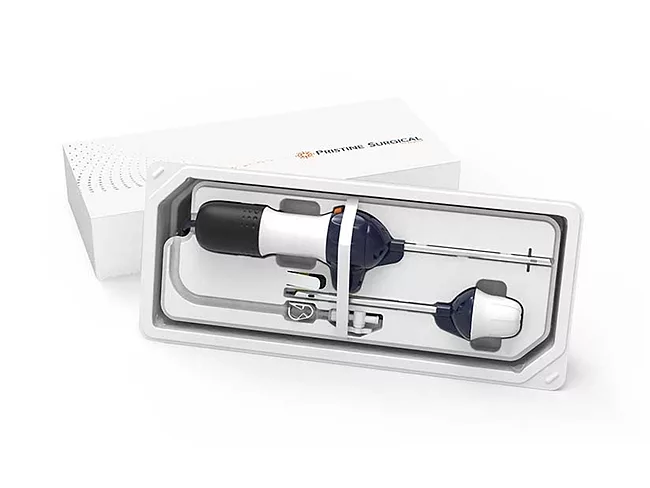
The U.S. FDA has cleared a first-of-its-kind 4K single-use arthroscope developed by Pristine Surgical LLC to improve the efficiency, consistency, and safety of arthroscopic procedures. The single-use Summit surgical arthroscope is said to deliver a high-definition image using a simple set up and automated inventory management system for improved predictability and workflow.
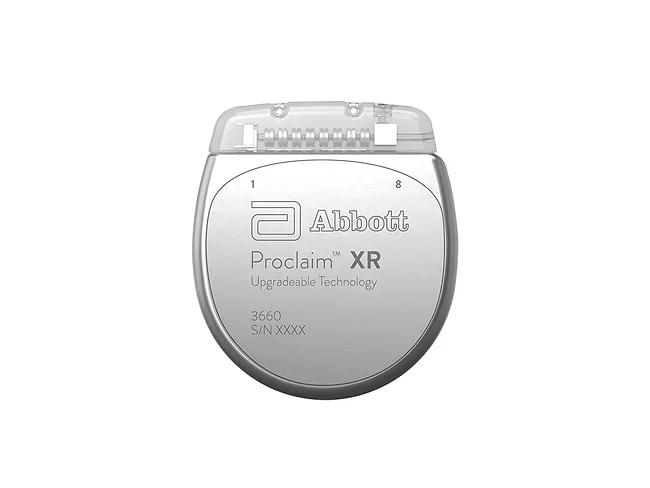
The U.S. FDA approved the Proclaim XR spinal cord stimulation system by Abbott Laboratories for painful diabetic peripheral neuropathy (DPN). The system offers an alternative to patients for whom oral medications do not provide sufficient relief. About half of individuals with diabetes will eventually develop peripheral neuropathy which primarily damages the nerves running down the legs to the feet.
Fraud perpetrated on U.S. federal health care programs is the stuff of nightmares among U.S. enforcement agencies, and yet another pair of fraudsters have been rounded up by the Department of Justice (DOJ).
More than one U.S. federal government agency is tasked with keeping track of fraud and abuse of federal health programs, but a new report by the Government Accountability Office (GAO) suggests there is more work to be done. The GAO report said that one of the key issues with fraud and abuse writ broadly is that the terms and definitions are used inconsistently, and that a fix for this and other problems might capture more fraud, which may in turn indirectly put more medical device makers at risk for such allegations.
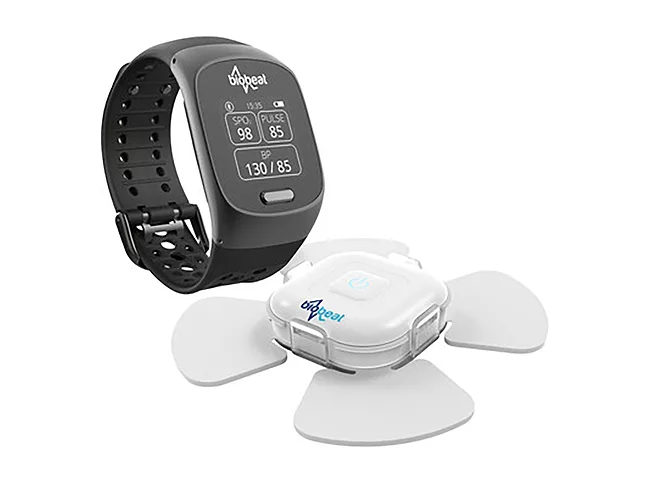
Biobeat Technologies Ltd. expanded its U.S. FDA-cleared remote patient monitoring offerings with a double nod from the agency for its sensors to monitor stroke volume and cardiac output. The two new indications join its capabilities for measuring the five vital signs assessed in any medical visit—blood pressure, blood oxygen saturation, pulse rate, respiratory rate and body temperature—all of which can be done using photoplethysmography (PPG) on sensors embedded on either a short-term chest patch or a more durable wrist monitor.
Depuy Synthes Inc., of Raynham, Mass., has agreed to pay $9.75 million to settle allegations that several members of its sales team had induced an orthopedic surgeon to use the company’s products in orthopedic procedures by offering free implants and surgical instruments. The fine comes under the guise of a False Claims Act violation but might have been substantially larger but for the fact that Depuy reported the issue to federal authorities.
For the second time in recent weeks, Apple Inc. has come out on the losing side of a patent dispute adjudicated by the U.S. International Trade Commission (ITC), this time at the hands of Masimo Corp. While an ITC administrative law judge (ALJ) found for Masimo in connection with one of the company’s patents, Cupertino, Calif.-based Apple was cleared of any infringement in connection with four other Masimo patents, and the ITC has yet to officially declare what sort of remedy it will impose on Apple over the dispute with Irvine, Calif.-based Masimo.