The U.K. is mulling over whether to recognize U.S. FDA approvals of medical devices as part of moves to accelerate the implementation of its post-Brexit regulatory system.
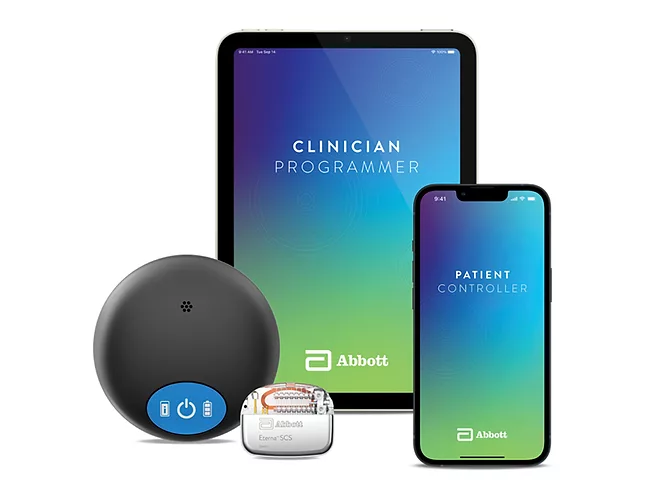
Building on the U.S. FDA approval of its Proclaim Plus spinal cord stimulation (SCS) system in August, Abbott Laboratories notched another approval with the FDA’s greenlight of the Eterna spinal cord stimulation system.
Chinese authorities this year for the first time allowed access for complete U.S. Public Company Accounting Oversight Board (PCAOB) audit inspections and investigations of PCAOB-registered public accounting firms headquartered in China and Hong Kong, in accordance with U.S. securities law.
Responding to concerns about corporate insider trading, especially among life sciences companies, the U.S. SEC unanimously adopted final rules Dec. 14 establishing a 90-day cooling-off period before trades can be made under 10b5-1 plans that provide a safe harbor to insider trading.
The U.S. CMS has posted a second draft rule that would streamline prior authorizations by Medicare Advantage insurers, a move sure to draw support from patients and clinicians alike. This would be achieved by requiring that payers adopt the Health Level 7 interoperability standard, a requirement that may take every bit of the three years to achieve before a final rule would go into effect under the terms of the proposed rule.
The latest U.S. Federal Trade Commission (FTC) hearing on the merger between Illumina Inc., and Grail Inc., highlighted some sharp disagreements over the impact of the transaction on the market for multi-cancer early detection (MCED) tests, but Illumina has vowed to take steps to blunt any such effects in an open offer.
Biocorp Production SA has been awarded 510(k) clearance from the U.S. FDA to market Mallya as a medical device that connects insulin pens. The news, out on Dec. 8, led Biocorp’s stock price to jump 32.69% to $21.52.
The U.S. Office of Inspector General examined the volume of tests for allergies and respiratory pathogens conducted during the COVID-19 pandemic, and found a few outlier testing labs that billed a conspicuous volume of such tests. While the agency recommended that the CMS examine these claims more closely, the results also suggest that enforcement action may be en route for the more than 160 labs identified as having filed a higher than typical volume of claims for these tests.
The conviction and sentencing of Elizabeth Holmes and Sunny Balwani of Theranos Corp. might be seen as an example of retribution for testing technology that didn’t exist and thus endangered patients, but that perception doesn’t stand up to scrutiny.
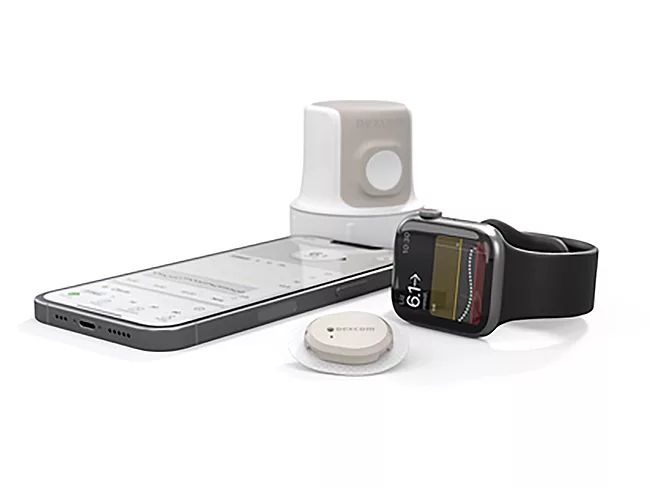
Dexcom Inc. ends 2022 on a high note with broad clearance from the U.S. FDA for its G7 continuous glucose monitoring system (CGM). The long-awaited 510(k) clearance encompasses use in people with all types of diabetes age two and older, positioning Dexcom to take advantage of expanded coverage of CGMs to include individuals on basal insulin-only for Medicare beneficiaries as proposed by CMS in October.