Cybersecurity has become one of the core concerns for med tech in this part of the 21st Century, and a collaboration between the FDA and the Mitre Corp., has yielded a new playbook that calls for a regional response to issues such as ransomware. However, this new document calls on medical device manufacturers to take part in cybersecurity exercises along with health care delivery organizations, an exercise that some manufacturers might not be prepared to undertake.
The U.S. Department of Health and Human Services (HHS) has issued a bulletin in connection with the Venus ransomware, the latest in a running series of such malware to hit computer systems across the globe.
After years of dialogue between the U.S. FDA and industry, the agency’s long-awaited draft guidance for computer software assurance (CSA) for manufacturing facilities signaled a new, less cumbersome approach to validating these systems. However, drug and device manufacturers registered concerns about a lack of clarity in the draft, including 23andMe Holding Co., which said the draft’s references to methods that merely “help to fulfill” validation requirements leave too much gray area to be helpful.
Acotec Scientific Holdings Ltd. obtained marketing approval from the U.S. FDA for its peripheral support catheter Vericor, designed to enhance access to peripheral vessels.
Patients with ophthalmic disease use eyedrop containers and eyecups millions of times a year, but these two devices have been treated as one device type and informally regulated as class II devices up to now. A U.S. FDA advisory committee recommended a class I designation for these products, which will relieve some of the burden on manufacturers, but the panel also endorsed that these two types of products be split into two separate product codes, which would greatly facilitate adverse event reporting.
The U.S. FDA has wrapped up its guidance effort to deal with counterfeit devices, an effort that consumed roughly 11 months. That span of time had little discernible effect on the draft, however, as the final guidance seems to leave the draft’s explanation that future FDA guidances may refer to more than one section of the statute in references to the definition of a device.
The U.S. FDA recently convened an advisory committee to address accuracy issues with pulse oximetry devices, with a significant focus on skin pigmentation as a source of noise in the results generated by these class II devices. However, a number of other factors, including obesity and finger size/diameter, also cloud the values generated by pulse oximeters, all of which combine into a large set of variables that premarket studies may have to address before the FDA will issue new marketing authorizations.
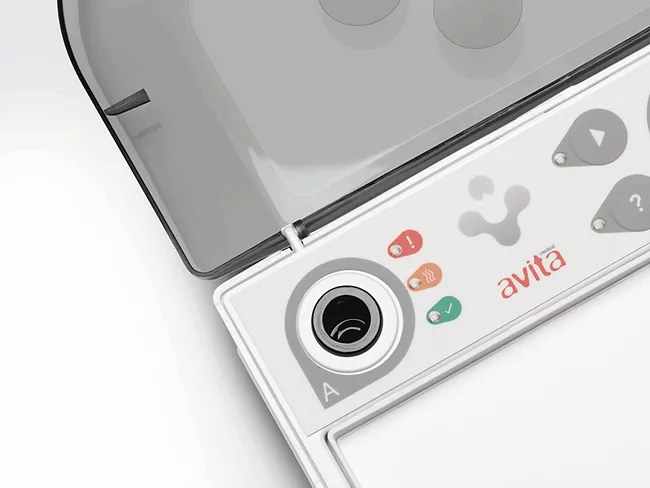
Avita Medical Ltd.’s Recell system won FDA breakthrough device designations in soft tissue repair and vitiligo. Melbourne-headquartered Avita, a regenerative medicine company developed the Recell system, a technology platform that enables point-of-care autologous skin restoration.
The U.S. FDA held a two-day advisory hearing in the last week of October 2022 to address some lingering regulatory questions, including the question of whether therapeutic nail prostheses should be a class I device. The potentially more dramatic shift, however, would be the application of a class III risk designation to tissue expanders used in breast surgery.
The U.S. CMS had the usual mix of good news and bad news in its hospital outpatient final rule for calendar year 2023, which served up a plate of bad news for Brainscope Inc. and Elucent Medical Inc., which will enjoy no new technology pass-through (NTPT) payments in the coming year for their applications. Conversely, Carlsmed Inc. and Microtransponder Inc. both came out of the annual NTPT scrum with wins, thus ensuring they’ll be able to more rapidly recapture their med tech investments.