The redacted interim report released July 9 of an ongoing FTC investigation into pharmacy benefit managers (PBMs) shed little, if any, new insight into PBM practices and how they impact availability and pricing of prescription drugs in the U.S.
Through a global rights agreement with Futuregen Biopharmaceutical Co. Ltd., Abbvie Inc. continues to build its immunology portfolio to help offset losses from Humira as biosimilars tighten their grip on the mega-blockbuster.
Through a global rights agreement with Futuregen Biopharmaceutical Co. Ltd., Abbvie Inc. continues to build its immunology portfolio to help offset losses from Humira as biosimilars tighten their grip on the mega-blockbuster.
In lieu of pending guidance, the U.S. FDA’s approval May 20 of Biocon Biologics Ltd.’s Yesafili and Samsung Bioepis Co. Ltd.’s Opuviz as interchangeable biosimilars to Regeneron Pharmaceuticals Inc.’s Eylea (aflibercept) provides further insight into how the agency is approaching the market exclusivity the Biologics Price Competition and Innovation Act awards to the first approved interchangeable for any given biologic.
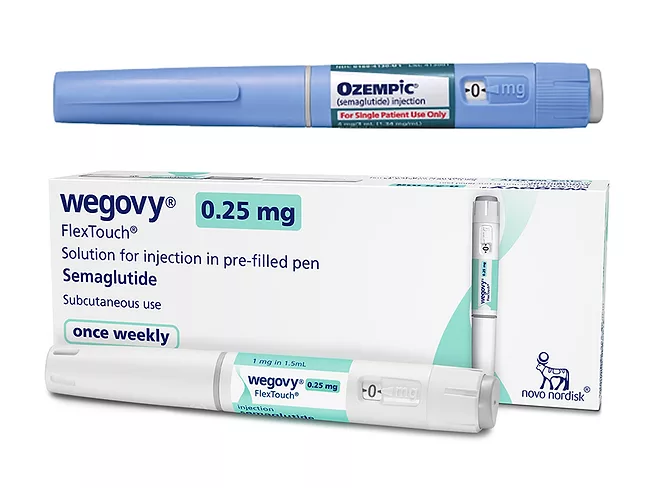
There was a time not that long ago when Merck & Co. Inc.’s Keytruda (pembrolizumab), with its multiple cancer indications, was seen as the heir apparent to Humira’s title of the biggest blockbuster drug. Not anymore. That title now belongs to Novo Nordisk A/S’ semaglutide, approved as Ozempic in 2017 to treat diabetes and as Wegovy in 2021 to help with weight loss.
Samsung Bioepis Co. Ltd. and Celltrion Inc. are making headway in Europe and U.S. with respective follow-on biologic products, with Samsung Bioepis the latest to gain EMA approval for Pyzchiva, a Stelara (ustekinumab, Janssen Pharmaceuticals Inc.) biosimilar, on April 23.
Having addressed the manufacturing issues that resulted in a few complete response letters, Alvotech Holdings SA and Teva Pharmaceutical Industries Ltd.’s biosimilars partnership is now on a roll, with the U.S. FDA approving the team’s second biosimilar, Selarsdi, less than two months after approving the first one, Simlandi, as an adalimumab interchangeable.
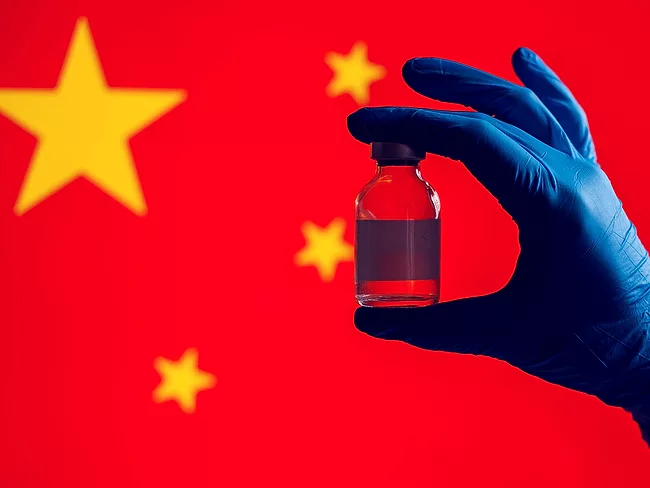
The timing is ripe for a robust biosimilar market in China, given the rapid increase of novel biologics approved to treat cancer and inflammatory diseases in the country over the past decade and the looming patent cliffs for several established biologics. As of December, the NMPA had approved more than 20 biosimilars that were developed in China. Most of those referenced just two biologics – Roche AG’s cancer drug Avastin (bevacizumab) and Abbvie Inc.’s immunology drug Humira (adalimumab). In 2022, the oncology and immunology biosimilar market in China garnered sales of about $2 billion, according to Clarivate estimates. To reach their full potential in China though, biosimilars must win over prescribers and patients.
The timing is ripe for a robust biosimilar market in China, given the rapid increase of novel biologics approved to treat cancer and inflammatory diseases in the country over the past decade and the looming patent cliffs for several established biologics. As of December, the NMPA had approved more than 20 biosimilars that were developed in China. Most of those referenced just two biologics – Roche AG’s cancer drug Avastin (bevacizumab) and Abbvie Inc.’s immunology drug Humira (adalimumab). In 2022, the oncology and immunology biosimilar market in China garnered sales of about $2 billion, according to Clarivate estimates. To reach their full potential in China though, biosimilars must win over prescribers and patients.
Abbvie Inc.’s blockbuster drug Humira is getting a 10th challenger that could give all the other adalimumab biosimilars a run for their money – depending on pricing and formulary coverage, of course. After delays caused by the COVID-19 pandemic and manufacturing issues, the U.S. FDA approved Simlandi, previously known as AVT-02, as a Humira biosimilar and interchangeable Feb. 23.