Treating sooner in the disease course – “hit them hard, hit them early,” as CEO Tahir Mahmood put it – may change outcomes for the better with AMT-101, the candidate from Applied Molecular Transport Inc. (AMT) tested in a combo trial against ulcerative colitis (UC), officials said during a conference call with investors.
Although broader use of biosimilars in the U.S. would reduce Medicare Part D spending and save beneficiaries nearly $2 million in out-of-pocket costs, plan formularies continue to discourage the use of the more affordable follow-ons, according to a recent report from the Department of Health and Human Services’ Office of Inspector General.
Moonlake Therapeutics AG is making headway on its mission to establish a broad dermatology and rheumatology franchise around its sole product, sonelokimab, announcing it is poised to start a phase II study in hidradenitis suppurativa.
2023 may be a pivotal year for biosimilars in the U.S. with a number of approved Humira (adalimumab) biosimilars set for staggered launches under agreements with Abbvie Inc. How successful those launches are, including the launch of Boehringer Ingelheim GmbH’s interchangeable, Cyltezo, and potential other interchangeables, will be determined in large part by three pharmacy benefit managers that together control the prescription drug formularies for nearly 80% of Americans covered by Medicare and private insurance.
There’s nothing like beginning-of-the-year price increases to turn up the heat on the prescription drug pricing debate in the U.S. This year is no exception. Citing a mean price increase of 5.1% on brand drugs in the first 25 days of 2022, 13 Democratic lawmakers, led by Sen. Elizabeth Warren (D-Mass.), wrote this week to Steven Ubl, president and CEO of the Pharmaceutical Research and Manufacturers of America, demanding an explanation for those hikes.
Even as the U.S. Congress continues to kick the can down the road on prescription drug pricing, pressure to finally confront the issue is increasing. But as lawmakers debate price controls via direct Medicare negotiations vs. innovation, along with inflationary caps on price increases, one factor often gets downplayed: the role biologics are playing in the country’s overall spend on prescription drugs. While generics account for 90% of the drugs prescribed in the U.S., the other 10% of drugs prescribed account for more than 80% of the annual spending, according to the Association for Accessible Medicines.
The U.S. International Trade Commission (USITC) reported Jan. 26 that it will investigate whether Alvotech Hf and Teva Pharmaceutical Industries Ltd. misappropriated trade secrets when developing a potential interchangeable biosimilar to Abbvie Inc.’s mega-blockbuster, Humira (adalimumab).
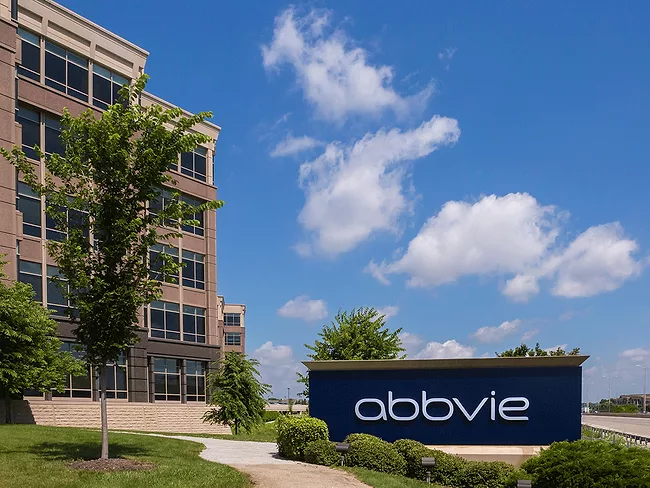
With licensed Humira (adalimumab) biosimilar competition a little more than a year away in the U.S., Abbvie Inc. is trying to fend off competitors that have not signed an agreement with the North Chicago-based company.
With the U.S. biosimilar pathway clearly developed, industry and the FDA are turning their attention to interchangeables in the third iteration of the biosimilar user fee agreement (BsUFA).
The U.K.’s Medicines and Healthcare Products Regulatory Agency (MHRA) joined the JAK inhibitor pile-on Oct. 6 with new measures to reduce the risk of major heart problems and malignancies in people taking Pfizer Inc.’s Xeljanz (tofacitinib).