It was a mixed day for Daewoong Pharmaceutical Co. Ltd., which disclosed separately on March 28 both the termination of a $336 million licensing deal with CS Pharmaceuticals Ltd. and upbeat plans to unveil three new oncology assets at the upcoming American Association for Cancer Research in April.
Elevation Oncology Inc. has nixed its lead pipeline product, a claudin 18.2 antibody-drug conjugate (ADC) called EO-3021, on disappointing phase I data, sending shares tumbling by 42% and placing its preclinical HER3 ADC to the forefront of development.
Axcynsis Therapeutics Pte Ltd. has described antibody-drug conjugates comprising an antibody or antigen-binding fragment targeting alkaline phosphatase placental type (ALPP) and/or alkaline phosphatase, germ cell type (ALPPL2) covalently linked to a cytotoxic agent through a linker reported to be useful for the treatment of cancer.
Shenzhen Zhongge Biotechnology Co. Ltd. has synthesized serine/threonine-protein kinase ULK1 inhibitors reported to be useful for the treatment of cancer, lymphangioleiomyomatosis and tuberous sclerosis.
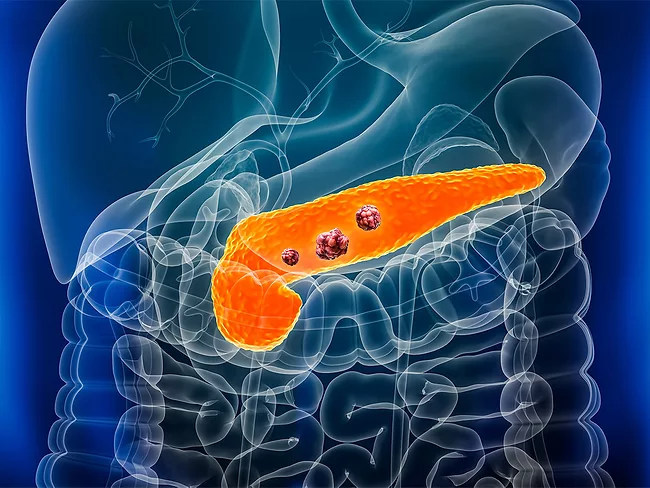
Pancreatic cancer is still among the most lethal cancers, with >45% of patients presenting distant metastasis at diagnosis, and with a 5-year survival rate of 13%. Known for its role in appetite and energy homeostasis, neuropeptide Y (NPY) is the most common neuropeptide in the central and peripheral nervous system, acting through its receptor NPY1R, among others.
Mindrank Therapeutics (Suzhou) New Drug Research & Development Co. Ltd. has disclosed cellular tumor antigen p53 (TP53) (Y220C mutant) stabilizers reported to be useful for the treatment of cancer.
Silexion Therapeutics Corp. has completed its initial study evaluating SIL-204 in orthotopic pancreatic cancer models. SIL-204 is a next-generation siRNA candidate designed to target a broad range of KRAS mutations.
The lung and thrombosis may play a key role in cancer and metastasis progression, according to a collaborative study led by Cornell University scientists.
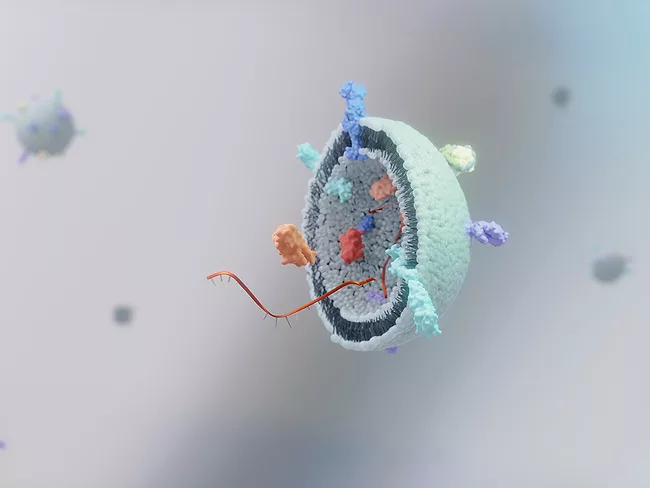
The lung and thrombosis may play a key role in cancer and metastasis progression, according to a collaborative study led by Cornell University scientists. In the nonmetastatic lung microenvironment of several cancer types, the development of a prothrombosis niche promotes metastasis formation through the release of small extracellular vesicles loaded with an integrin protein.
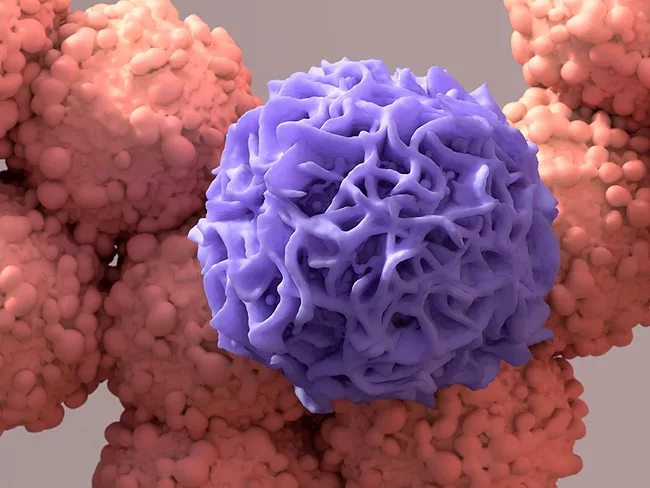
Solid tumors are difficult to treat due to their heterogeneity and limited blood supply, which restrict the effective delivery of anticancer drugs. Macrophages are abundant in solid tumor tissues and are the only cell type actively infiltrating hypoxic tumor regions, making them a promising option for delivering therapeutic agents directly to tumors.