CDR-Life Inc. has announced CDR-609 as its next clinical candidate. Built on the company’s proprietary M-gager platform, CDR-609 is a novel T-cell engager targeting LGR5, a surface antigen widely expressed on common solid tumors, including colorectal, gastric, liver and pancreatic cancers.
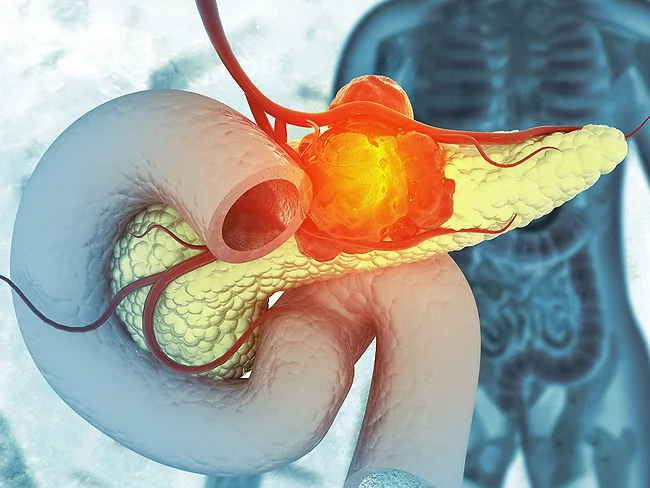
Immuneering Corp.’s phase IIa data from an ongoing trial in pancreatic cancer disclosed June 17 impressed Wall Street and brought renewed attention to the perennially difficult indication, at which drug developers continue to fling themselves with varied mechanisms.
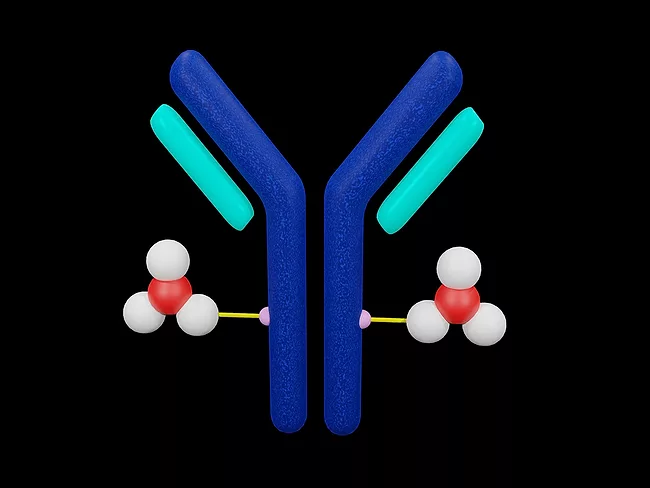
Medicovestor Inc.’s Adobind MC-001 has been awarded orphan drug designation by the FDA for the treatment of pancreatic cancer. Adobind MC-001 is a chemoimmunotherapy antibody-drug conjugate that integrates proprietary enhancements to antibody structure, payload delivery and tumor engagement.
Sunrock Biopharma SL and Shanghai Escugen Biotechnology Co. Ltd. have joined forces in a strategic partnership to codevelop SRB-123, a first-in-class antibody-drug conjugate (ADC) targeting C-C motif chemokine receptor 9 (CCR9), a tumor-associated antigen overexpressed in multiple solid tumors, including pancreatic, ovarian and lung cancer.
Betta Pharmaceuticals Co. Ltd. has described proteolysis targeting chimera (PROTAC) compounds comprising a VHL-binding agent coupled to a GTPase KRAS-targeting moiety through a linker acting as KRAS degradation inducers reported to be useful for the treatment of cancer.
Kumquat Biosciences Inc. has described compounds acting as GTPase KRAS wild-type and mutant inhibitors reported to be useful for the treatment of cancer.
At the 61st American Society of Clinical Oncology (ASCO) Annual Meeting, multiple companies presented clinical trial data showing their drugs and devices helped patients with pancreatic cancer live longer or improve their ability to respond to treatment.
Silexion Therapeutics Corp. has released preclinical data demonstrating the efficacy of its next-generation RNA interference (RNAi) therapeutic candidate, SIL-204, against human pancreatic, colorectal and lung cancer cell lines.