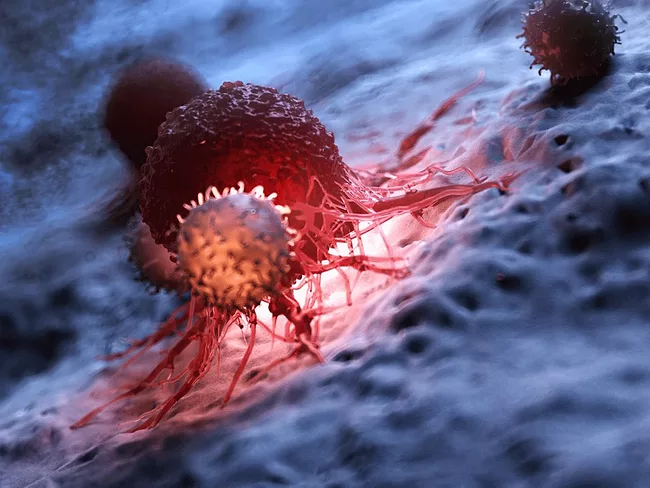
A team of scientists from KTH Royal Institute of Technology and Karolinska Institutet has reported the development and characterization of a new class of small non-immunoglobulin affibody proteins that bind to the highly glycosylated human carcinoembryonic antigen-related adhesion molecule 5 (CEACAM5, CEA) with high affinity.
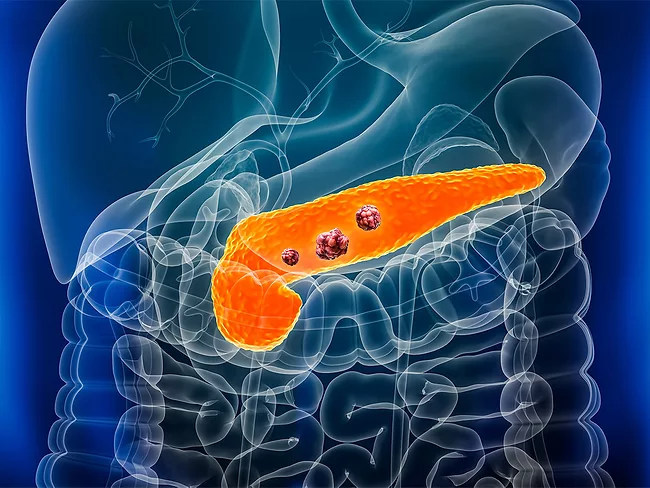
Tango Therapeutics Inc. plans a pivotal study next year in second-line MTAP-deleted pancreatic ductal adenocarcinoma based on positive phase I/II data with next-generation MTA-cooperative PRMT5 inhibitor vopimetostat (TNG-462) in patients with tumors of that type.
In a recent publication in iScience, researchers from Peking University First Hospital investigated the therapeutic potential of SLC7A11 CAR T therapy for solid tumors, particularly colorectal and pancreatic cancers.
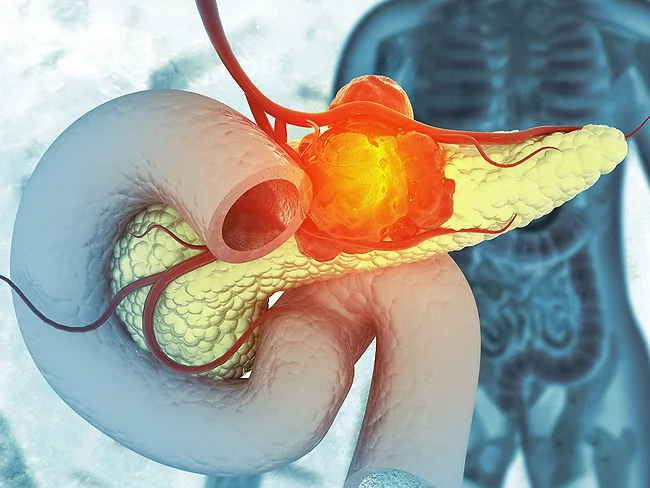
Pancreatic ductal adenocarcinoma (PDAC) is one of the most aggressive and deadly forms of cancer, with a 5-year relative survival rate of only 13%. To understand cell fate decisions and progression in PDAC, it is crucial to clarify the communication networks between tumor cells.
Astellas Pharma Inc. reported Oct. 14 that its CLDN18.2-targeting monoclonal antibody, zolbetuximab (Vyloy), did not meet the primary endpoint of overall survival in the phase II Gleam trial of patients with advanced pancreatic cancer.
Sichuan Kelun-Biotech Biopharmaceutical Co. Ltd. has synthesized proteolysis targeting chimera (PROTAC) compounds comprising a Von Hippel-Lindau disease tumor suppressor (VHL)-binding moiety covalently linked to a GTPase KRAS G12D mutant-targeting moiety through a linker reported to be useful for the treatment of cancer.
Recurv Pharma Inc. has developed a novel taxoid compound formulated in an oil-in-water nanoemulsion, named RP-001, as a potential therapeutic approach for the management of pancreatic ductal adenocarcinoma (PDAC), either as a single agent or combined with immune checkpoint inhibitors.
Simcere Zaiming Pharmaceutical Co. Ltd. has obtained IND clearance by the FDA for SIM-0609, a CDH17-targeting antibody-drug conjugate (ADC) for the treatment of advanced solid tumors. An IND was also approved in China earlier this month.
Nailing down what Oppenheimer analyst Jay Olson characterized as “a trifecta,” Immuneering Corp. unveiled positive updated survival and safety data from the ongoing phase IIa trial testing oral, once-daily MEK inhibitor atebimetinib (IMM-1-104) in combination with modified gemcitabine/nab-paclitaxe in first-line pancreatic cancer patients.
When used as monotherapy against tumors, small molecules that mimic the SMAC protein and thereby inhibit apoptosis are ineffective. The same is true for inhibitors of BET family proteins. If each therapy on its own does not work, what about the two therapies together?