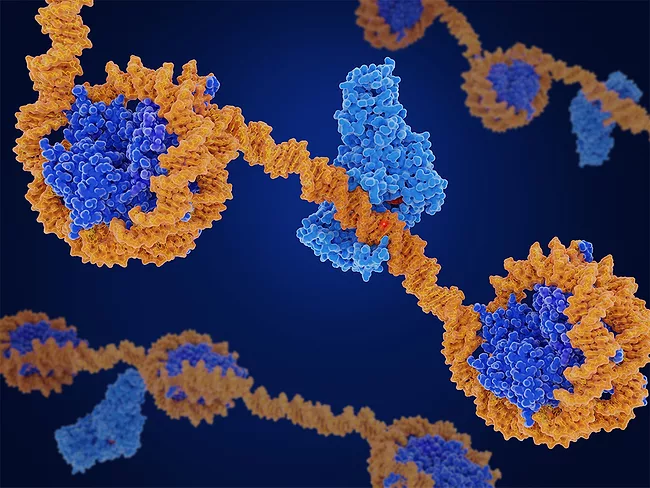
Experimental drugs that directly inhibit the NSD2 enzyme have shown potential as an effective strategy against hard-to-treat cancers, such as lung and pancreatic tumors driven by KRAS mutations. The therapeutic mechanism involves reversing a histone H3 methylation that promotes open chromatin and the expression of oncogenes.
Zhejiang University has synthesized isoquinoline derivatives reported to be useful for the treatment of cancer, infections, autoimmune disease, and cardiovascular, cerebrovascular and Inflammatory disorders.
Experimental drugs that directly inhibit the NSD2 enzyme have shown potential as an effective strategy against hard-to-treat cancers, such as lung and pancreatic tumors driven by KRAS mutations. The therapeutic mechanism involves reversing a histone H3 methylation that promotes open chromatin and the expression of oncogenes.
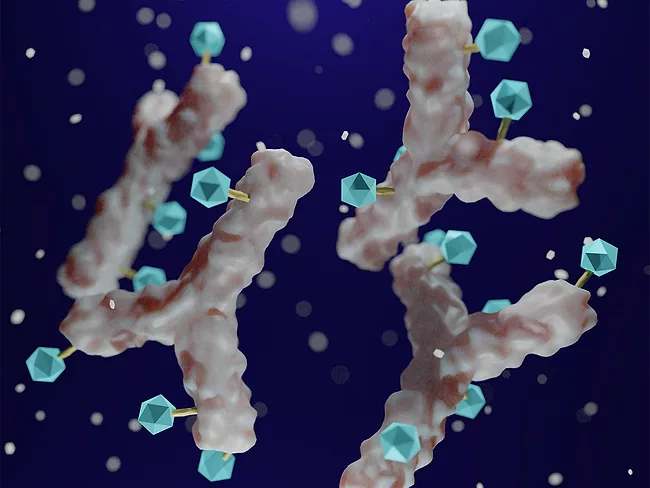
Cadherin 17 (CDH17), a member of the cadherin family protein involved in intestinal development and cell adhesion, is recognized as a potential therapeutic target in gastrointestinal (GI) cancers. Its tumor-specific overexpression and limited presence in normal tissues offer a favorable profile for the development of selective, targeted treatments.
Amplia Therapeutics Ltd. is raising AU$27.5 million (US$18.12 million) to advance lead compound narmafotinib (AMP-945), a focal adhesion kinase (FAK) inhibitor, into new indications beyond pancreatic cancer.
Amplia Therapeutics Ltd. is raising AU$27.5 million (US$18.12 million) to advance lead compound narmafotinib (AMP-945), a focal adhesion kinase (FAK) inhibitor, into new indications beyond pancreatic cancer.
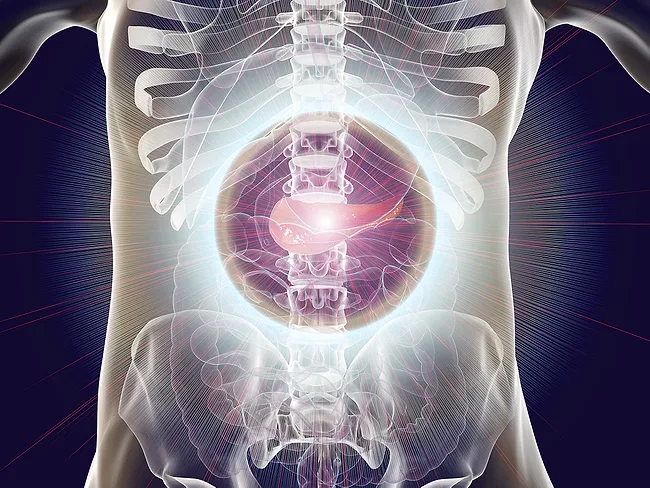
Pancreatic ductal adenocarcinoma (PDAC) is the most prevalent form of pancreatic cancer and presents a 5-year survival rate of less than 10%. Novel therapies focusing on targeting the tumor microenvironment and dysregulated molecular signaling pathways are emerging as potential options for intervention.
Pancreatic ductal adenocarcinoma (PDAC) is one of the most lethal malignancies, primarily due to its dense, desmoplastic and immunosuppressive tumor microenvironment (TME) that hinders the efficacy of immune checkpoint inhibitors such as anti-programmed cell death 1 (PD-1).
Mayo Foundation for Medical Education and Research (MFMER) has described glycogen synthase kinase 3 (GSK-3) inhibitors reported to be useful for the treatment of cancer, neurological and psychiatric disorders.
Pancreatic ductal adenocarcinoma (PDAC) remains one of the most aggressive and treatment-resistant cancers, with limited therapeutic options and poor survival rates. The development of targeted therapies that disrupt multiple signaling pathways simultaneously could offer new opportunities to improve outcomes in this disease.