And another firm has reached a most-favored nation (MFN) pricing deal with the White House. Johnson & Johnson announced Jan. 8 a voluntary agreement with the Trump administration aimed at improving access and lowering prices for medications in the U.S., in exchange for exempting the pharma firm’s products from tariffs.
In a threshold event in the U.S., Medicare is planning to break through its obesity coverage barrier with a voluntary test of a model designed to enable Medicare Part D plans and state Medicaid programs to cover GLP-1 drugs prescribed for weight management.
Then there were three. With the administration’s Dec. 19 announcement of most-favored-nation (MFN) pricing deals with nine more biopharmas, only three of the 17 companies on the receiving end of U.S. President Donald Trump’s July 31 MFN ultimatum have yet to finalize terms with the White House – Abbvie Inc., Johnson & Johnson (J&J) and Regeneron Pharmaceuticals Inc.
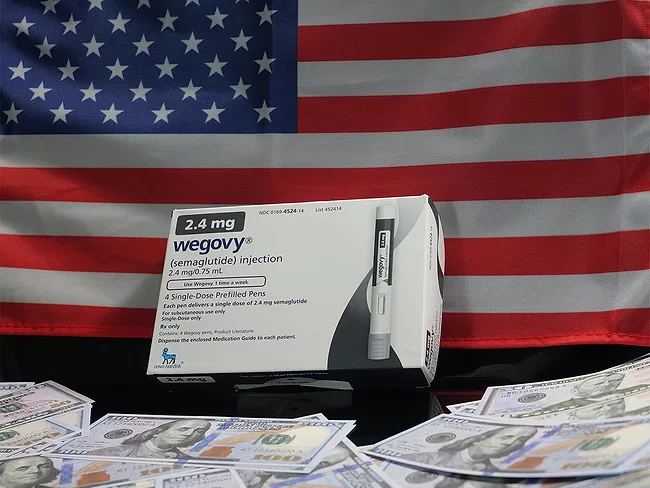
Hailing it as a win-win and a historic step forward in fighting chronic disease, the Trump administration announced pricing agreements Nov. 6 with Eli Lilly and Co. and Novo Nordisk A/S that will expand the availability of the companies’ weight loss drugs by cutting prices and, for the first time, providing coverage for the drugs in obesity through Medicare and Medicaid.
Government and market demands on companies and their pricing strategies have shifted dramatically in the past 10 years and the pricing landscape continues to change, creating uncertain ground beneath developers’ feet. At the BioFuture conference in New York, a panel discussed how big and small companies go about their pricing strategies and build educated guesses into how that strategy might work out in the market.
Pfizer Inc. has become the first drugmaker to agree to provide its products at most-favored nation (MFN) pricing, an effort aimed at lowering the costs of U.S. drug prices by bringing them in line with the prices paid in other developed nations.
Doing his version of the Texas Two-Step, Texas Attorney General (AG) Ken Paxton is again shuffling Eli Lilly and Co. into a state courtroom – this time for allegedly overstepping the anti-kickback line.
A total of 33 states, plus the District of Columbia and Puerto Rico, agreed to participate in the U.S. CMS’ voluntary, outcomes-based program aimed at helping state Medicaid programs cover high-priced cell and gene therapies, starting with therapies for sickle cell disease.
A late 2024 CMS proposal to include obesity drugs like Novo Nordisk A/S’ Wegovy (semaglutide) and Eli Lilly and Co.’s Zepbound (tirzepatide) under Medicaid and Medicare didn’t make it far under the new U.S. administration. A final rule, set to be published in the Federal Register April 15, will not include the provision that would have added obesity drugs to Part D coverage beginning in 2026.
When U.S. CMS Administrator Chiquita Brooks-LaSure announced Nov. 26 that the agency is “reinterpreting” the law in proposing a rule allowing Medicare and Medicaid to cover obesity drugs beginning in 2026, she called it a “historic step.” The rule, if finalized, could make obesity drugs like Novo Nordisk A/S’ Wegovy (semaglutide) and Eli Lilly and Co.’s Zepbound (tirzepatide) available to millions more Americans and further invigorate development of other obesity drugs. But given the lateness of the day in the Biden administration, the proposal may be more symbolic than historic.