Bristol Myers Squibb Co.’s Breyanzi (lisocabtagene maraleucel) CAR T-cell therapy has passed muster with European regulators as a therapy for relapsed or refractory large B-cell lymphoma, setting up a likely European marketing authorization in the coming weeks.
Cancer therapy developer Immpact Bio USA Inc. has raised $111 million to further its "logic gate"-based CAR T-cell platform, the source of a CD19/CD20 bispecific in phase I testing for B-cell non-Hodgkin lymphoma patients whose disease has returned or who has stopped responding to treatment. New data from that study, showing complete remissions in seven of eight patients treated, accompanied the appointment of a new president and CEO for the company as well as a new board chair.
Century Therapeutics Inc.’s $3.25 billion deal with Bristol Myers Squibb Co. (BMS) was the largest of four billion-dollar-plus agreements announced Dec. 10, piggybacking on a busy week that includes the start of the 40th annual J.P. Morgan Healthcare Conference.
There was no slowing of biopharma innovation in 2021, even as industry directed significant resources to, while feeling the impact of, the ongoing COVID-19 pandemic. The year saw big wins for developers of DNA vaccines and biosimilars, while CAR T expanded its reach and a drug target once considered undruggable was finally conquered. And as 2021 gives way to 2022, other potentially game-changing technologies and therapeutics are waiting in the wings.
After a shaky start to the year, Autolus Therapeutics plc has revived its fortunes, with Blackstone Life Sciences investing up to $250 million to fund its CAR T-cell technology and lead product targeting acute lymphoblastic leukemia.
An international study led by U.S. oncologists at Children's Hospital of Philadelphia has successfully used a new antibody discovery platform developed by Myrio Therapeutics of Melbourne, Australia, to help identify and target key drivers of neuroblastoma in mouse models, the authors reported in the November 3, 2021, issue of Nature.
There’s a whole group of biotechs trying to create a tougher next-generation CAR T-cell therapy that could have a powerful effect on solid tumors after the technology’s first successes in blood cancer. One of those is London-based Leucid Bio Ltd., which has just raised £11.5 million (nearly US$16 million) in series A financing to develop next-generation CAR T therapies that are able to make it through to solid tumors and attack them.
Allogene Therapeutics Inc. officials took many questions but had few answers during a conference call regarding the FDA’s clinical hold after the report of a chromosomal abnormality in ALLO-501A CAR T cells in a patient treated in the phase I/II Alpha2 study.
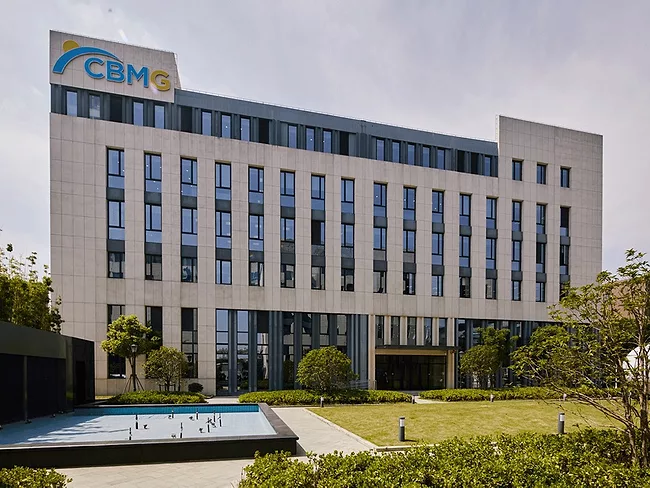
Cell therapy developer Cellular Biomedicine Group Inc. (CBMG) completed a $120 million series A financing, its first since becoming a private company. The funds will benefit the U.S. and China-based firm’s CAR T pipeline.
Cell therapy developer Cellular Biomedicine Group Inc. (CBMG) completed a $120 million series A financing, its first since becoming a private company. The funds will benefit the U.S. and China-based firm’s CAR T pipeline, and the round was jointly led by Astrazeneca-CICC Fund, Sequoia Capital China and Yunfeng Capital. Existing investors including GIC Private Ltd. (formerly Government of Singapore Investment Corp.) and TF Capital also took part.