Surviving apoptosis after administration of a drug triggered a previously unknown evolutionary process that gave tumor cells greater resistance to subsequent therapies. A cancer cell that does not die gets stronger. Cancer reappears with those cells that escape death thanks to a mechanism that, at the same time, offers a potential therapeutic target. According to a study led by St. Jude Children's Research Hospital in collaboration with the University of Glasgow and University of Oxford, the alternative to the cell death program is a stress response pathway that generates a persister cell phenotype not described before.
By combining an activator of the pro-apoptotic protein Bax with an inhibitor of the anti-apoptotic protein BCL-XL, researchers at Albert Einstein College of Medicine have been able to overcome resistance to apoptosis in both a wide range of cell lines and animal studies. The team reported its findings in the March 7, 2022, issue of Nature Communications.
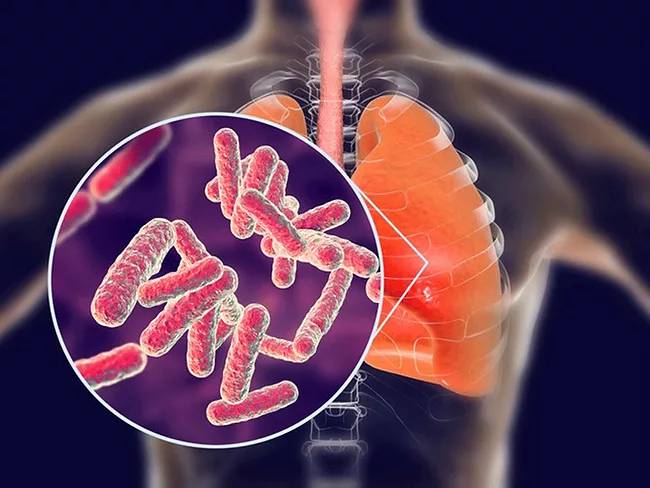
Macrophage and neutrophil apoptotic cell death have been demonstrated to confer resistance to severe tuberculosis (TB) infection in preclinical mouse models of the disease, according to an Australian study reported in the July 12, 2021, edition of Immunology.
Australian researchers have developed the first potent new small-molecule inhibitors capable of blocking the activation of apoptotic cell death before it causes damage to mitochondria, they reported in a study published in the Oct. 7, 2019, issue of Nature Chemical Biology. Those first-in-class inhibitors will be useful tools for evaluating the mechanisms underlying apoptosis, assessing the impact of the pharmacological blockade of apoptosis in experimental models and potentially have multiple clinical indications.
Australian researchers have developed the first potent new small-molecule inhibitors capable of blocking the activation of apoptotic cell death before it causes damage to mitochondria, they reported in a study published in the Oct. 7, 2019, issue of Nature Chemical Biology.