Trogenix Ltd. has completed its series A financing, raising £70 million ($95 million) to support progression into the clinic of its pipeline of potentially curative cancer therapies across multiple aggressive solid tumors.
When used as monotherapy against tumors, small molecules that mimic the SMAC protein and thereby inhibit apoptosis are ineffective. The same is true for inhibitors of BET family proteins. If each therapy on its own does not work, what about the two therapies together?
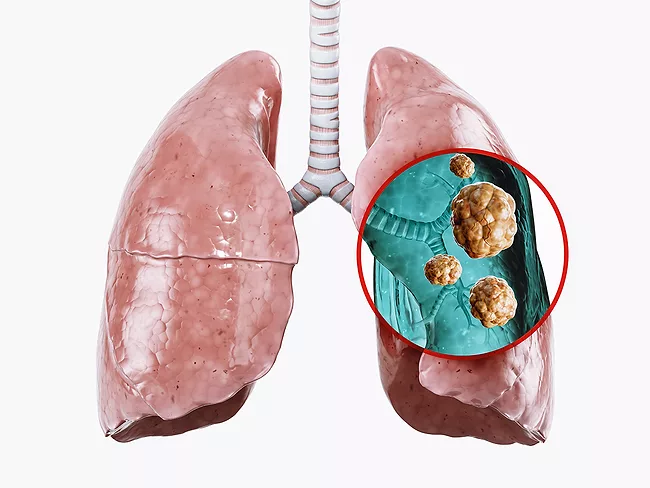
Non-small-cell lung cancer (NSCLC) accounts for up to 85% of all cases of lung cancer, which is the most frequent cause of cancer-related deaths worldwide. The need for effective treatments against NSCLC is urgent, and one promising target is pyruvate kinase M2, which plays metabolic and nonmetabolic roles in the cell. This enzyme has been implicated in various cancers beyond NSCLC, including pancreatic, gastric and breast cancers.
China Resources Pharmaceutical Research Institute (Shenzhen) Co. Ltd. has synthesized tricyclic heterocyclic compounds acting as protein arginine N-methyltransferase 5 (PRMT5) inhibitors reported to be useful for the treatment of cancer.
Iambic Therapeutics Inc. presented preclinical data on IAM-1363, a selective and irreversible HER2 and pan-HER2 mutant inhibitor in HER2-driven NSCLC models. In vitro studies across a panel of HER2-altered NSCLC cell lines demonstrated that IAM-1363 exhibits potent antiproliferative activity in both HER2-amplified and HER2-mutant models.
Results from the global phase III Harmoni trial presented at the International Association for the Study of Lung Cancer 2025 World Conference on Lung Cancer (WCLC) showed a statistically significant increase in progression-free survival after treatment with ivonescimab plus chemotherapy compared to chemotherapy alone, but failed to show a statistically significant benefit in overall survival (OS).
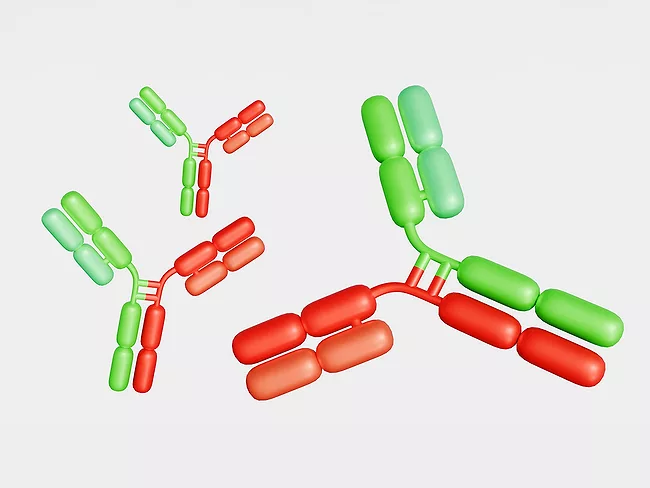
Summit Therapeutics Inc.’s presentation for bispecific antibody ivonescimab in non-small-cell lung cancer could draw some extra attention at next month’s World Conference on Lung Cancer meeting thanks to promising overall survival data from partner Akeso Pharmaceuticals Inc.’s China study of the PD-1/VEGF candidate.
Hypoxia is a common event in the microenvironment of solid tumors, triggering some changes in gene expression profiles to adapt to low-oxygen levels. Increasing evidence exists regarding hypoxia and mitochondrial dysfunction to play a role in the progression of non-small-cell lung cancer (NSCLC).
Genfleet Therapeutics Co. Ltd. has presented preclinical data on their KRAS G12C inhibitor fulzerasib, also known as GFH-925, the third approved KRAS G12C inhibitor for treating non-small-cell lung cancer (NSCLC).