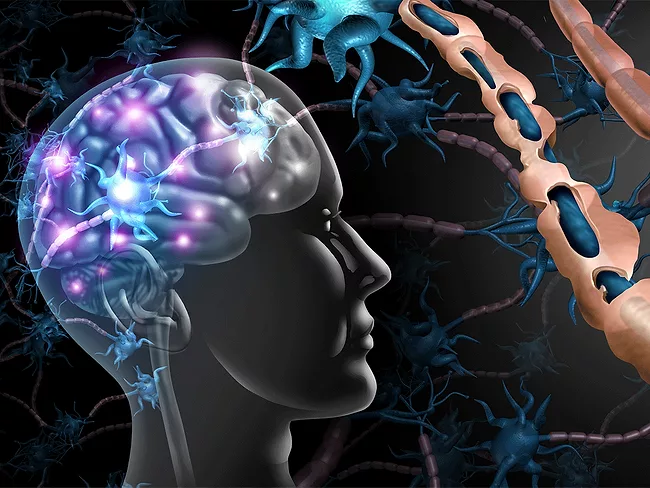
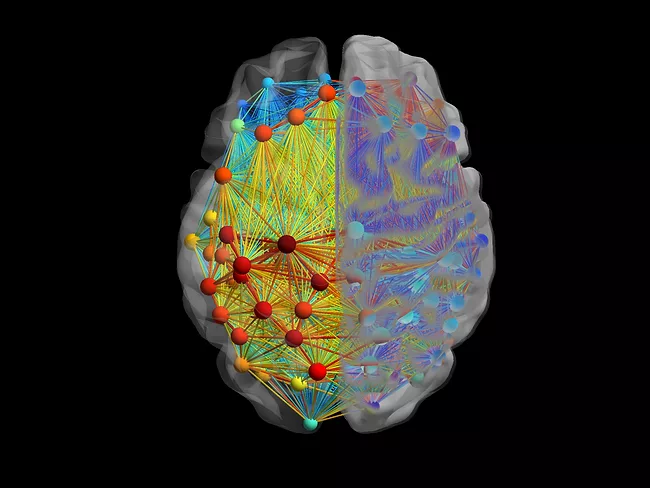
Updated MRI results from Clene Inc.’s phase II Visionary-MS trial testing gold nanocrystal therapy CNM-Au8 bolsters the company’s premise that targeting energy metabolism could protect neuronal function in patients with multiple sclerosis and lays the groundwork for a phase III trial as soon as a strategic partner is found.
A phase IIb clinical study has Frequency Therapeutics Inc. reeling and making big changes, including layoffs. The placebo-controlled phase IIb study of FX-322 in treating acquired sensorineural hearing loss by regenerating hair cells in the cochlea missed its primary efficacy endpoint, so the company is discontinuing the program. It’s also shutting down a phase Ib study of FX-345, a program for treating the same indication.
FSD Pharma Inc. has received a no objection letter (NOL) from Health Canada granting regulatory approval to commence a phase I trial of LUCID-21-302 (Lucid-MS), a novel drug candidate for the treatment of multiple sclerosis (MS).
The interleukin-2 receptor subunit γ (IL-2RG), also known as γc cytokine receptor or CD132, family of cytokines includes interleukin-2 (IL-2), IL-4, IL-7, IL-9, IL-15 and IL-21. These γc cytokines exert broad pleiotropic effects on the innate and adaptive immune system, and they all share the IL-2RG chain as part of its signaling receptor complex. Researchers from Regeneron Pharmaceuticals Inc. aimed to assess whether targeting γc cytokines may serve as a strategy for the prevention and treatment of T-cell-mediated disease.
Lapix Therapeutics Inc. has announced the successful outcome of its pre-IND meeting request with the FDA to achieve alignment on the company's IND-enabling plan for LPX-TI641, being developed for neuro-autoimmune indications such as multiple sclerosis (MS), neuromyelitis optica spectrum disorders (NMOSD), and myelin oligodendrocyte glycoprotein antibody disease (MOGAD).
Celgene Corp. has disclosed sphingosine 1-phosphate receptor 5 (S1PR5; EDG8) modulators reported to be useful for the treatment of Alzheimer's disease and multiple sclerosis.
Despite pipeline setbacks in 2022, TG Therapeutics Inc. ended the year on a positive note, with U.S. FDA approval of its glycoengineered CD20 monoclonal antibody, ublituximab, in relapsing multiple sclerosis (MS). Branded Briumvi, the drug is set to go up against approved anti-CD20 antibodies Kesimpta (ofatumumab, Novartis AG) and Ocrevus (ocrelizumab, Roche Holding AG).
2021 was the year Aduhelm (aducanumab, Biogen Inc.) was approved as the first amyloid-β-busting drug for Alzheimer’s disease. And in 2022, there was as much need for an effective AD drug as ever. Aduhelm’s commercial fate was sealed with the decision of the Center for Medicare & Medicaid Services (CMS) that the drug would only be reimbursed in clinical trials approved by the CMS or the NIH.
Abata Therapeutics Inc. has selected its first development candidate, ABA-101, an autologous regulatory T cell (Treg) therapy for the treatment of progressive multiple sclerosis (MS). ABA-101 targets MS patients with nonrelapsing progressive disease who have a DRB1*15:01 genetic haplotype and for whom imaging evidence of ongoing inflammatory tissue injury has been observed.
Vigil Neuroscience Inc. has synthesized triggering receptor expressed on myeloid cells 2 (TREM2) agonists reported to be useful for the treatment of frontotemporal dementia, multiple sclerosis, rheumatoid arthritis, stroke, prion infections, Parkinson's, Alzheimer's and Nasu-Hakola diseases.