PARIS – Pcube-Lab BV has closed a $4.75 million funding round to deploy its eye tracking technology, Neuroclues, in Europe and the U.S. This technique helps with early diagnosis of neurological disorders such as Parkinson's, multiple sclerosis and Alzheimer's disease.
Biogen Inc. opened the 37th Congress of the European Committee for Treatment and Research in Multiple Sclerosis (ECTRIMS) virtual meeting with data showing those treated with its multiple sclerosis (MS) therapies had an effective antibody response to COVID-19 vaccination.
Biopharma companies that have agreed to pay the U.S. Department of Justice millions of dollars to resolve allegations that they illegally used charities to cover patients’ Medicare copays for brand drugs are finding those settlements may be just the beginning of their legal woes, even when the companies admit no liability in the settlement.
Rune Labs Inc. is on a mission to make the mysteries of the brain easier to read for both clinicians and biopharma companies. Having a fresh $22.8 million in a series A financing on the books will no doubt make the goal easier to reach.
Rune Labs Inc. is on a mission to make the mysteries of the brain easier to read for both clinicians and biopharma companies. Having a fresh $22.8 million in a series A financing on the books will no doubt make the goal easier to reach. The new round pushed total funding for development of the San Francisco-based company’s brain data software platform to $30.1 million.
Startup company Medial Earlysign Ltd. and Roche Diagnostics International Ltd. are teaming up to bring to market artificial intelligence (AI) solutions for early detection of cancer. Founded in 2013, Tel Aviv-based Medial Earlysign uses machine learning tools to flag patients with a high probability of developing specific illnesses. The partnership with Roche will initially focus on gastric cancer.
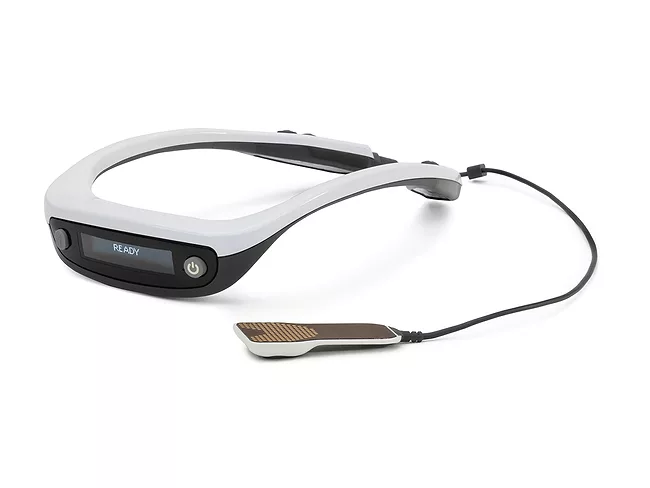
Helius Medical Technologies Inc. has received an FDA breakthrough device designation for its Portable Neuromodulation Stimulator (Pons) device for temporary treatment of dynamic gait and balance deficits due to stroke.
Immunologists at Sun Yat-sen University in Guangzhou, China, have been the first to show that interferon-induced protein 35 family proteins promote neuroinflammation and multiple sclerosis (MS), as they reported in the August 2, 2021, edition of Proceedings of the National Academy of Sciences.
In a deal that could be worth up to $937.5 million, Biogen Inc. licensed rights to phase II-stage, brain-penetrant BTK inhibitor orelabrutinib from Innocare Pharma Ltd. for the treatment of multiple sclerosis (MS) and autoimmune diseases. It’s the first mega out-licensing deal for the Chinese firm, which will receive $125 million up front and is eligible to receive up to $812.5 million in potential development milestones and commercial payments, plus tiered royalties in the low to high teens on potential future net sales.
LONDON – Neuvasq Biotechnologies has launched with a €20 million (US$23.7 million) series A to take forward a new approach to treating neurological disorders by reversing age- or injury-related damage to the blood-brain barrier.