As companies continually search for next-generation obesity prospects, one of the leaders in the disease space, Novo Nordisk A/S, has obtained an exclusive license to a preclinical-stage, first-in-class, small-molecule inhibitor of Acyl-CoA synthetase 5 (ACSL5) developed by Lexicon Pharmaceuticals Inc.
Palatin Technologies Inc. has obtained U.S. orphan drug designation for PL-7737 for leptin receptor (LEPR) deficiency, including obesity caused by this condition.
The obesity market is driving pharma’s return on investment (ROI) upward, with the projected return rising to 5.9% overall in 2024, but only reaching 3.8% if GLP-1 assets are excluded. At the same time, the average cost of developing a drug continues to rise and now stands at $2.23 billion, compared to $2.12 billion in 2023, according to Deloitte’s 15th annual analysis of the ROI from pharmaceutical innovation.
Ampersand Biomedicines Inc. has secured $65 million in series B funding from investors including Ampersand’s founder, Flagship Pioneering, to support advancement of two lead programs and a new discovery partnership in obesity.
Opko Health Inc. and Entera Bio Ltd. have entered into a collaboration and license agreement to advance an oral dual agonist GLP-1/glucagon peptide as a once-daily tablet into the clinic for patients with obesity, metabolic and fibrotic disorders.
Harbour Biomed Ltd. has announced the launch of Élancé Therapeutics with an aim to improve the treatment of obesity. Élancé seeks to address challenges in obesity treatment, by increasing overall body weight loss and fat mass loss, while preserving and even increasing muscle and lean mass.
Previous research has demonstrated that activin receptor-like kinase 7 (ALK7) signaling suppresses lipolysis, resulting in increased adipocyte size and lipid content. Additionally, predicted loss of function variants in the ALK7 gene (ACVR1C) have been associated with reduced waist-to-hip ratio (WHR) adjusted for body mass index, protection from type 2 diabetes, as well as reduced risk of cardiovascular disease.
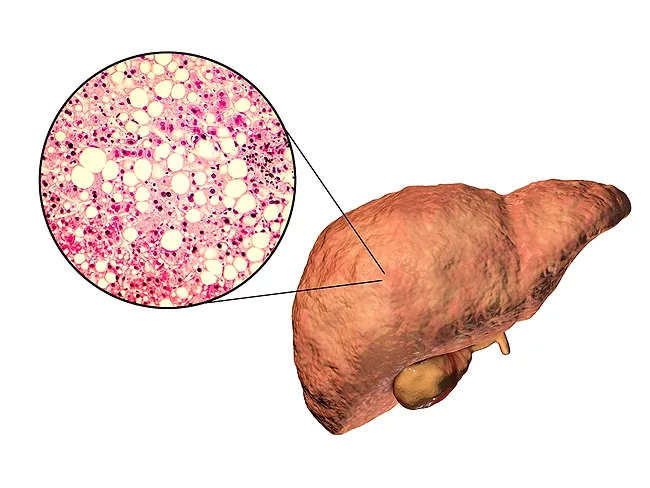
CSPC Zhongnuo Pharmaceutical (Shijiazhuang) Co. Ltd. has described glucagon-like peptide 1 receptor (GLP-1R) agonists reported to be useful for the treatment of diabetes, obesity, Alzheimer’s disease, overweight and nonalcoholic or metabolic dysfunction-associated steatohepatitis (NASH/MASH).
Junevity Inc. has raised $10 million in seed funding to support its work creating silencing RNA (siRNA) therapeutics to address metabolic and age-related diseases, including type 2 diabetes, obesity and frailty. The seed funding will be used to enhance the company’s RESET platform and develop its first therapeutic candidates in these indications.
Hypoxia-inducible factors (HIFs) are crucial to maintain oxygen homeostasis by regulating cellular metabolic adaptation under hypoxia conditions. Depletion of factor inhibiting HIF (FIH), an enzyme that negatively regulates the activity of the HIF-1α isoform, has been associated with reductions in hepatic steatosis and body mass in mice.