The U.S. FDA’s Center for Biologics Evaluation and Research posted four warning letters to makers of HIV sample collection kits, an example of a shift in FDA enforcement in the IVD space that is still allowed after a historical loss in court.
The U.S. FDA’s Aug. 11, 2025, warning letter to LeMaitre Vascular Inc. discloses that the agency was troubled by what it saw as problems with sterility-related processes used to manufacture the Artegraft device, findings that could complicate relations between the company and its customers.
The FDA’s warning letter to Whoop Inc. resurrects questions about the agency’s observance of the 21st Century Cures Act in that the warning letter stakes out the position that any reading of blood pressure is “inherently associated” with hypertension.
The U.S. FDA issued general correspondence letters to two device testing labs located in China. This is the latest in a series of moves by the agency to crack down on falsified or otherwise invalid device testing data.
Companies new to the world of U.S. FDA regulation are often unaware of how detailed the agency’s inspections are, which might be the case with the October-November 2024 inspection of Noah Medical Inc.
The U.S. FDA’s April 4, 2025, warning letter to ICU Medical Inc. cited the company for failure to file a new 510(k) for changes to software used in an infusion pump, but those changes may have been driven by problems with the pumps the company acquired when it picked up Smiths Medical in 2022. The FDA also issued a warning letter to Epicare Acquisitions LLC related to its Zenith family of laser hair removal systems.
Some say it’s not what you say but how you say it, but the U.S. FDA’s Feb. 10, 2025, warning letter to Denver-based Exer Labs Inc., makes clear that a 510(k)-exempt device can’t be altered and promoted for claims that are disallowed under the regulation.
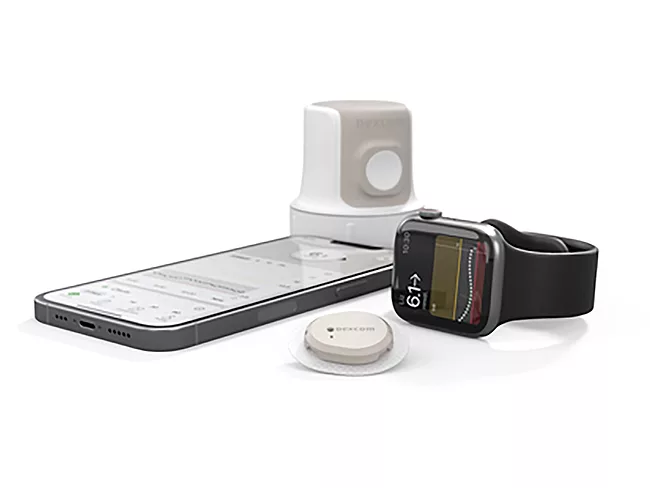
The U.S. FDA’s March 4, 2025, warning letter to Dexcom Inc. is a well-detailed but heavily redacted document explaining the agency’s misgivings about procedures such as monitoring of acetaminophen content in glucose test dishes.
The U.S. FDA warning letter to Q’Apel Medical Inc., of Fremont, Calif., lists several deviations from the regulation, but the agency said the company’s Hippo device for is misbranded because Q’Apel had failed to file with the agency for changes to the device design.
Three former officials with Magellan Diagnostics Inc., have entered guilty pleas in connection with faulty tests for lead poisoning that were widely used across the U.S. between 2013 and 2017. While former CEO Amy Winslow and two others will not be sentenced until later this year, all three face possible prison terms of three years or more and fines of as much as $250,000, highlighting the hazards of a lack of scruples with regard to compliance with U.S. FDA regulations.