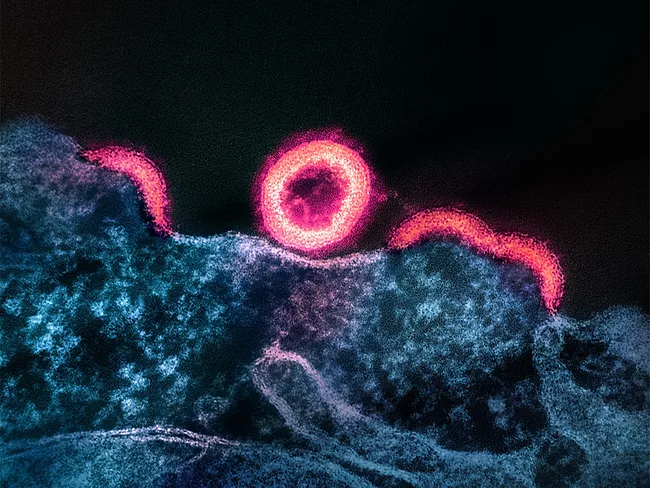
HIV-1 persistence in latent reservoirs of T lymphoid and myeloid origin is a major barrier for the cure of the disease, with complex and multifactorial mechanisms behind HIV-1 latency; thus, investigating these mechanisms is key for future targeted HIV therapies.
Neuroblastoma cells harbor a pattern of chromosomal aberrations that include chromosomes 1p and 11q deletions and 2p and 17q gains, as well as MYCN gene amplification with MYC overexpression. Recent research has identified RuvB-like 1 (RUVBL1) and RUVBL2 to be key mediators of the therapeutic response to a promising strategy such as serine/threonine-protein kinase ATR inhibition.
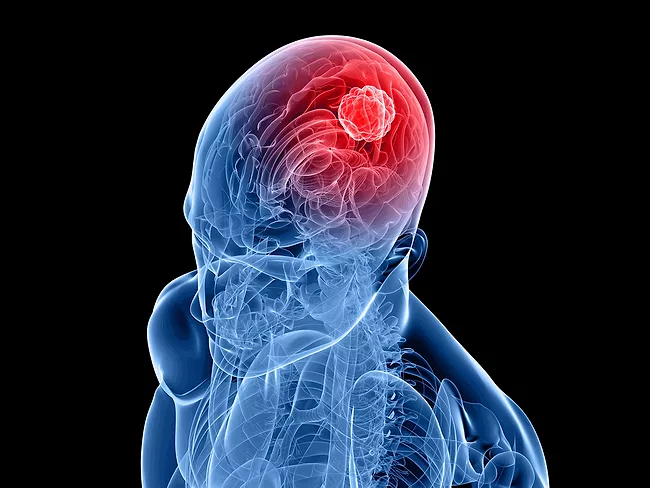
In a recent study published in Molecular Therapy: Oncology, researchers from the City of Hope National Medical Center and Beckman Research Institute (USA) and collaborators aimed to identify differentially expressed genetic pathways in glioblastoma multiforme (GBM) tumor cells after 48 hours of hypoxia treatment by performing RNA sequencing.
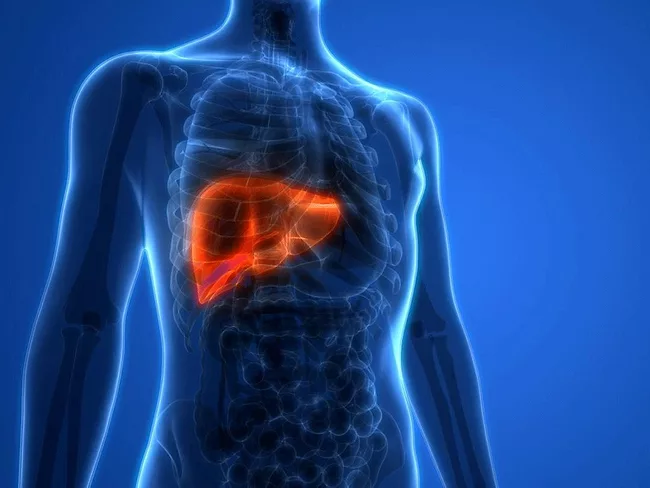
Hepatic ischemia-reperfusion injury (HIRI) is a severe pathologic condition associated with poor outcomes when individuals suffer from hemorrhagic shock, liver resection or transplantation surgery, leading to severe liver impairment and sometimes dysfunction in other organs. Chinese researchers have explored the potential of prolyl 3-hydroxylase OGFOD1 as a target for HIRI management, since it has been reported as a crucial regulator of gene expression, especially for translation.
The potential of G9A as a therapeutic target was investigated in vitro in vascular smooth muscle cells as well as in vivo in a murine model of vascular intimal hyperplasia.
Chronic migraine is a neurological disorder characterized by recurrent headache episodes. Recent findings have implicated microglia in the trigeminal nucleus caudalis in chronic migraine-related central sensitization. Activated microglial cells release inflammatory and neurotrophic factors that interact with the neurons involved in the process.
Although physiological immune responses require increased tissue vasculature, many solid tumors simultaneously activate angiogenesis to meet the increasing demand for oxygen and nutrients while excluding immune cells. The exact molecular mechanisms by which cancer cells control this immune-refractory angiogenic process remain widely unclear.
Current therapies for chronic obstructive pulmonary disease (COPD) alleviate symptoms, but do not deal with disease progression. Respiratory mucus is primarily made up of mucins, of which mucin 5AC (MUC5AC) is the most predominant in COPD. It was hypothesized that mitochondria may control the expression of MUC5AC in COPD airway epithelium by modulating intracellular reactive oxygen species (ROS) levels.
Tau is an intrinsically disordered protein that regulates the stability and dynamics of microtubules in physiological conditions. Recent work has revealed the involvement of tau in various neuronal processes. Researchers from the University of California and collaborators aimed to systematically investigate the cellular factors that control the accumulation of tau aggregates in human neurons.