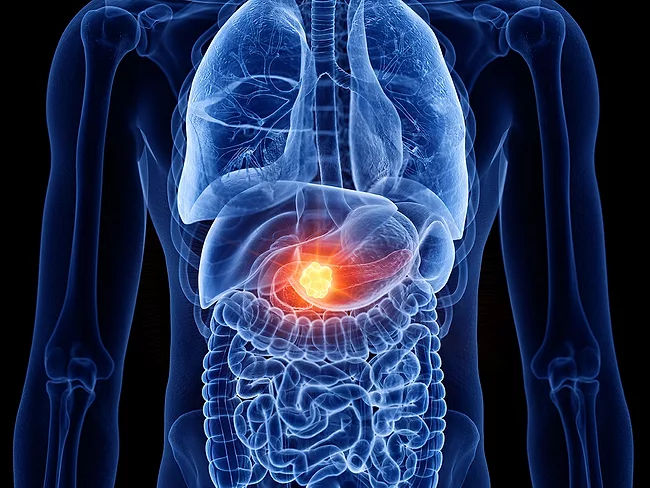
Nagoya University Graduate School of Medicine (Japan) and collaborating institutions aimed to characterize the heterogeneity of myofibroblastic cancer-associated fibroblasts (CAFs) in pancreatic ductal adenocarcinoma using the KPC mouse model.
Using machine learning as an innovative tool for analyzing complex biological systems, researchers integrated bioinformatics with adaptive algorithms and identified dynein light chain LC8-type 2 (DYNLL2) as a key modulator of sepsis progression. Mechanistically speaking, DYNLL2 interacts with p21-activated kinase 1 (PAK1) to regulate bacterial outer membrane vesicle (OMV) internalization and caspase-11 activation.
About 10% of acute hepatitis cases and 50% of acute liver failure are caused by drug induction, where treatment remains largely limited. The SLIT/ROBO signaling axis is composed of the secretory SLIT proteins (SLIT1, SLIT2 and SLIT3) and their corresponding receptor ROBO. This axis is known to be involved in organ development, angiogenesis and leukocyte migration, as well as cancer metastasis, and has shown protective effects against organ damage.
Medulloblastoma is one of the most common pediatric brain malignancies. A deeper understanding of the mechanisms underlying tumor cell fate determination is crucial to develop novel, effective and safe therapeutic strategies. With this aim, researchers from the University of Chinese Academy of Sciences and collaborating institutions recently conducted a study integrating whole-genome bisulfite sequencing and bulk RNA sequencing (RNA-seq) data from 189 human medulloblastoma samples.
Pulmonary fibrosis is a chronic, progressive respiratory disease in which the normal barrier between alveoli and capillaries is compromised, leading to persistent injury and inflammation of the lung epithelium.
Previous studies combining molecular techniques and genetic mouse models revealed the functional roles of several microRNAs and long noncoding RNAs (lncRNAs) in metabolic disorders. In particular, the lnc-megacluster (lncMGC), located on human chromosome 14q32.2 and hosting about 40 miRNAs, plays a role in diabetic kidney disease and pancreatic islet dysfunction. A team at the Beckman Research Institute of City of Hope investigated the regulatory role of lncMGC in obesity and adipose dysfunction.
Previous work showed that histone ‘readers’, which bind to post-translational modifications on histones, may be upregulated in melanoma and thereby upregulate oncogenes. Given that the histone reader ATAD2 is known to be overexpressed in several types of cancer, researchers at the University of Alabama at Birmingham asked whether the same is true in melanoma.
During aging, hematopoietic stem cells (HSCs) undergo functional decline affecting their ability to regenerate the hematopoietic system and support lymphoid cell production. This functional decline contributes to some aging-related diseases. Moreover, aging is associated with biomechanical changes in HSCs, including alterations in nuclear envelope tension and nuclear mechanical integrity and mechanotransduction. However, it remains unclear whether aging of somatic stem cells can be prevented by targeting changes in nuclear mechanosignaling.
Renal fibrosis represents a key driver of the pathology of chronic kidney disease (CKD), marked by fibroblast activation, tubular damage and inflammation. Previous work found that cyclic guanosine monophosphate (cGMP) levels are markedly reduced in experimental models of renal fibrosis, but the reasons for this decline are not fully understood.