Osteoarthritis arises from breakdown of cartilage covering bone joints, which leads to chronic inflammation, and current therapies provide only short-term relief with risk of side effects. In an effort to identify next-generation treatments, researchers at Chang Gung University and Chang Gung Memorial Hospital have identified a potential novel therapeutic target, platelet-derived growth factor receptor-like protein (PDGFRL).
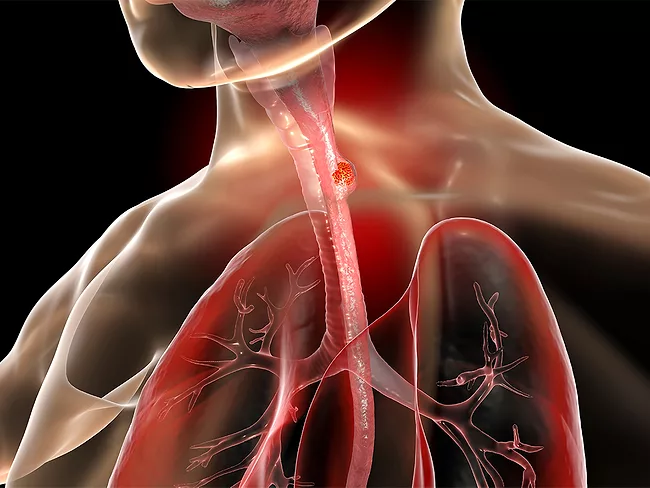
Esophageal carcinoma (EC) is a tumor type of the digestive tract that accounts for about 300,000 deaths worldwide annually, with high aggressiveness and poor prognosis. Chinese researchers have investigated the implication of the enzyme aldehyde dehydrogenase 18 family member A1 (ALDH18A1) in EC.
Lung cancer, which often occurs as lung adenocarcinoma, is the leading cause of cancer-related death worldwide. At least 70% of lung adenocarcinoma patients fail to show long-term benefit from immune checkpoint inhibitors, highlighting the need to identify in advance those more likely to benefit.
Homeobox genes, a conserved family of transcription factors, are key regulators of embryogenesis, cell growth and differentiation, and have been linked to bone mass regulation and osteogenesis. However, their specific roles in postmenopausal osteoporosis and osteoclast development are still not well understood, with limited and fragmented knowledge on which genes are central to these processes.
Glioblastoma, one of the most lethal brain cancers, remains a challenge to treat despite advancements in conventional therapies. Oncolytic virus therapy, which can selectively target and kill tumor cells while stimulating the immune system, has shown promise in clinical trials.
Researchers from McMaster University and Espervita Therapeutics Inc. have identified the enzyme ATP citrate lyase (ACLY) as a key metabolic regulator of tumor-immune interactions in hepatocellular carcinoma (HCC) driven by metabolic dysfunction-associated steatohepatitis (MASH).
Characteristics of the tumor microenvironment are likely to contribute to the aggressiveness of triple-negative breast cancer (TNBC) and the extremely poor prognosis of those who suffer it. By analyzing patterns of gene expression in cancer-associated fibroblasts from TNBC tumors, researchers in China identified the PLAU gene as a driver of aggressive phenotype.
Osteoporosis involves degradation of bone throughout the body, and it already affects nearly a quarter of a billion people in the aging global population.
Intracerebral hemorrhage accounts for 10%-15% of all cases of stroke, and it is associated with particularly poor prognosis due to primary and secondary brain injury driven by neuroinflammation. This inflammation involves the activation and subsequent pyroptosis, or lytic cell death, of microglia.